

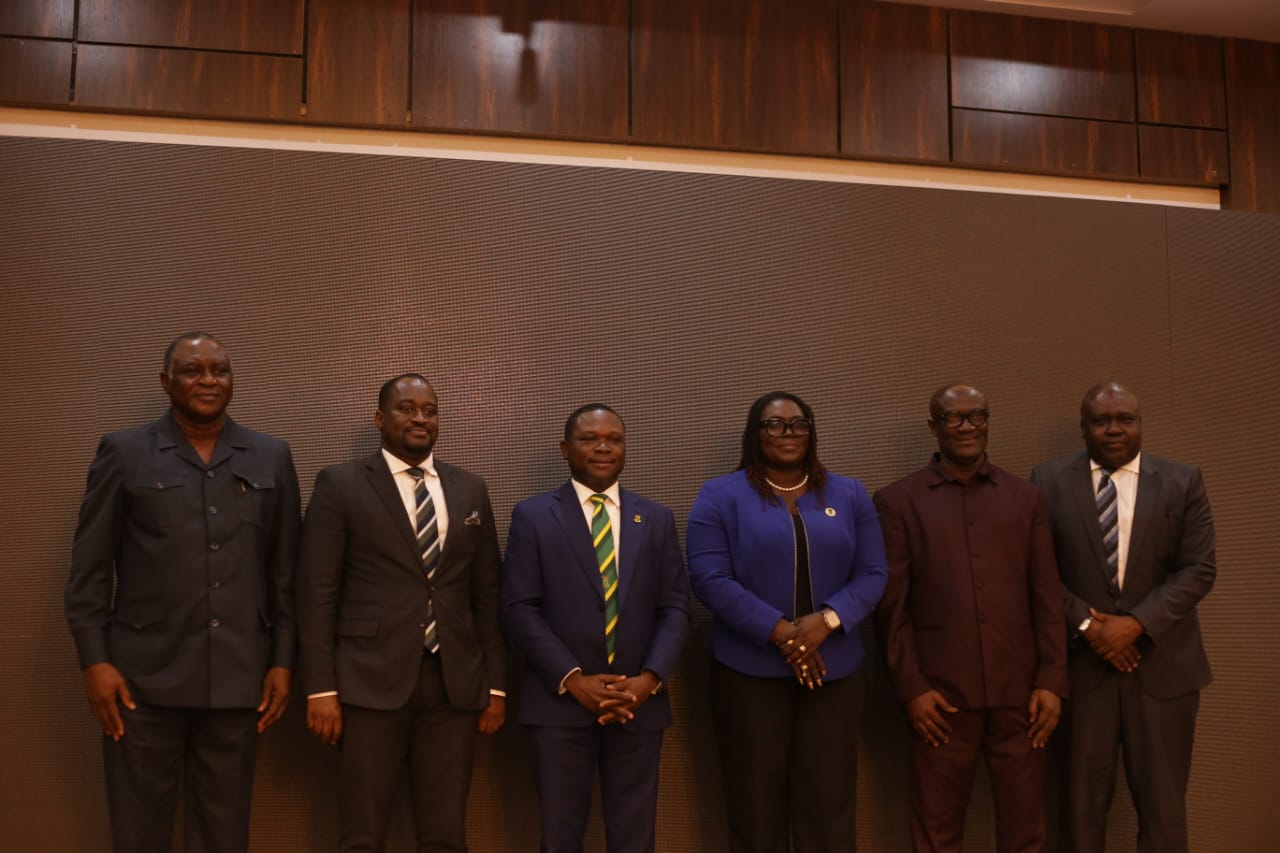
The Chartered Institute of Bankers, Ghana (CIB Ghana), has held the second edition of its Post-Monetary Policy Committee (MPC) Seminar, under the theme “Balancing Stability and Growth: Interest Rates Impact in Geopolitical Shocks.”
The seminar, held at the Institute’s premises, brought together key stakeholders in the financial sector, including bankers, accountants, industry leaders, and students from financial institutions.
Delivering the keynote address, Dr. Philip Abradu-Otoo, Director of Research at the Bank of Ghana, underscored the Institute’s mandate to promote the study of banking and regulate professional practice in Ghana. He noted that the seminar reflects CIB Ghana’s commitment to supporting the financial sector through policy dialogue and knowledge-sharing.
Dr. Abradu-Otoo emphasized that the Institute will continue to collaborate with stakeholders to build competence, uphold professional standards, and strengthen the stability and sustainability of Ghana’s financial system.
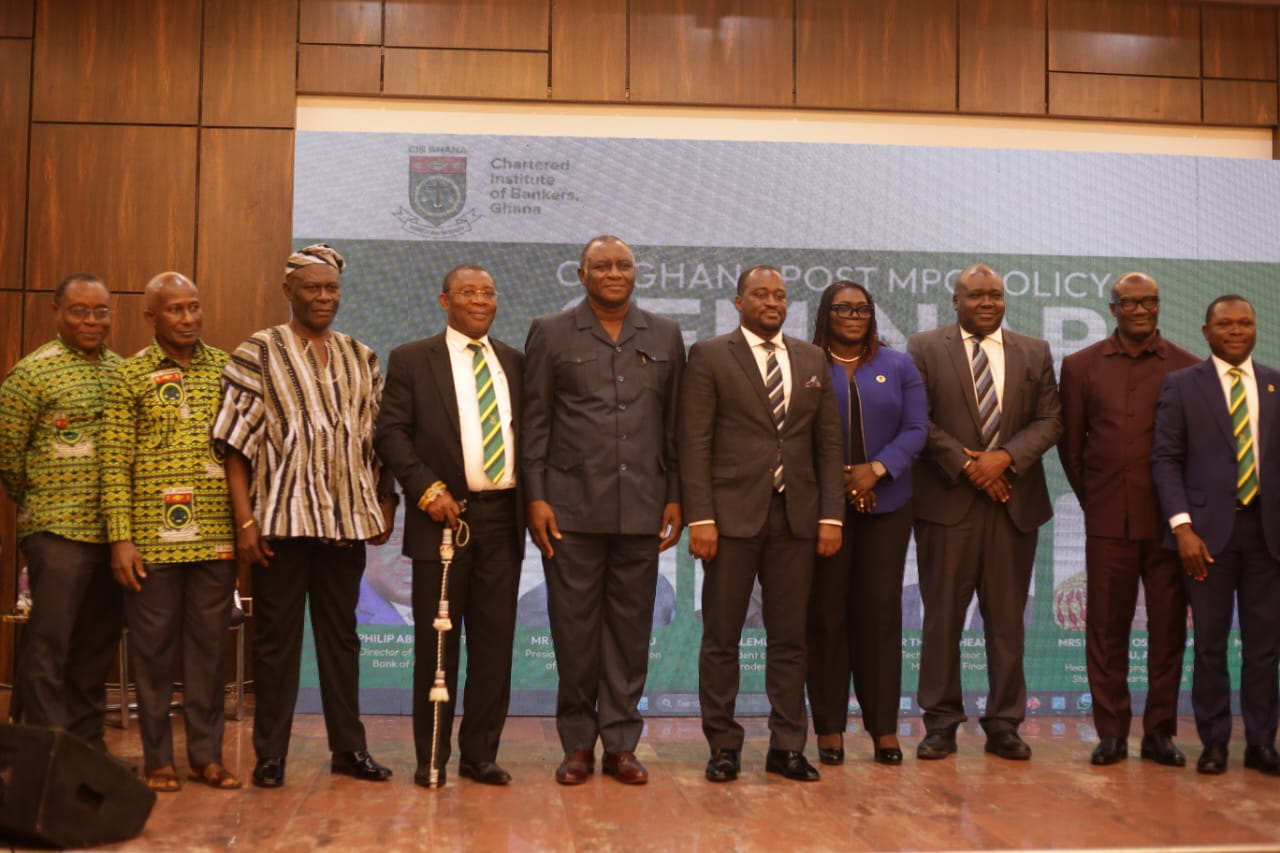
Presenting key findings from a recent CIB Ghana survey, Chief Executive Officer Mr. Robert Dzato revealed that respondents—including heads of treasury, chief executive officers, credit union leaders, and other senior officers—had anticipated a reduction in the policy rate ahead of the Monetary Policy Committee decision on March 18, 2026.
“There was still scope for easing the policy rate,” he noted.
He added that respondents expect the Ghanaian cedi to remain stable over the next three months. According to him, the banking sector also believes there is alignment between the monetary policy rate, interest rates, and the Bank of Ghana’s open market operations.
“The sector expresses confidence in the work of the Monetary Policy Committee in terms of credibility and consistency,” he said.
Mr. Dzato further indicated that 72% of respondents believe Ghana’s macroeconomy will remain stable, although 27% expressed concerns. The data was gathered between September and November last year and extended into this year. He also noted that inflation is around 3.3%, suggesting that monetary policy adjustments should reflect this trend. He added that lending appetite is expected to increase over the next three months.
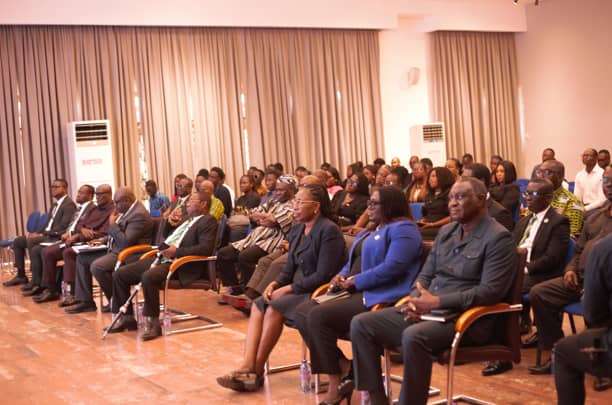
A panel discussion was held to further explore the seminar’s theme, examining the complex relationship between monetary policy, economic growth, and global geopolitical developments.
The panel featured prominent industry figures, including Mr. Dzato; Dr. Abradu-Otoo; Mr. Kofi Nsiah-Poku, President of the Association of Ghana Industries; Mr. Clement Boateng, President of the Ghana Union of Traders Association; Dr. Theo Acheampong, Technical Advisor to the Minister of Finance; and Mrs. Harriet Amoah-Owusu, Head of Emerging Affluent at Standard Chartered Bank Ghana.
Speaking during the discussion, Mr. Clement Boateng noted that a decline in inflation does not necessarily lead to an immediate reduction in the prices of goods and services but rather slows the rate at which prices increase. He urged government to reduce the cost of goods and services, citing concerns over unregulated port duties.
Also contributing, Mr. Eric Dafful called on government to support scale-up efforts within the ECOWAS sub-region. He observed that successive governments often prioritize new initiatives instead of addressing existing economic challenges.
He advised that government focus on solving key economic problems rather than attempting to address all issues simultaneously. He highlighted significant gaps in the agricultural supply chain, including poor road networks that hinder farmers from transporting produce, as well as inadequate storage facilities.
He concluded by urging government to take deliberate and targeted action to resolve critical challenges one step at a time.
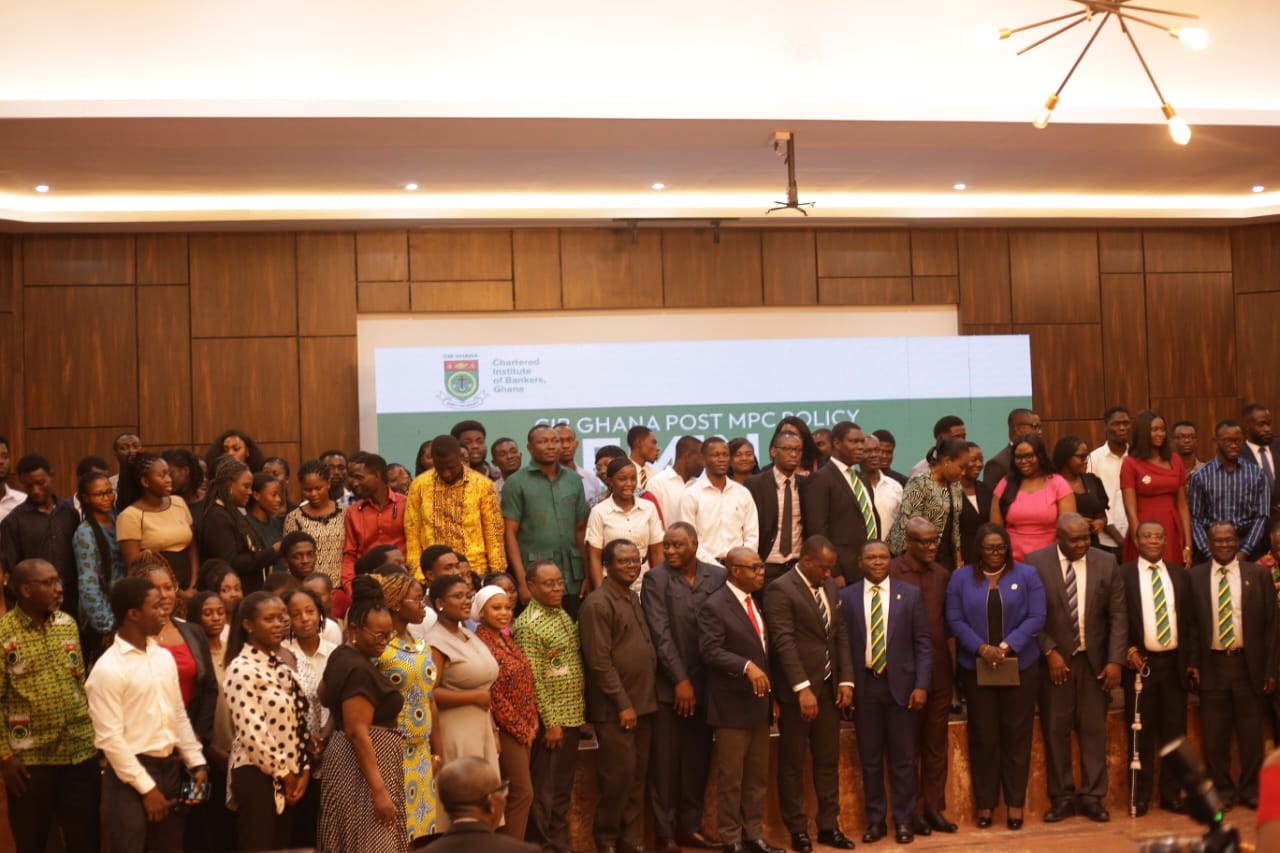
The discussion underscored the need for balanced monetary policies that can sustain economic growth while maintaining financial stability amid ongoing global uncertainties.



![The Future of Non-Profit Funding: Navigating Financial Sustainability in a Shifting Economy [ARTICLE]](https://sikamantimes.com/wp-content/uploads/2026/03/ANPOS-ARTICLE-350x250.jpg)


![The Future of Non-Profit Funding: Navigating Financial Sustainability in a Shifting Economy [ARTICLE]](https://sikamantimes.com/wp-content/uploads/2026/03/ANPOS-ARTICLE-75x75.jpg)
