Presidential Advisor on the government’s 24-Hour Economy, Goosie Tanoh, has clarified that the policy is designed to encourage businesses to expand production voluntarily, not compel them to operate around the clock.
His comments come after President John Dramani Mahama assented to the 24-Hour Economy Authority Bill on February 19 being touted by many as a flagship programme of the ruling administration.
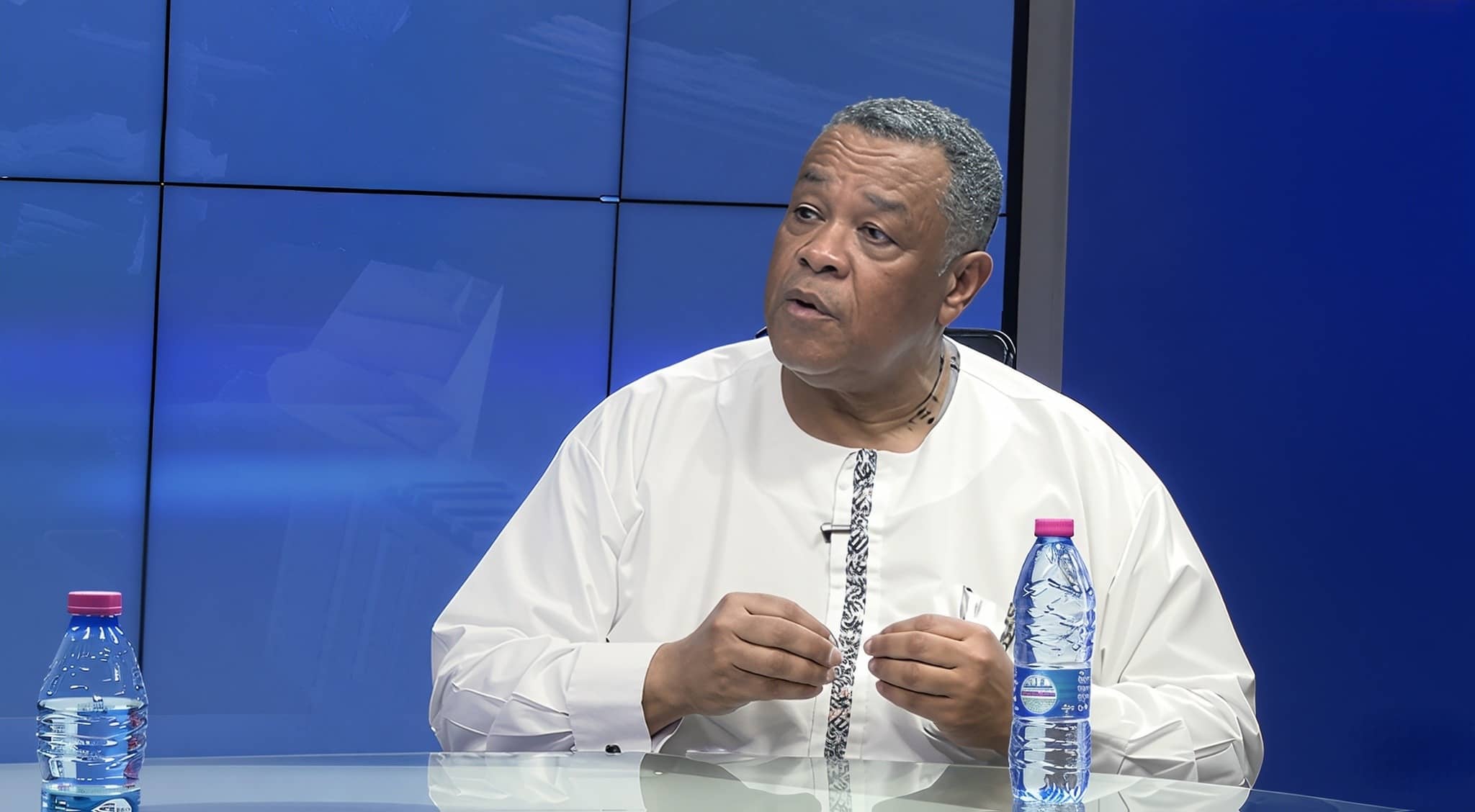
Speaking in an interview with the stated-owned Ghana Broadcasting Corporation on Sunday, Mr Tanoh explained that the government’s strategy is centred on creating favourable economic conditions that make expansion attractive to the private sector.
According to him, the success of the policy will depend on productivity growth, enhanced industrial capacity and a supportive investment climate that enables firms to scale up sustainably.
He stressed that businesses respond to economic logic rather than directives.
“If an economy is operating at full capacity, nobody is going to tell industry to do shifts,” he said. “It is a function of capacity, it is a function of the investment regime and the incentive regime that allows companies to take the decision.”
Mr Tanoh further explained that firms only expand production when it makes financial sense to do so.
“Companies operate on the marginal. If the marginal cost of hiring more people and producing the next unit of output is less than the marginal revenue, they are not going to do it. So you can’t force anybody to do 1-3-3. What you need to do is to create an incentive and the environment that allows them to do that,” he added.
Government officials argue that the initiative will boost productivity, expand exports and generate employment by encouraging industries, logistics providers and service sectors to extend operations beyond traditional working hours.
Mr Tanoh emphasised that the policy is not about coercion but about strengthening the broader incentive regime to stimulate private-sector growth and make expansion a rational business choice.