Waiting for political campaigns to launch before tackling violence is no longer prevention but damage control.
This is according to Ghana’s National Security Coordinator, COP Abdul Osman-Razak, who is calling for an immediate shift towards proactive, early-stage intervention long before the election season heats up.
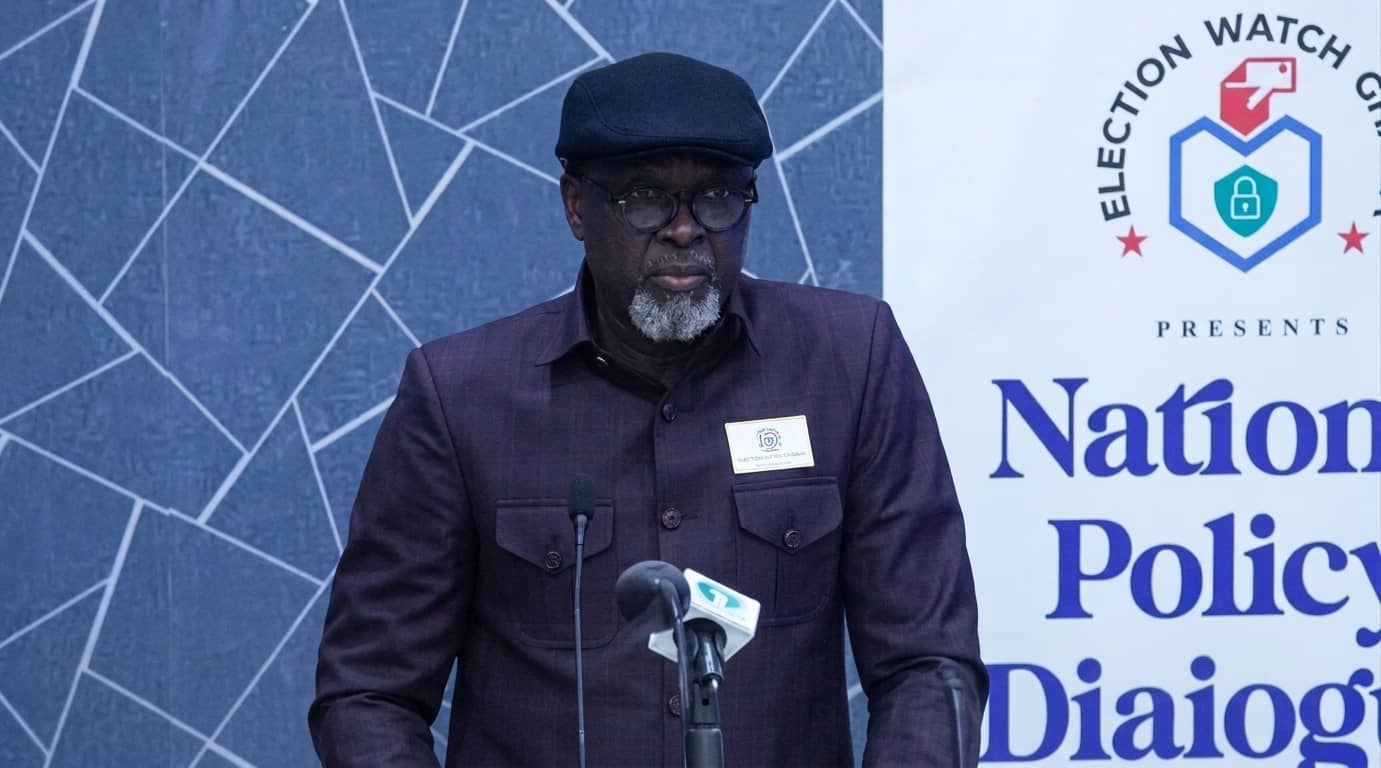
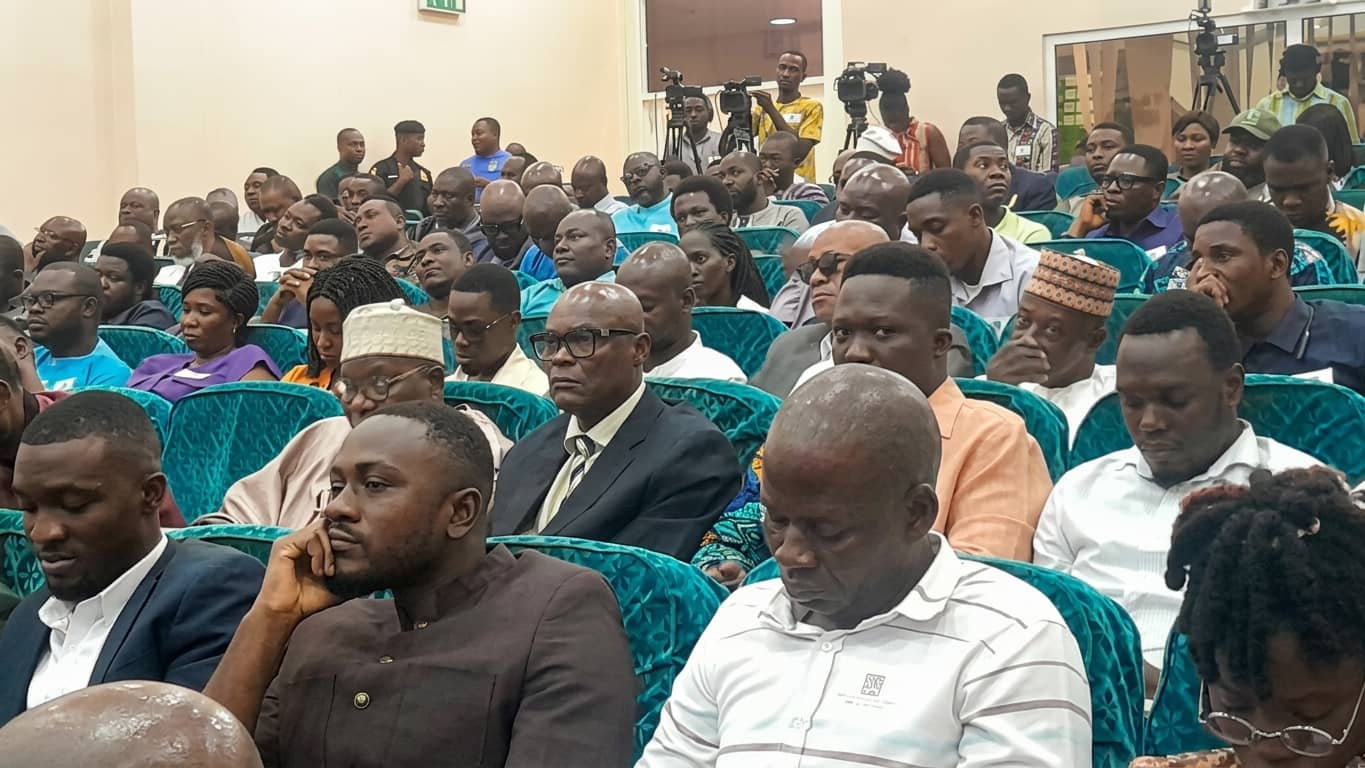
Speaking at a National Policy Dialogue on Tuesday to examine the implementation of the Vigilantism and Related Offences Act, 2019 (Act 999), COP Osman-Razak said measures to address political vigilantism must begin well ahead of elections, with security agencies, political parties, civil society organisations and other stakeholders working together to identify and mitigate emerging risks.
He said preventive measures should include stakeholder engagement 12 to 18 months before elections, while youth engagement and civic education should begin nine to 12 months ahead of voting.
“It is easier to prevent political violence before the main event, that is elections. By the time campaign rallies are underway, in essence, we are managing containment rather than genuine prevention.”
The National Security Coordinator also called for stronger coordination among security agencies, including real-time information sharing, joint operations, common communication channels and coordinated assessments.
He said the success of election security depended on effective collaboration between security institutions and relevant government structures.
COP Osman-Razak further stressed the need for professional and politically neutral enforcement of the Vigilantism and Related Offences Act, 2019 (Act 999), saying investigations and operational decisions must be based on evidence and professional judgment.
He said security personnel involved in investigations and field operations should be protected from informal political interference, while enforcement protocols should be standardised and accountability mechanisms made transparent.
He also urged communities and private security companies to operate within the law, cautioning against allowing informal groups to assume responsibilities reserved for competent security authorities.
For the National Security Coordinator, maintaining Ghana’s democratic stability requires a whole-of-society approach, with security agencies, political parties, religious leaders, the media, civil society and citizens all playing responsible roles.
“Ghana has earned a respected place in the international community as a stable democracy. We must not shrink this position. Not for anything. Not for short-term gains.”