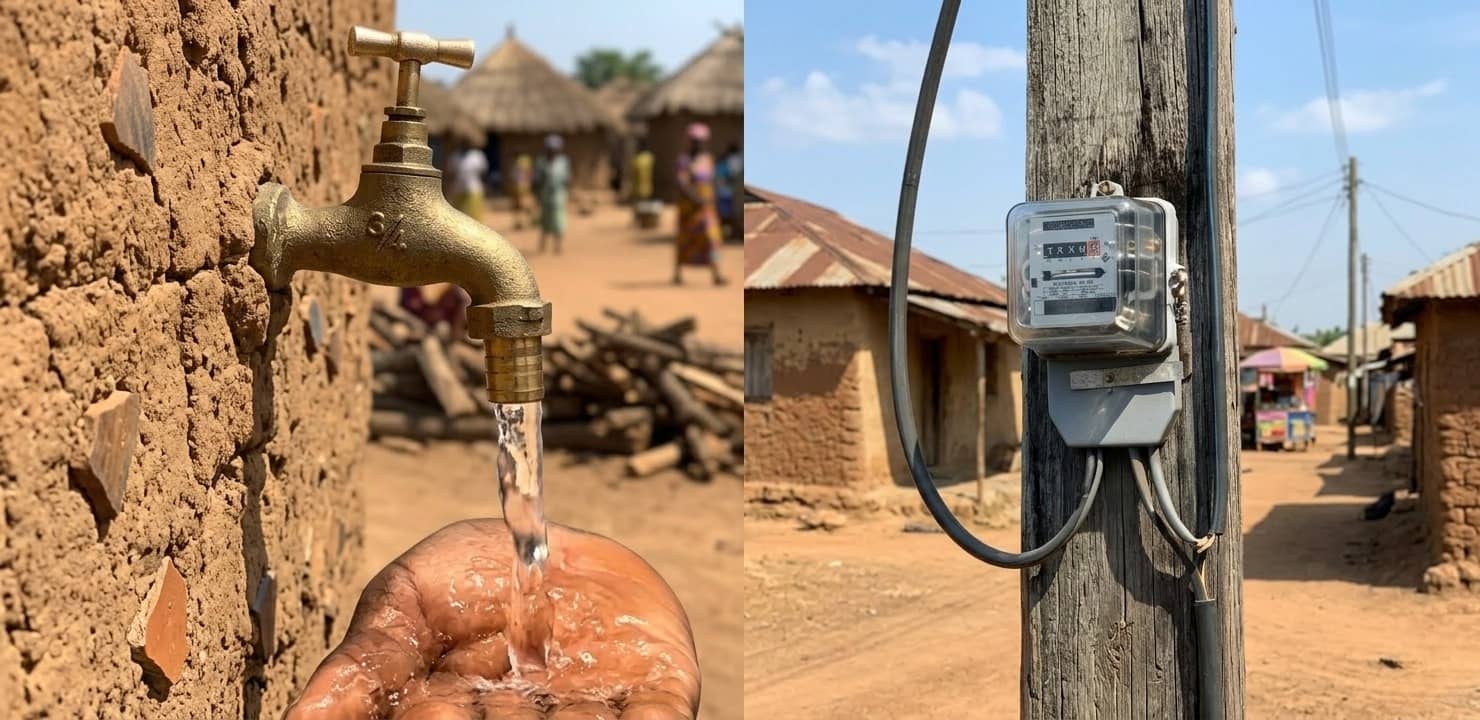
The Public Utilities Regulatory Commission (PURC) has announced a reduction in electricity and water tariffs for the second quarter of 2026, with the new rates set to take effect from April 1.
In a statement issued on March 13, the Commission said the adjustments form part of its quarterly tariff review mechanism aimed at reflecting changes in key economic and operational factors affecting utility service providers.
The regulator disclosed that electricity tariffs will decrease by an average of 4.81 percent, while water tariffs will fall by 3.06 percent.
“The Public Utilities Regulatory Commission (PURC) wishes to inform consumers of electricity and water that the existing electricity and water tariffs have been reviewed downwards to take effect from April 01, 2026,” the statement said.
According to the Commission, the quarterly review considers variables such as the cedi–US dollar exchange rate, domestic inflation, electricity generation mix and the cost of fuel, particularly natural gas used by thermal plants.
PURC explained that these adjustments are intended to preserve the real value of tariffs to ensure utility providers remain financially viable while balancing the impact on consumers.
“These quarterly adjustments are undertaken by the Commission to maintain the real value of the tariffs, which would enable the utility service providers to be financially viable to deliver on their services to consumers, while bearing in mind the impact of these tariffs on consumers in general,” the statement added.
Key indicators that influenced the latest review included a projected exchange rate of GH¢11.1931 to the US dollar, representing a 6.78 percent decline from the previous quarter’s rate of GH¢12.0067. The Commission also applied a three-month average inflation rate of 4.17 percent, significantly lower than the previous quarter’s level.
However, the weighted average cost of natural gas rose slightly by 2.84 percent to $8.0988 per MMBtu.
PURC also announced the introduction of a commercial electric vehicle (EV) charging tariff, describing it as a step toward promoting Ghana’s green energy transition.