The government has withdrawn the revised lithium mining agreement from Parliament to allow for further consultations with key stakeholders.
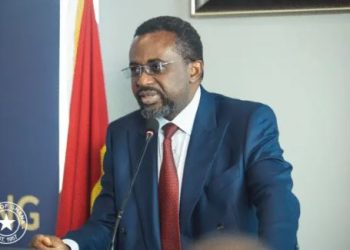
Speaking on the decision on Wednesday, December 10, Deputy Lands and Natural Resources Minister Yusif Sulemana explained, “The reason for the withdrawal of this agreement is to enable the Ministry of Lands and Natural Resources to undertake further consultations with very relevant stakeholders prior to re-presenting it to this very important House.”
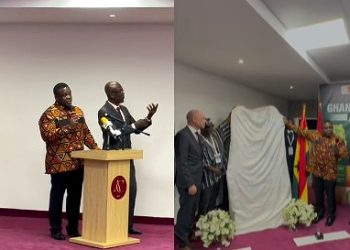
The agreement, originally laid before Parliament by Lands and Natural Resources Minister Emmanuel Armah-Kofi Buah, covers the mining of lithium and other minerals at Mankessim in the Central Region.
The deal was revised following a request by Barari DV Ghana Limited to adjust the lease terms due to a sharp drop in global lithium prices, which has affected the project’s viability.
Minister Buah had earlier noted that global lithium prices had fallen from about $3,000 per tonne to around $630 per tonne, rendering most lithium projects worldwide unprofitable.
The government also renegotiated the royalty terms, lowering the starting rate from 10 percent to 5 percent, with the intention of restoring it to 10 percent when market prices recover.
The revised agreement has drawn criticism from the Minority in Parliament. Former Lands Minister and MP for Damongo, Samuel Abu Jinapor, argued that the revised agreement is no different from the earlier version and urged MPs to reject it.
Minority Leader Alexander Afenyo-Markin similarly criticised the government, accusing it of inconsistency in its handling of the lithium deal.
Despite the pushback, Majority Leader Mahama Ayariga defended the agreement, urging Parliament to allow the relevant committees to study it and make recommendations before final approval. Speaker Alban Bagbin noted that the agreement would be referred to the appropriate parliamentary committee for further scrutiny.
The withdrawal, according to the government, aims to ensure that all concerns are addressed and that the project proceeds in a manner that protects the interests of local communities and the nation, while also creating jobs and supporting industrial development in the region.
Source: Citinewsroom [www.citinewsroom.com]