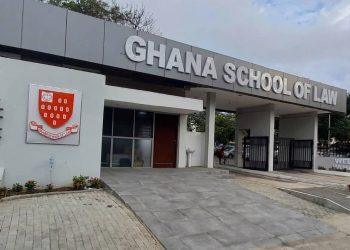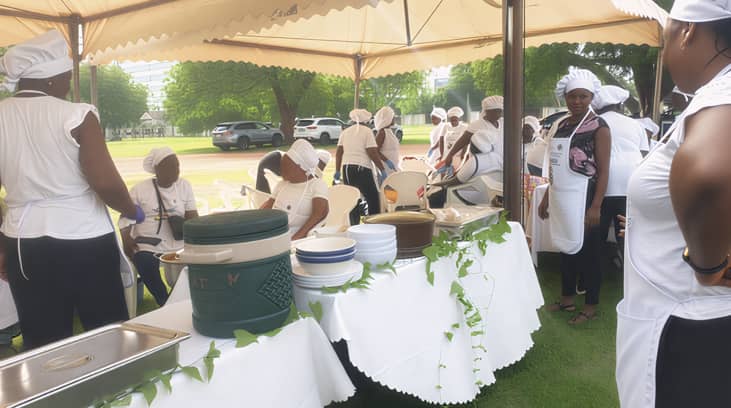
The Greater Accra Regional Coordinator of the Ghana School Feeding Programme, Madam Jessica Braima, has highlighted the critical role of nutritious meal preparation in improving both the health and academic performance of schoolchildren in the region.
Speaking on Monday, 23 February 2026, in Accra during a regional training session for caterers and head cooks, Madam Braima noted that the programme marked the second day of a three-zone training exercise designed to equip caterers with skills in nutritious cooking, food safety, and hygiene.
“This is the second day of taking our caterers and their head cooks through intensive training on nutritious cooking.”
“Our aim is to ensure that children eat nutritious foods that will keep them healthy, smart, active, and happy in class,” she said.
She explained that while many caterers already know how to cook, the focus of the training is on enhancing the nutritional value of meals served in schools.

“We all know how to cook,” she stated, “but we are focusing on the nutritious aspect, which is the most important thing. We are teaching them about balanced diets, how to keep their cooking environment clean, maintain personal hygiene, and keep food warm so that when it is served to the children, it is hot and safe to eat.”
Madam Braima revealed that the Greater Accra Region has about 900 caterers and 900 head cooks under the programme, bringing the total number of participants to approximately 1,800.
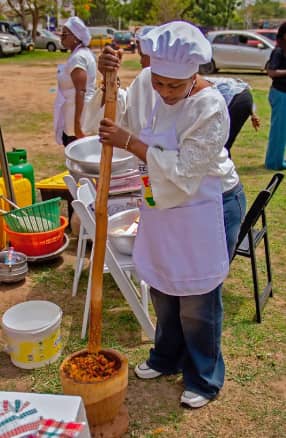
“In Greater Accra alone, we have about 900 caterers and 900 head cooks. That is why we divided the region into three zones to make the training more effective,” she explained. “We held the first session at Tema Metro, today is the second zone, and tomorrow will be the final session for the region.”
Touching on sector reforms, she said the government’s “Reset Ghana” agenda seeks to address previous lapses in the programme.
“When you look at the previous system, there were a lot of lapses,” she noted. “Under the Reset Ghana agenda, school feeding must also improve.”

She also disclosed that the feeding grant has been increased from GH¢1.50 to GH¢2.00 per child per day.
“Previously, caterers were paid GH¢1.50 per child. Now it has been increased to GH¢2.00, and we are advocating for it to be increased to GH¢5.00 so that the quality of meals and payments to caterers can improve,” she said.
Madam Braima added that improved meal quality has already contributed to higher enrolment figures in some schools.
“Formerly, some pupils were not eating the food because it was not in good shape,” she stated. “But now you can see that enrolment has increased because the meals are better and more appealing.”
The School Feeding Programme currently covers kindergarten to Primary Six, while Junior High Schools fall under a different administrative structure.
She concluded with an appeal to government for increased funding.
“I will plead with the government to increase the school feeding allocation from GH¢2.00 to GH¢5.00 so that we can continue to improve the programme and ensure that every child gets the nutrients he or she needs,” she emphasized.
Story by: Fati Ali Wehyemeh