The month of March is globally dedicated to celebrating women. As a result, many women’s organisations across the world, particularly in Ghana, have marked the occasion in diverse and meaningful ways.
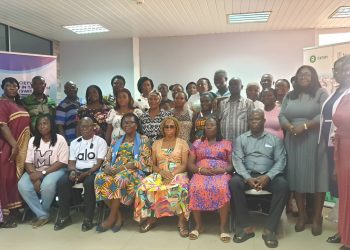
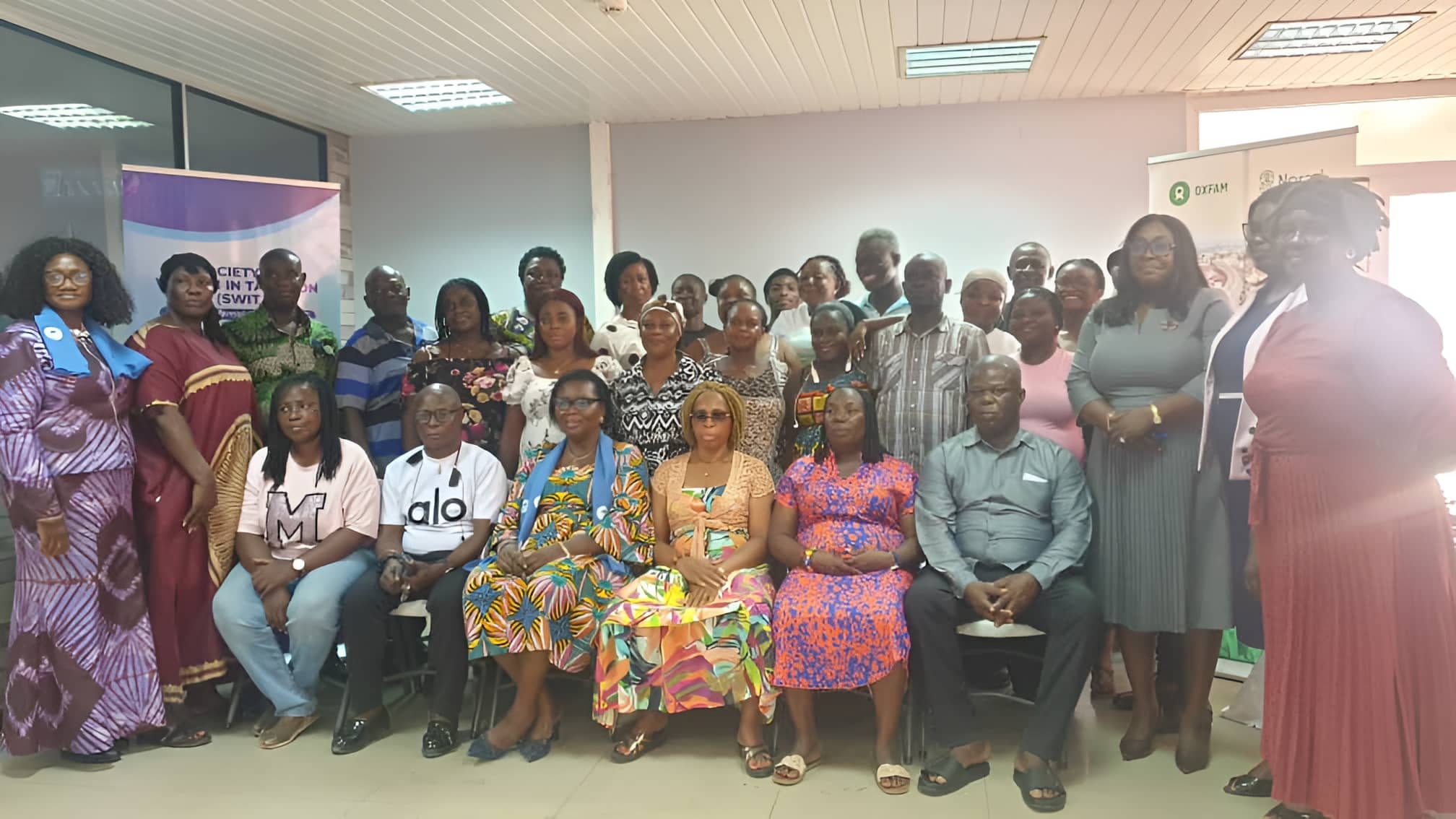
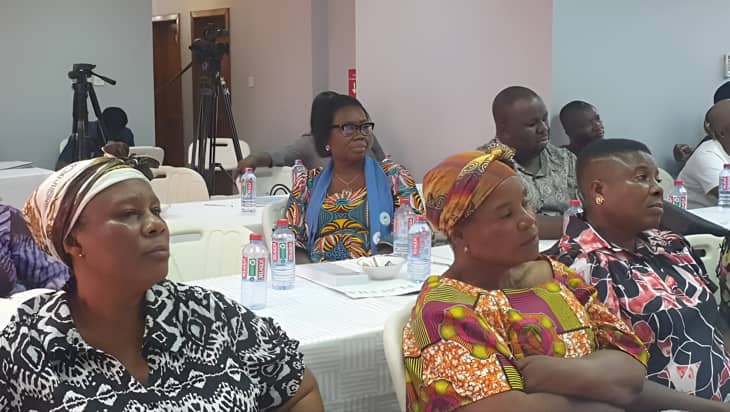
One such organisation is the Society of Women in Taxation (SWIT), the women’s wing of the Chartered Institute of Taxation Ghana. On Thursday, March 19, 2026, SWIT organised a capacity-building workshop for traders in the informal sector at Agbogbloshie in Accra. The workshop was themed “Understanding Your Tax Obligations for Better Compliance” and was held in collaboration with the Ghana Revenue Authority (GRA) and Oxfam Ghana, under the global theme “Give to Gain.”
Speaking to journalists, the President of SWIT, Madam Esi Sam, said the initiative forms part of the organisation’s mandate to educate Ghanaians—particularly women engaged in trading—on the importance of tax compliance.
She explained that the programme aimed to help traders understand why they should pay their taxes regularly and on time, as well as the reliefs and benefits available to compliant taxpayers.
According to her, the workshop also aligns with activities marking International Women’s Day, celebrated worldwide, and was intended to empower women with knowledge that would enable them to contribute meaningfully to national development.
Madam Esi Sam emphasised the importance of tax compliance within the informal sector, noting that government relies heavily on domestic revenue to undertake development projects such as roads, schools, hospitals, and markets. She added that increased compliance would reduce the need for external borrowing.
“Revenue mobilisation through taxation remains one of the key ways government funds development. While borrowing may sometimes be necessary, it cannot be sustained indefinitely. The more we educate people, the more they voluntarily comply, which ultimately supports national growth,” she said.
Although she could not provide specific data on compliance levels, Madam Esi Sam expressed confidence that sustained education efforts have contributed to an increase in the number of informal sector workers paying taxes. She cited the introduction of the Modified Taxation System as a simpler way of collecting taxes from traders across the country.
On challenges, she highlighted language barriers, noting that effective communication requires engaging traders in languages they understand. She added that collaboration with institutions such as the GRA and Oxfam Ghana has helped address some of these issues.
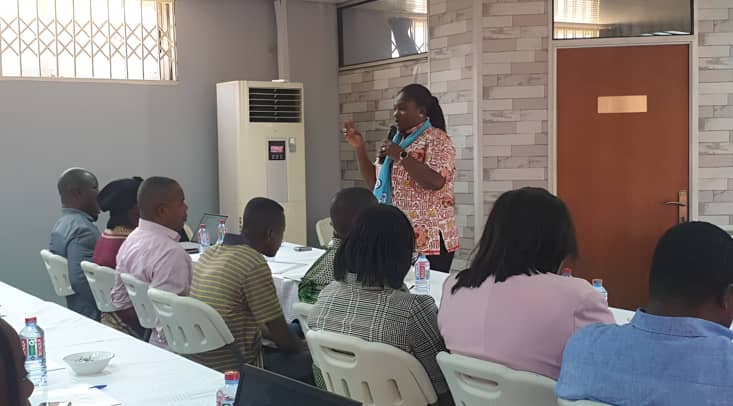
The news team also spoke to some participants to assess their understanding of the programme.
One trader, Madam Gloria Anima, said she was encouraged by the information shared, particularly regarding the benefits of filing tax returns. She noted that although many traders pay taxes, they are often unaware of the potential benefits, including improved infrastructure and possible social support.
Another trader, Madam Mary Sarkodie, a second-hand clothing seller at Kantamanto, described the education as timely and useful. However, she raised concerns about implementation, noting that while paying taxes is challenging, traders would be more willing to comply if the funds are used transparently and effectively.
She also called on government to ensure that only credible individuals are involved in tax collection within market spaces to prevent confusion and disorder.
Both traders pledged to share the knowledge gained with their colleagues and encouraged authorities to ensure that tax revenues are used responsibly for national development.



![The Future of Non-Profit Funding: Navigating Financial Sustainability in a Shifting Economy [ARTICLE]](https://sikamantimes.com/wp-content/uploads/2026/03/ANPOS-ARTICLE-350x250.jpg)