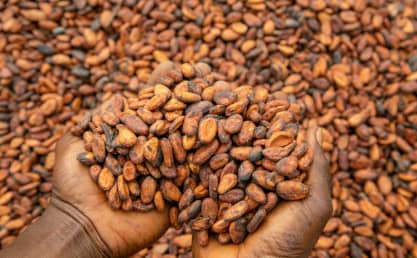
Government has unveiled a restructuring plan for Ghana’s struggling cocoa sector, including a mandatory requirement that at least 50 percent of cocoa beans be processed locally beginning the 2026/2027 crop season.
The measure forms part of a comprehensive reform package aimed at enhancing value addition, job creation, and long-term sustainability.
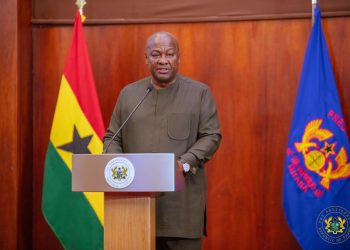
“Beginning from 2026-2027 crop season, a minimum of 50% of all cocoa beans should be processed locally,” Finance Minister Dr. Cassiel Ato Forson announced during a press conference at the Jubilee House on Thursday
Cabinet has also directed that the remainder of the 2025/2026 crop year beans be allocated for domestic processing with immediate effect.
Dr. Forson revealed that a new COCOBOD Bill will be presented to Parliament to institutionalize the reforms, including an automatic producer price adjustment mechanism that guarantees farmers at least 70 percent of the gross FOB price.
A key component of the overhaul is the introduction of a new financing model to replace the collapsed syndicated loan system, which had operated successfully for 32 years before failing amid economic instability.
“The new financing model will utilise domestic cocoa bonds to purchase cocoa and repay the cocoa proceeds within each crop year,” he explained.
The bonds will establish a revolving fund to finance cocoa purchases and reduce reliance on buyer pre-financing arrangements, which he described as unsustainable.
In addition, state-owned Produce Buying Company (PBC) will be revived to resume full operations, while the Cocoa Processing Company (CPC) will be repositioned to become a leading domestic processor.
According to Dr. Forson, these measures will ensure “a fair price to the cocoa farmer, secure the financial viability of the cocoa sector, and ensure the long-term sustainability of the cocoa industry.”