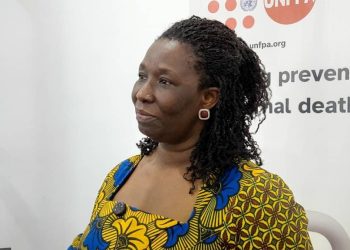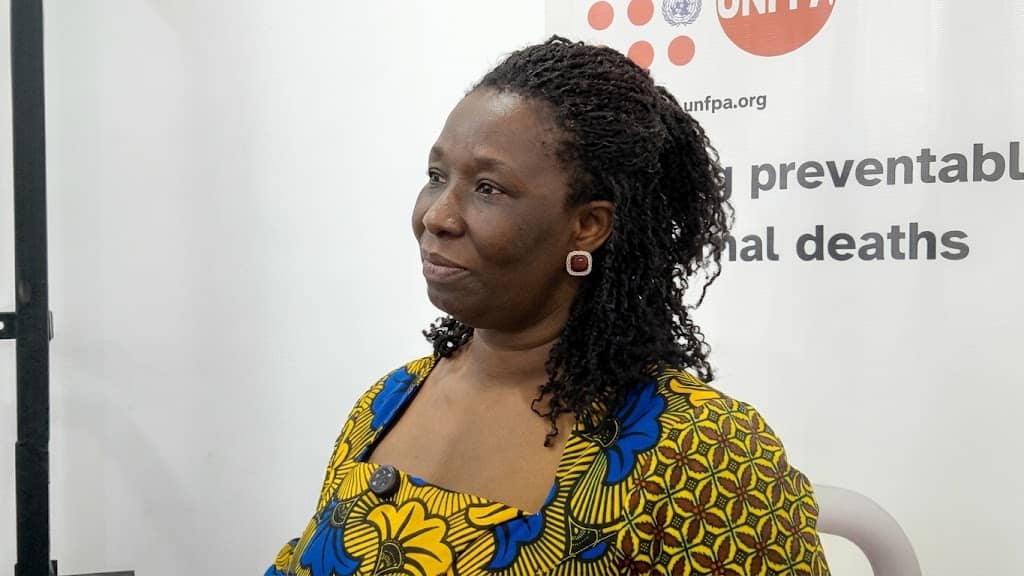
Efforts to address teenage pregnancy, child marriage and other challenges confronting adolescent girls must go beyond reproductive health education to include economic empowerment, leadership development and access to opportunities, the Executive Director of the Purim African Youth Development Platform (PAYDP), Reverend Aku Xornam Adzraku-Kevi, has said.
She argued that providing girls with information about their sexual and reproductive health without equipping them with the economic capacity to support themselves could undermine the effectiveness of interventions designed to improve their lives.
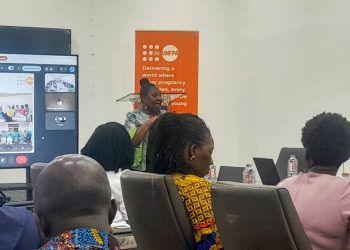
Speaking at a capacity-building workshop organised by the Media and Communication Advocacy Network (MCAN), in collaboration with the United Nations Population Fund (UNFPA), in Accra on Thursday, November 5, she outlined PAYDP’s interventions for adolescent girls, teenage mothers and communities since 2017.
The programmes have focused on sexual and reproductive health education, community engagement, addressing sexual and gender-based violence, and livelihood empowerment.
Through community outreach programmes with the Ghana Health Service, Planned Parenthood Association of Ghana and other organisations, PAYDP has educated girls on sexuality and helped them better understand their bodies.
The organisation has also supported girls affected by harmful practices, including female genital mutilation (FGM), rape, sexual abuse and teenage pregnancy, working with institutions such as the Department of Social Welfare and the Ministry of Gender, Children and Social Protection.
Rev. Adzraku-Kevi said the organisation had recognised that reproductive health education alone was insufficient without economic opportunities.
“If you only give the girl reproductive health information and you do not give her a livelihood empowerment, the girl is a bit defective, and she will not be able to support herself,” she said.
PAYDP has consequently introduced livelihood initiatives covering cassava and potato flour processing, basket weaving, animal rearing, farming and cosmetics production. Some of the cosmetics have been registered with the Food and Drugs Authority.
The organisation has also created markets in Accra, Kumasi, Bolgatanga and other communities to enable beneficiaries to sell their products and generate income.
Beyond economic empowerment, the organisation has prioritised leadership development through initiatives such as the Chief Justice Mentorship Programme, which exposes girls to the justice system and encourages personal development.
“You can do whatever programme you want to do, but if you do not do mind-shifting and leadership empowerment for these girls, you are just wasting your money,” she said.
Meanwhile, Dela Bright Gle, Programme Specialist in Reproductive Health at the UNFPA Ghana Country Office, said empowering young people to realise their potential was central to the organisation’s mission.
UNFPA’s three transformative goals for 2030 include zero preventable maternal deaths, zero unmet need for family planning, and zero gender-based violence and harmful practices, including child marriage and FGM.
Rev. Adzraku-Kevi disclosed that the Global Programme and Adolescent Girls Programme, alongside other UNFPA interventions, had reached more than 100,000 women and girls across Greater Accra, Ashanti, Central, North East and Upper East regions.