The Ministry of Education has announced a two-year examination ban for basic school learners who leave their respective classes ahead of schedule to sit the Basic Education Certificate Examination (BECE), as it moves to strengthen discipline and address longstanding challenges in the education sector.
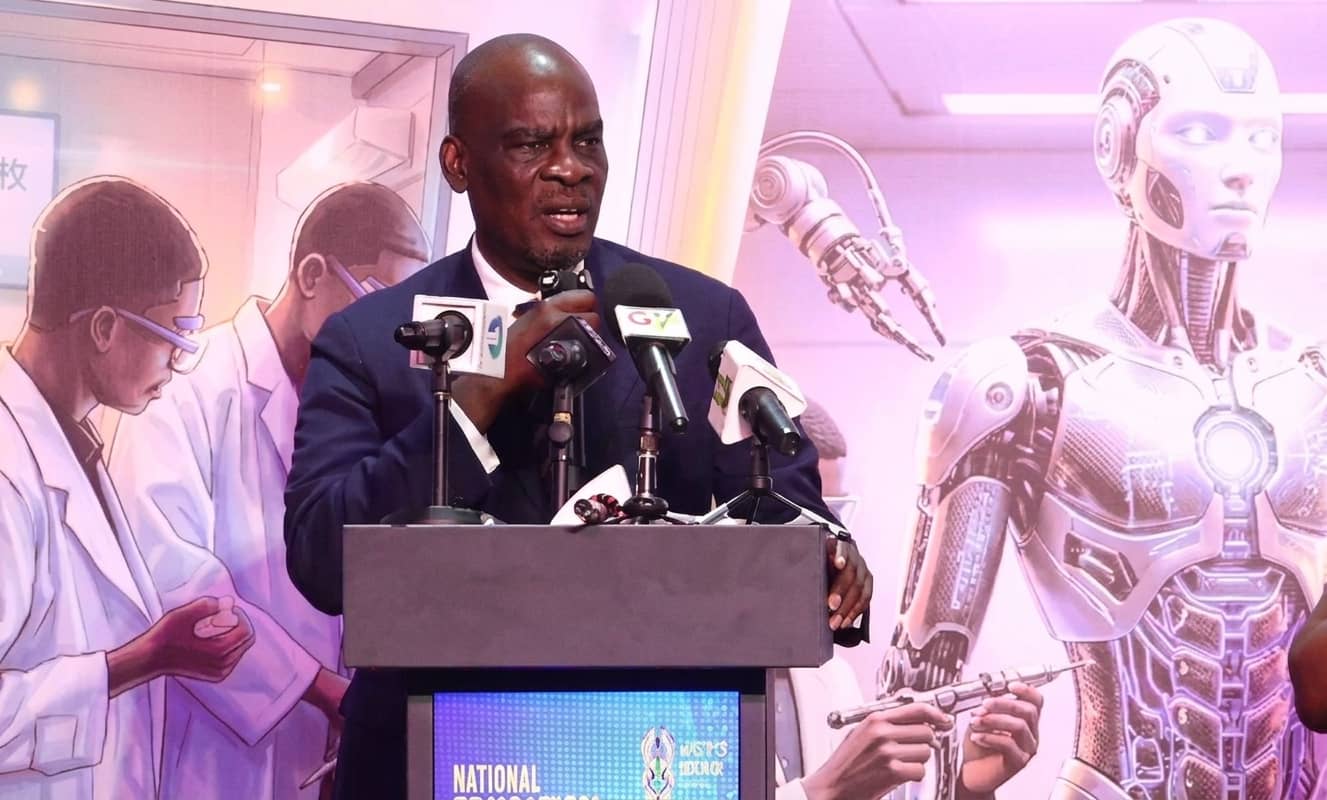
Education Minister Haruna Iddrisu announced the measure at the opening of the 2026 National Education Week, directing the Ghana Education Service (GES), regional directors and headmasters to enforce the directive.
Under the measure, junior high school learners who attempt to advance their graduation ahead of schedule to write the BECE earlier than expected will be barred from taking the examination for two years.
The minister said the decision was intended to promote discipline, improve national education planning and discourage parents from pushing their children to sit examinations out of turn.
Mr Iddrisu also disclosed that the 2027 national budget makes provision for 10,000 recruitment opportunities across the education sector, covering teachers, non-teaching staff and academic personnel in universities.
On concerns surrounding regulatory audits of tertiary institutions, he defended the work of the Ghana Tertiary Education Commission (GTEC), explaining that the exercise was intended to assess the quality of training, institutional locations and their alignment with national development priorities, rather than impose permanent restrictions on institutions.
The 2026 National Education Week is being held under the theme, “Harnessing Artificial Intelligence for Inclusive and Transformative Education in Ghana.”
Addressing the role of artificial intelligence (AI) in education, Mr Iddrisu stressed that technology should complement teachers and improve learning outcomes rather than replace the human element of teaching.
“Our ambition is to harness AI to improve learning outcomes and expand educational opportunities and to develop human capital that can compete with the rest of the world in a rapidly changing technological world. So we are not going to replace teachers with AI,” he said.
Deputy Education Minister Dr Clement Abas Apaak also emphasised the need to ensure that digital transformation benefits all learners, irrespective of their circumstances.
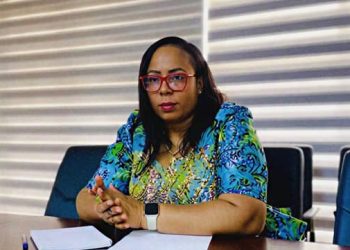
Chief Director of the Ministry, Lydia Obenewa Essuah, outlined key sector interventions, including the distribution of free sanitary pads, no-academic-fee disbursements, support for persons with disabilities in tertiary and special education, and curriculum reforms covering kindergarten to Primary Six.
She also highlighted the 210-subproject Secondary and Technical Education Improvement Project (STAR-J), supported by the World Bank and the government.
Civil society organisations and development partners, however, called for a measured and inclusive approach to the adoption of AI, stressing the need for appropriate safeguards, local-language solutions, offline accessibility and evidence-based implementation.
Bernice Mpere-Gyekyi, National Coordinator of the Ghana National Education Campaign Coalition, cautioned that technological investments must not distract from the need to address weaknesses in foundational literacy and numeracy.
“Ghana should embrace AI, but technology must serve education, not dictate its priorities,” she said.
UNICEF’s Andy Brooks similarly urged stakeholders to prioritise measurable learning outcomes, strengthen collaboration between technology and teachers, and ensure that innovation does not deepen existing inequalities in access to quality education.