Cabinet has approved Ghana’s decision to seek membership of BRICS as the government moves to diversify its international economic partnerships and advance President John Dramani Mahama’s “New Economy” agenda.
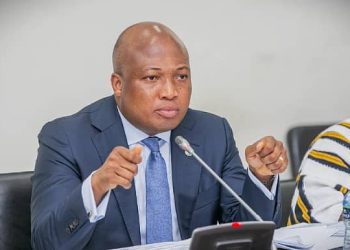
Foreign Affairs Minister Samuel Okudzeto Ablakwa said the move was aimed at creating more options for Ghana’s economic development, strengthening resource sovereignty and deepening trade and investment relations with emerging economies.
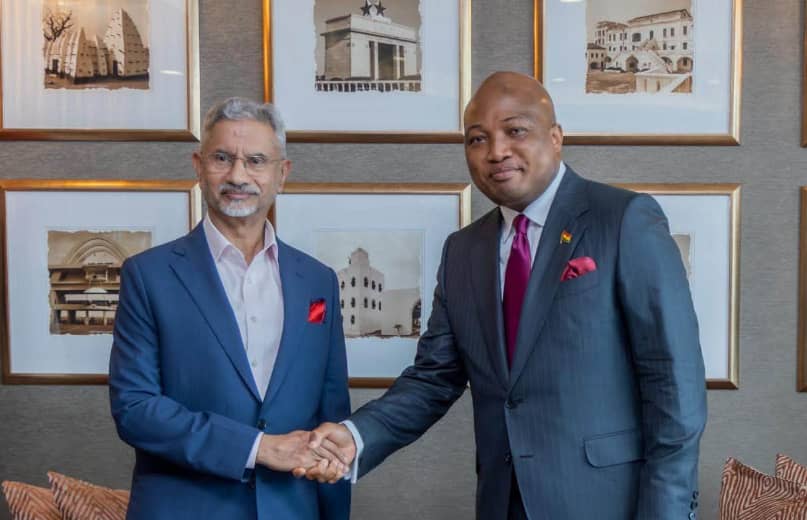
“The President Mahama-led administration believes that BRICS offers an incredible opportunity that aligns with his vision for economic growth,” Mr Ablakwa said at a joint press briefing with India’s Foreign Minister, Dr Subrahmanyam Jaishankar, in Accra on Tuesday.
He said Ghana was moving from stabilisation towards a transformative economic path under the New Economy.
“To anchor the President’s new economic vision, we believe that we must diversify our international cooperation,” he said.
Mr Ablakwa said Ghana would now take steps to formally apply for membership and seek the support of existing BRICS members.
“So, these are the reasons that went into the cabinet decision. But we are now going to take baby steps to formally apply and to seek the support. You know you have to be accepted. You must be admitted,” he said.
He stressed that joining BRICS would not mean Ghana was abandoning its traditional partners but would provide additional choices for development.
“BRICS offers us that opportunity to have options in development agenda, you want to have options,” he said.
Mr Ablakwa also linked the move to Ghana’s resource sovereignty agenda.
“We want resource sovereignty, where we can be treated as equal partners. We don’t want a situation where we continue to export raw materials. We want to add value to the natural resources that we have,” he said.
Dr Jaishankar said India remained supportive but noted that Ghana’s bid would require collective consideration.
“We have always been very sympathetic and supportive of Ghana’s aspirations and goals. Obviously, this is an issue of collective consideration. So we have to see how that goes forward,” he said.