Ghana has more than 100,000 trained health professionals awaiting employment, prompting the government to consider measures to regulate the number of students admitted into health training institutions, Health Minister Kwabena Mintah Akandoh has disclosed.
The Minister said the situation had been created partly by a mismatch between the number of health professionals being trained annually and the number the country could recruit into the public health system.
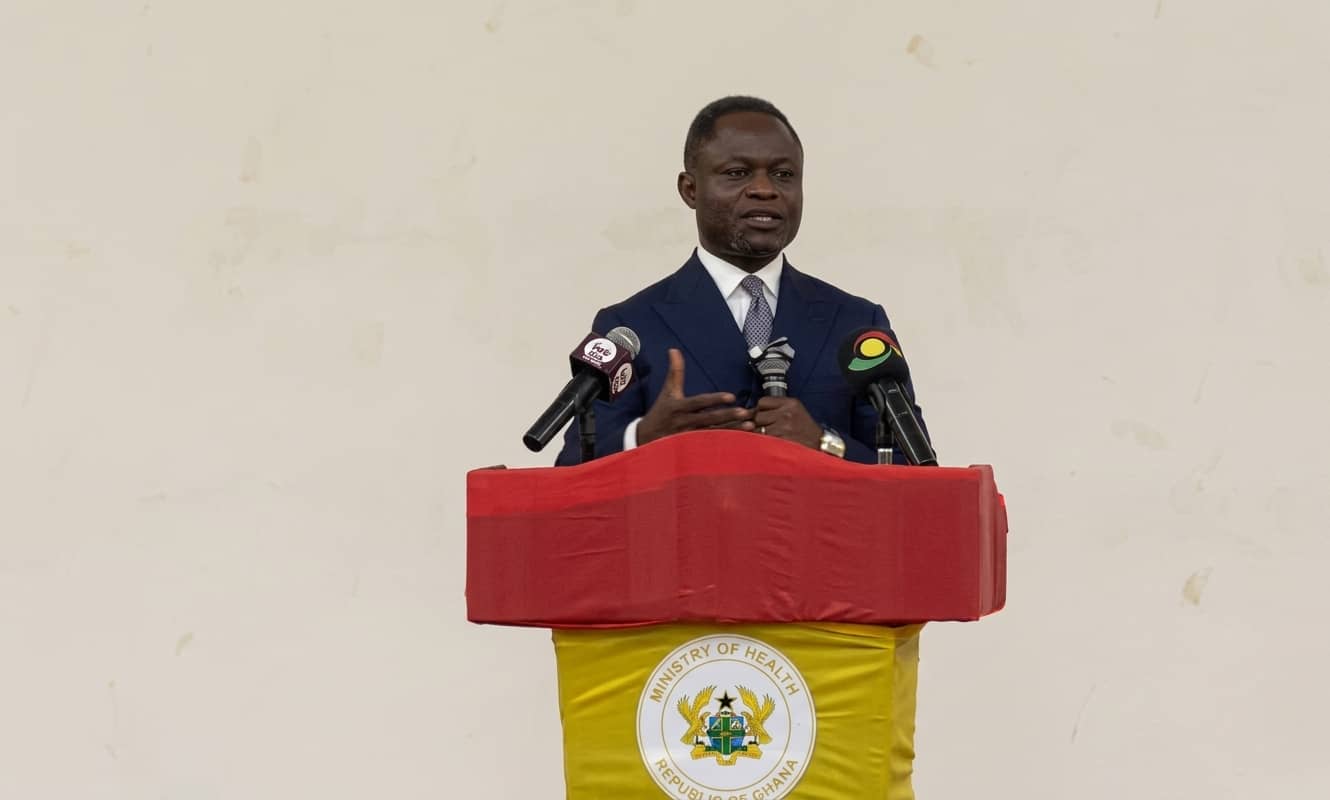
Speaking at a stakeholder engagement on Wednesday, Mr Akandoh said more than 50,000 students were being admitted annually into nursing, allied health and related programmes, while the country was recruiting only between 10,000 and 15,000 health professionals each year.
He said the imbalance was worsening the backlog of trained professionals who remained unemployed despite the country’s need for healthcare workers.
“We are admitting more than 50,000 students. Meanwhile, as a country, we are not able to recruit more than 15,000 or 10,000 every year,” he said.
“What it means is that if you are not very careful, you will leave more than you came to meet. The backlog can only increase.”
The Minister said the government was therefore considering controlling the “valve” that feeds more graduates into a system that was unable to absorb them.
He said the objective was not to permanently restrict training but to reduce the backlog to a manageable level before increasing admissions and recruitment.
“We have to check the valve that is bringing in more,” he said.
“What’s the point if the person has been trained and is unemployed? What’s the point?”
Mr Akandoh said the government wanted to reduce the backlog from more than 100,000 to about 40,000 before considering an expansion in recruitment.
He said the government was also seeking to make recruitment more balanced across health professions.
According to him, allied health professionals received about 900 recruitment slots, while nurses and midwives were allocated approximately 6,500 slots under the latest recruitment exercise.
The Minister said the allocation reflected the government’s priority of expanding access to primary healthcare, which required sufficient health professionals at the community level.
He also disclosed that the government had inherited about 105 trained health professionals who were unemployed, adding that the issue formed part of a wider employment challenge confronting the health sector.
Mr Akandoh said the government had already placed 13,500 nurses and midwives who had been deployed without financial provision onto the public payroll.
He said their outstanding salary arrears had also been fully paid.
“As I speak to you today, all the 13,500 of them have been put on the payroll and they are receiving their salaries on time,” he said.
“The arrears have been fully paid.”
The Minister said the government had subsequently directed the recruitment of about 16,000 additional health professionals, although recruitment would be tied to the availability of financial clearance.
He said the policy was intended to ensure that the expansion of health training was matched by realistic employment opportunities.