The Criminal Investigation Department (CID) of the Ghana Police Service has called on internet users to promptly report suspected online threats, warning that silence and delayed reporting increase the risk of harm to children and young people online.
Speaking on the second day of the National Online Safety Summit (NOSS) 2026 in Accra, the Director-General of the CID, COP Lydia Yaako Donkor, noted that while expanding internet access has created opportunities for learning and connection, it has also exposed children to significant risks, including online grooming, extortion, and sexual exploitation.
“With widespread access to the internet, children can easily be exposed to harmful content if adequate safeguards are not in place,” COP Donkor said. She cautioned that curiosity, limited digital awareness, and pressure from online predators could make young users vulnerable to coercion and exploitation.
She urged victims and concerned users not to panic or suffer in silence when confronted with online abuse. “There is help. Do not give up or think there is no one to turn to,” she said, pointing to reporting mechanisms operated by the Cyber Security Authority (CSA) and the Ghana Police Service’s Cybercrime Unit.
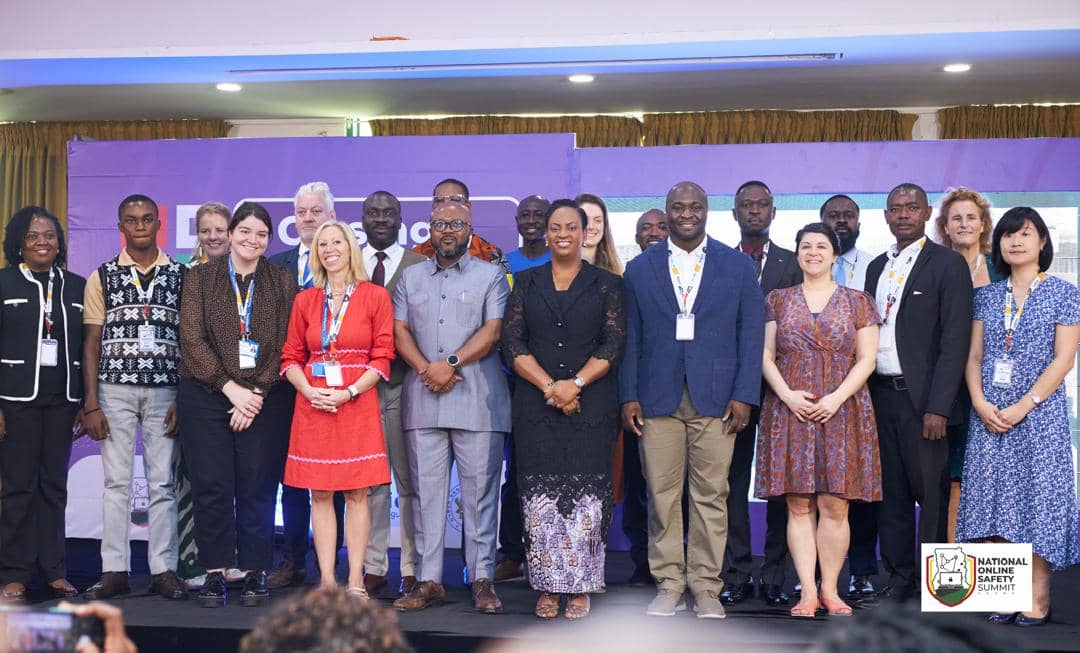
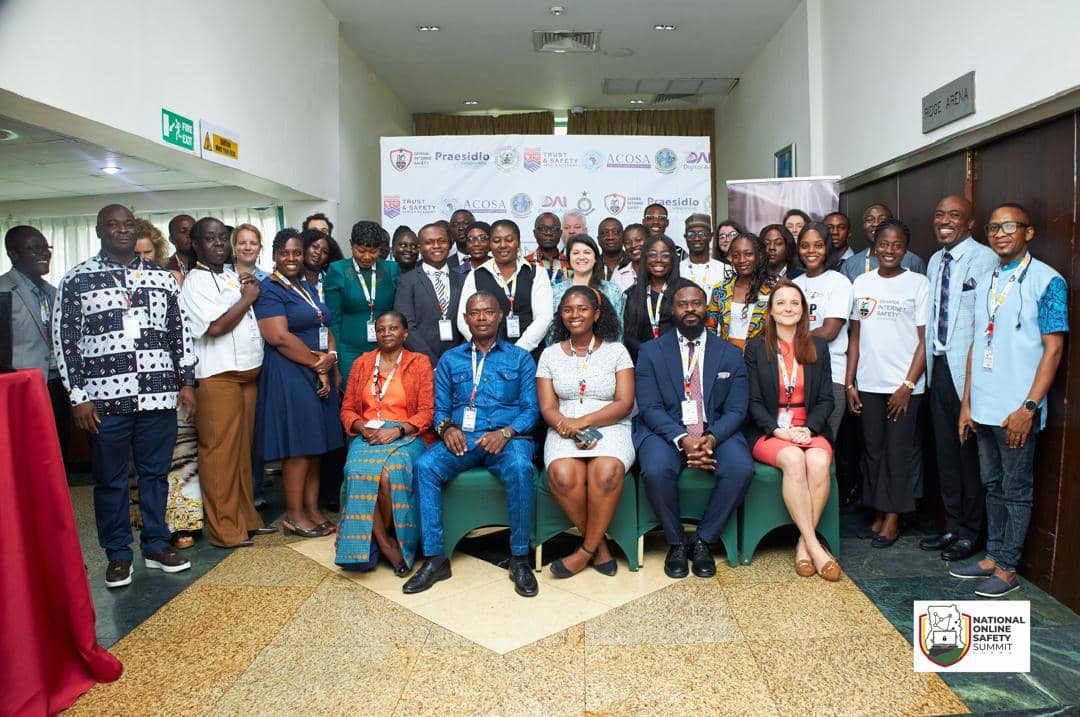
The two-day summit, held from February 3 to 4 at the Alisa Hotel in Accra, was organised by the Ghana Internet Safety Foundation (GISF) in partnership with Praesidio Safeguarding, with institutional support from the Cyber Security Authority and the Criminal Investigation Department. The summit was held under the theme “Closing the Gaps: Building a United Front Against Online Child Sexual Exploitation and Abuse in Ghana.”
President and Co-Founder of GISF, Emmanuel Edem Adinkra, said the summit was intentionally designed to move beyond discussion toward measurable action. “Ghana currently has an internet penetration rate of about 74 percent, and a significant proportion of users are under the age of 25,” he said. “The question is how we ensure they are safe and do not fall victim to online crimes such as grooming, extortion, cyberbullying, and misinformation.”
Mr. Adinkra described the summit as a platform for accountability, adding that stakeholders would reconvene in a year to review progress made. “This is not a talk shop. It is a practical, action-oriented engagement aimed at delivering real protection for children,” he noted.
Speaking on Ghana’s regulatory approach to online child protection, Divine Selase Agbeti, Acting Director-General of the Cyber Security Authority, highlighted gaps in supervision, digital literacy, and industry accountability. He stressed that the national child online protection framework provides a roadmap for coordinated prevention, reporting, and response, but requires sustained collaboration across sectors to be effective.
Also contributing to the discussions, Helen King, Co-Director of Praesidio Safeguarding, emphasised the importance of early and culturally relevant prevention strategies. Drawing on evidence from Ghana, she explained that harmful online interactions often begin with seemingly harmless contact but can escalate into coercion, financial control, and long-term trauma if not addressed early.
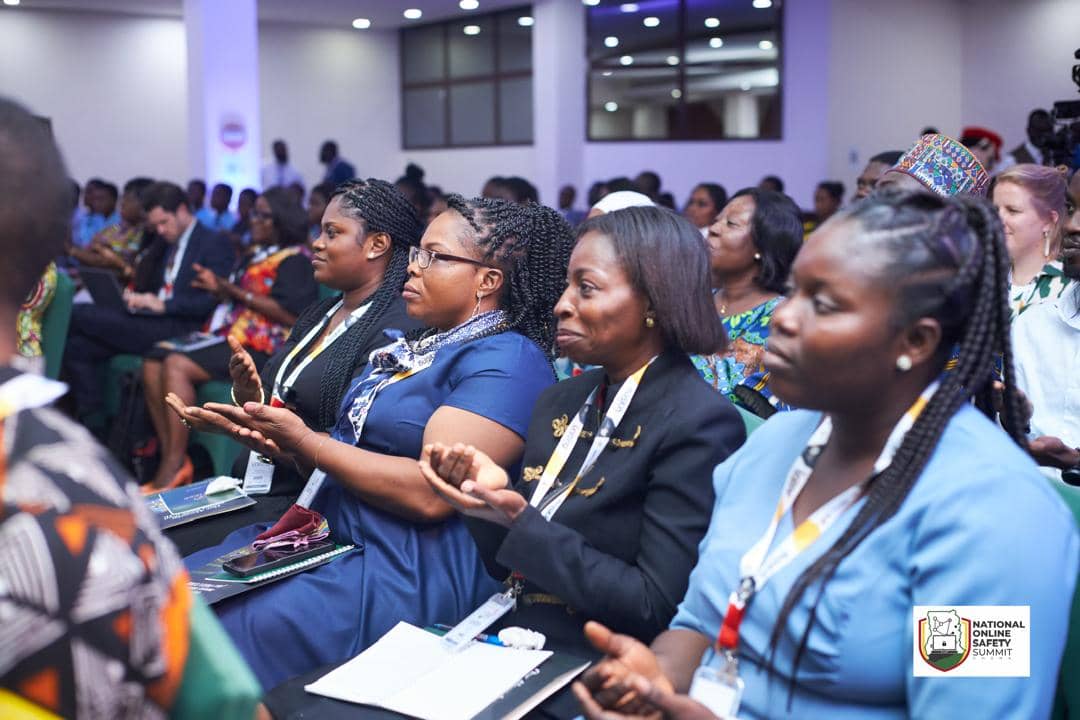
The summit brought together representatives from government agencies, law enforcement, civil society organisations, technology companies, youth groups, and international partners, all focused on strengthening Ghana’s collective response to online child sexual exploitation and abuse.