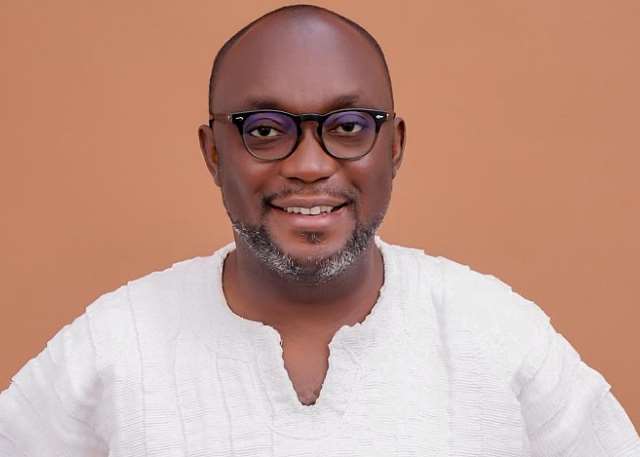
The Member of Parliament for Abuakwa South, Dr. Kingsley Agyemang, has cautioned that the United States’ withdrawal from the World Health Organization (WHO) presents serious risks to Ghana’s public health security, emergency preparedness, and long-term health system resilience.
In a statement issued on Tuesday, January 27, 2026, the MP described the move as a “structural challenge to global health governance,” warning that its consequences would be felt most acutely by low- and middle-income countries that rely heavily on multilateral health coordination.
The United States has historically been the WHO’s largest financial contributor, accounting for about 15 per cent of the organisation’s overall budget through assessed and voluntary contributions. According to Dr. Agyemang, the withdrawal significantly undermines the WHO’s operational capacity.
“The depletion of this financing source affects the WHO’s operational efficiency in disease surveillance, emergency response, normative advice, and technical assistance, upon which Ghana’s health system significantly depends,” he noted.
He explained that the immediate implications for Ghana are likely to be felt in areas such as epidemic intelligence, immunisation coordination, malaria control, maternal and child health, and outbreak preparedness—particularly as climate-sensitive and epidemic-prone diseases continue to pose growing threats.
Citing historical evidence, the MP warned that funding gaps in multilateral health financing often “disproportionately impact nations with limited fiscal capacity,” increasing their vulnerability during health emergencies. He added that weakened WHO leadership could fragment global health coordination, resulting in duplicated efforts, higher transaction costs, and reduced adherence to International Health Regulations.
“The fragmentation of leadership poses risks of redundant activities, diminished adherence to International Health Regulations, and a transition toward bilateral or interest-based health partnerships that may not correspond with Ghana’s national priorities,” the statement said.
Despite the concerns, Dr. Agyemang described the development as a potential strategic turning point for Ghana. He pointed to ongoing domestic reforms, including the expansion of National Health Insurance coverage and renewed focus on non-communicable diseases, as opportunities to strengthen internal resilience.
He called for intensified South-South cooperation, stronger engagement with alternative multilateral partners, and accelerated local pharmaceutical production to reduce reliance on a single global health actor. Evidence, he noted, shows that countries that diversify health alliances and strengthen domestic resource mobilisation are better positioned to withstand external shocks.
While acknowledging government efforts to advance national health priorities, the MP stressed that the moment demands decisive action.
“This moment requires all key actors in the Ghanaian health system to consolidate existing gains through strategic measures that protect health system resilience and national health sovereignty,” he said.
Dr. Agyemang concluded by underscoring the continued importance of multilateral collaboration, warning that diminished global coordination could weaken health security and equity at a critical time.
“At this pivotal juncture, sustained cooperation remains essential to safeguarding lives and reinforcing collective global resilience,” he stated.


![Project Finance: Ghana’s Untapped Key to Infrastructure Development [ARTICLE]](https://sikamantimes.com/wp-content/uploads/2026/02/Eunice-Kaanye-350x250.jpeg)




![Project Finance: Ghana’s Untapped Key to Infrastructure Development [ARTICLE]](https://sikamantimes.com/wp-content/uploads/2026/02/Eunice-Kaanye-120x86.jpeg)