Ghana will invest US$300 million between 2027 and 2028 to establish a National Artificial Intelligence (AI) Centre and upgrade rural 2G networks to reliable 4G connectivity, as part of plans to expand the country’s technology economy.
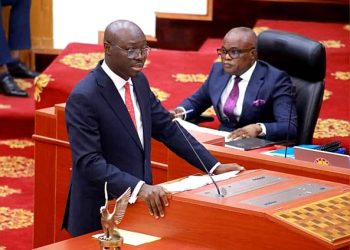
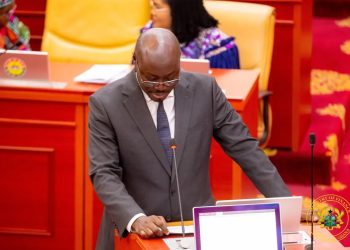
The initiative, outlined in the 2027 Budget presented to Parliament by Finance Minister Dr Cassiel Ato Forson, is expected to improve access to digital services, support innovation and equip young people with skills for employment in the technology sector.
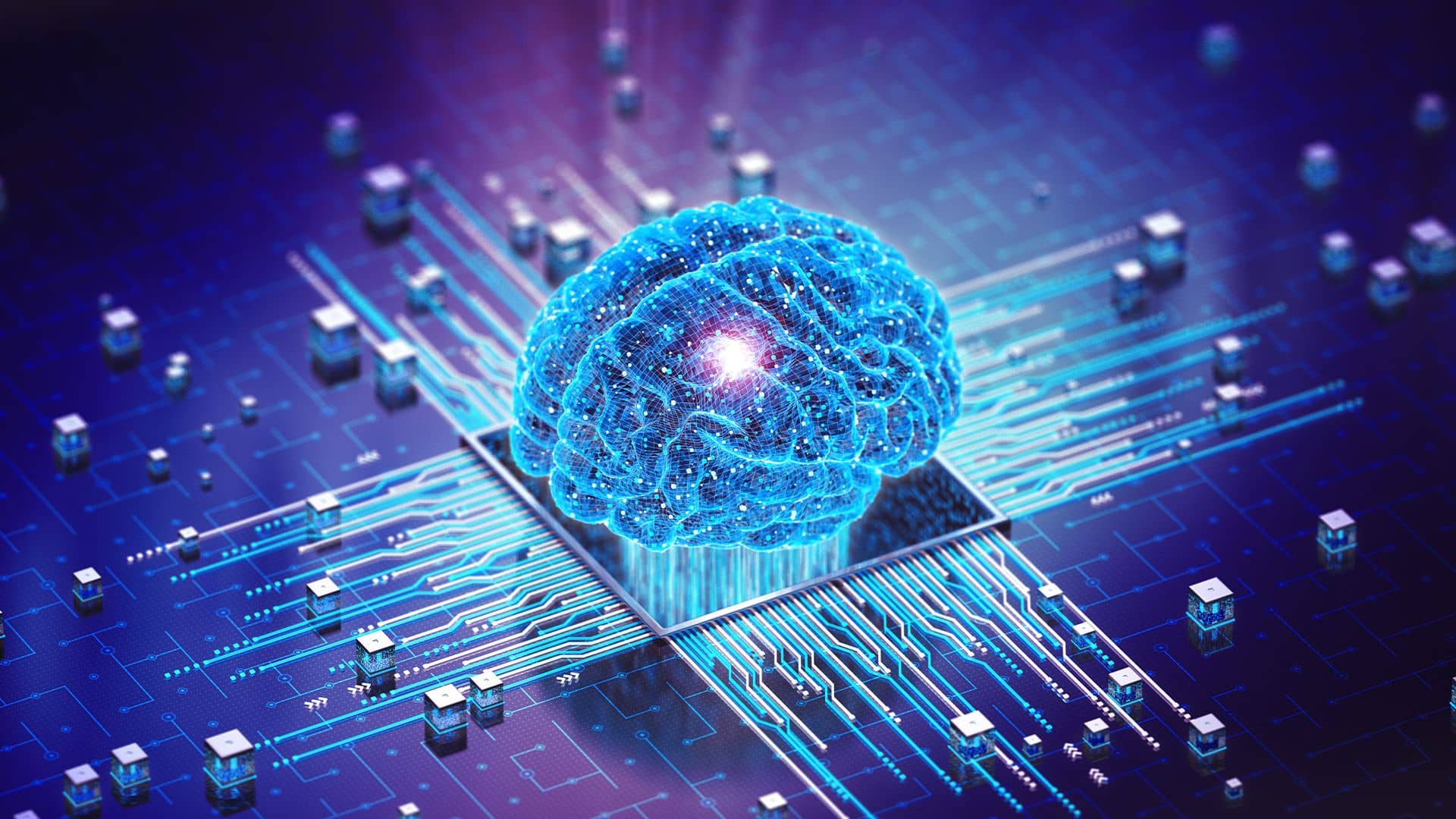
The proposed National AI Centre will provide shared high-performance computing facilities, secure data environments, applied research laboratories, model testing, professional training and support for start-ups.
According to the Budget, the facilities will give Ghanaian businesses, researchers, universities and public institutions access to technological capabilities that many cannot afford to develop independently.
The Centre will prioritise the application of artificial intelligence in agriculture, health, energy, mining, logistics, Ghanaian languages and public services.
It will also provide practical training in software development, data analytics, artificial intelligence, computer networks and digital business services.
“Through hands-on training linked to industry needs, our youth will gain the skills to secure better-paying jobs, build businesses and compete for opportunities in global digital markets,” the Budget stated.
The government also intends to support small and medium-sized enterprises to adopt digital tools that can improve productivity.
The investment includes plans to upgrade rural 2G networks to reliable 4G connectivity, with the Budget highlighting the potential benefits for communities and businesses.
It said improved connectivity would enable farmers to access weather and market information, receive digital payments and connect with buyers. It would also allow clinics to use telehealth services, students to access learning materials and small businesses to reach customers beyond their districts.
The government has indicated that privacy, cybersecurity, accessibility and human accountability in high-impact decisions will be incorporated into the Centre’s operations.
Beyond the proposed AI investment, the Budget outlines other digital technology initiatives aimed at improving public administration and strengthening the country’s digital infrastructure.
These include plans to consolidate digital reforms in revenue administration through deeper data matching and analytics, as well as the full rollout of Fiscal Electronic Devices to support VAT compliance.
Government is also pursuing the establishment of a new Financial Management Integrated System (IFMIS), supported by technology and data modernisation, system integration and automation.
In the communications sector, the government reported progress towards creating a more competitive 5G market following the removal of exclusivity conditions on wholesale 5G infrastructure and the opening of additional spectrum for competitive licensing.
The Ministry of Communication, Digital Technology and Innovations is also implementing a legislative reform programme involving 15 Bills to modernise Ghana’s ICT legal framework and address developments in cybersecurity, data governance, digital communications and emerging technologies.