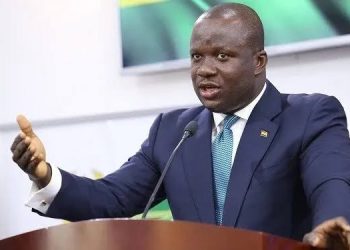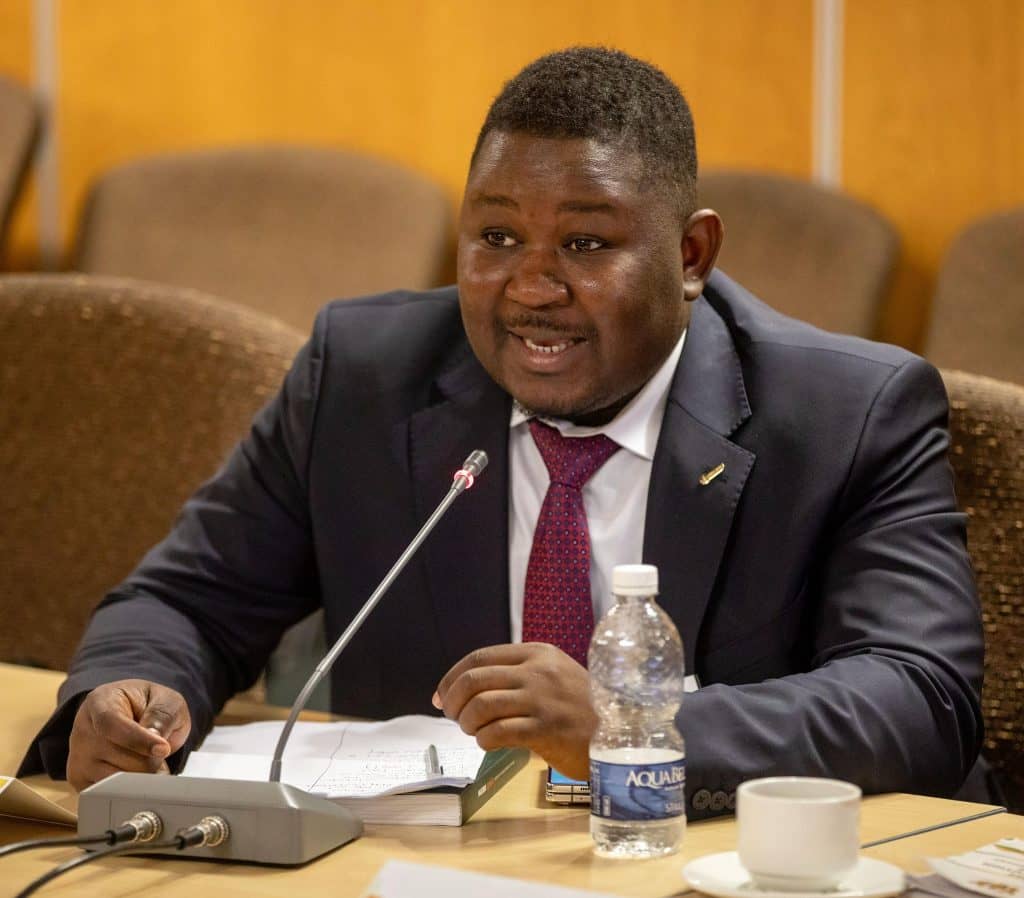
Member of Parliament for Sagnarigu and Finance Committee member, Attah Issah, has pushed back against claims by the Minority that the Bank of Ghana reversed a recovery path in 2025, describing the assertion as a misreading of the central bank’s financials.
In a detailed response to the Minority’s position, Hon. Issah argued that developments captured in the Bank’s 2025 audited accounts are “structural, policy-driven, and consistent with central banks undergoing post-crisis normalisation,” rather than evidence of policy missteps.
The Minority has pointed to a decline in losses from GH¢13.23 billion in 2023 to GH¢9.49 billion in 2024, followed by a rise to GH¢15.63 billion in 2025, alongside a worsening negative equity position.
However, Hon. Issah maintained that such figures must be interpreted within the unique mandate of a central bank.
He stressed that the Minority’s analysis wrongly treats central bank losses as though they were commercial losses.
According to him, a significant portion of the 2025 loss stems from exchange rate revaluation effects and the cost of monetary policy operations, particularly liquidity management measures aimed at stabilising inflation and the currency.
“These are policy costs… not evidence of operational inefficiency or governance failure,” he explained.
Hon. Issah further argued that the perceived “recovery” in 2024 was overstated, noting that the improvement in that year was driven largely by temporary exchange rate conditions and one-off valuation adjustments, rather than durable structural gains.
On the increase in losses in 2025, he pointed to higher interest costs from open market operations, foreign exchange revaluation effects, and lingering impacts of the 2022–2023 crisis, including the Domestic Debt Exchange Programme, as the main drivers.
Addressing concerns over the Bank’s negative equity—reported at about GH¢93.8 billion—Issah said this does not indicate insolvency.
He noted that central banks globally can operate effectively with negative equity due to statutory backing and sovereign guarantees.
The MP also dismissed suggestions of a shift in policy direction, stating that the Bank has maintained continuity in its inflation-targeting framework, exchange rate stabilisation efforts, and alignment with the IMF-supported programme.
Issah affirmed that the 2025 financial outcomes reflect the cost of restoring macroeconomic stability, arguing that the figures should be assessed in context rather than in isolation.