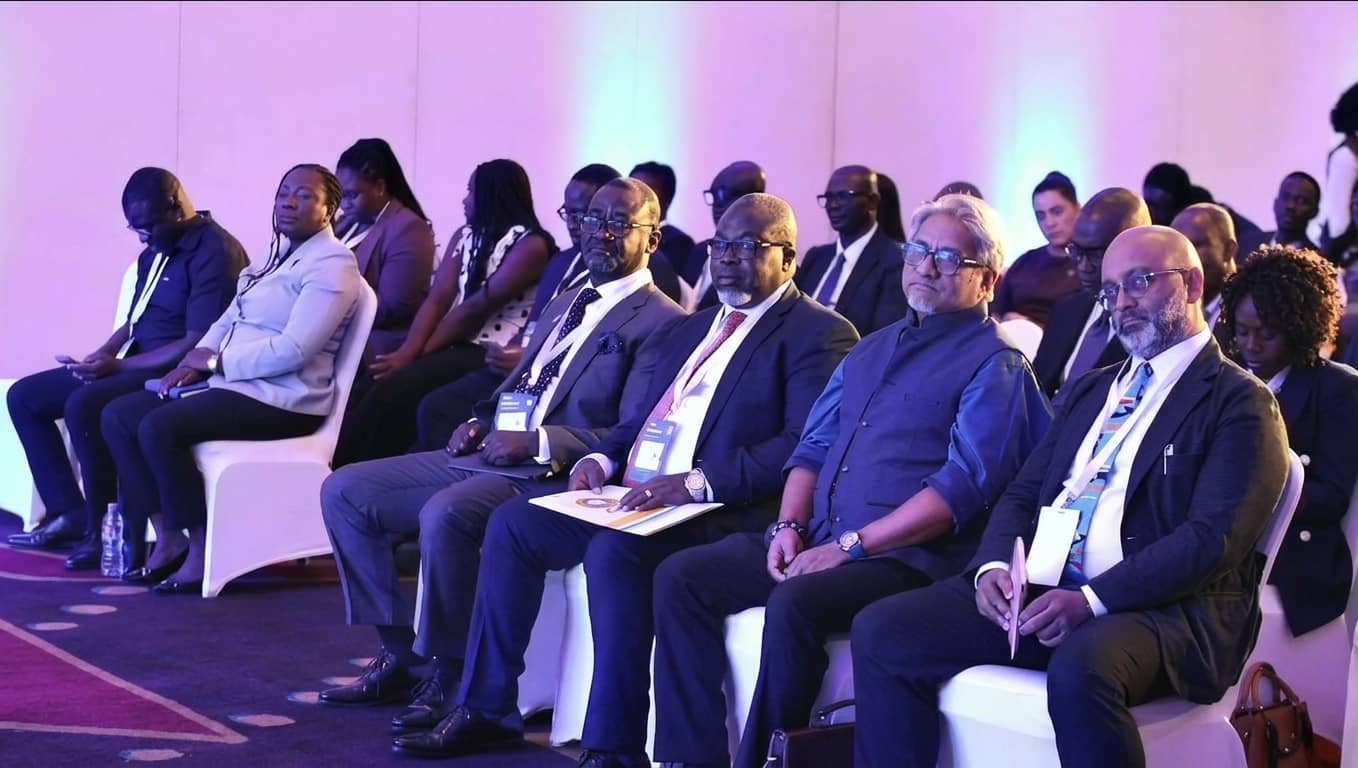
Access to affordable finance, the cost of electricity and a heavy dependence on gold were the main concerns raised by panellists at the KPMG–UNDP post-budget forum. A live poll showed participants cautiously optimistic about the 2027 budget.
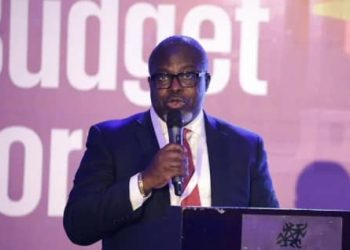
Moderator Bernard Avle said business surveys showed “71 percent want job creation as a priority,” even though headline numbers are strong. He noted that between 2014 and 2024 registered businesses tripled while jobs only doubled.
The Ministry of Finance’s chief economist, Nelly Mireku, defended the tough fiscal stance.
“By the end of 2024, the economy had really overheated… The minister calls it a shock therapy,” she said, adding that cuts targeted “wasteful spending” such as travel and workshops.
Doris Kafui Afanyedey, Chief Executive Officer (CEO) of the American Chamber of Commerce – Ghana (AmCham Ghana) said investors need predictability and energy costs to move together.
“Private investment particularly responds when finance, predictability and energy all work in the same direction,” she said. She noted that the gap between the 11 percent policy rate and the 15 percent bank lending rate is a barrier for small firms.
On power, she warned that electricity accounts for a significant share of operational costs. “In Ghana, 30 to 40 percent of operational costs is electricity,” she said, compared with about 20 percent across Africa. She added that the government expects new generation capacity to reduce tariffs to between six and eight cents per kilowatt-hour.
Chief Programme Officer of the 24-Hour Economy Authority, Abdul-Nasser Suglo Alidu, said government support is intended to restart private investment. He said agriculture could help lower food prices, which account for about 43 percent of the consumer basket. “If you reduce the cost of food in Ghana by about 10 percent, you would have increased real wages by about 4.3 percent,” he said.
Mr Alidu identified gold as his main concern. “Close to 67 percent of our exports is from gold… That’s concentration risk,” he said.
Dr Lordina Amoah of the University of Ghana Business School urged that climate risk analysis be built into investment planning.
In the live poll, about 70 percent of participants said they were very or somewhat confident that the budget would support job creation. On implementation priorities, half chose access to affordable finance.
A participant from the World Food Programme urged realism about timelines, while others called for regular updates on the pillars.
Mr Alidu agreed that a midterm review would be held.