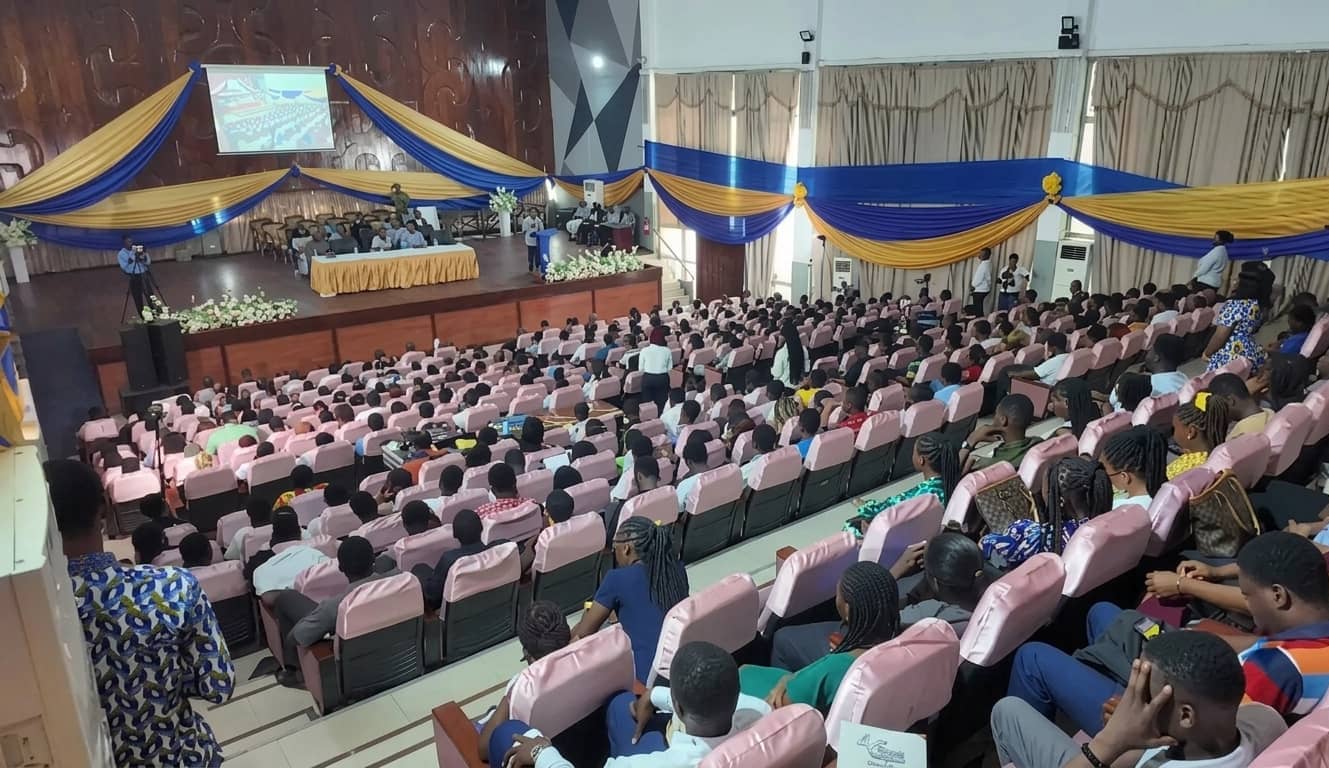
Ghana’s long-term competitiveness in the global digital economy will depend on sustained investment in human capital, innovation and skills development, speakers at the 46th Management Day Celebration of the University of Ghana Business School (UGBS) have said.
The event, held at the University of Ghana Business School in Legon on June 24, 2026, was on the theme, “Developing Talent for a Digital and Sustainable Future: HR Strategies for Ghana.” It brought together government representatives, academia, industry leaders, students and alumni to discuss the future of work and the role of human resource management in supporting Ghana’s digital transformation.
Delivering the keynote address on behalf of the Minister for Communication, Digital Technology and Innovation, Samuel Nartey George, the ministry’s Director of Innovations, Emmanuel Ofori, said digital technologies were reshaping economies, industries and labour markets across the world.
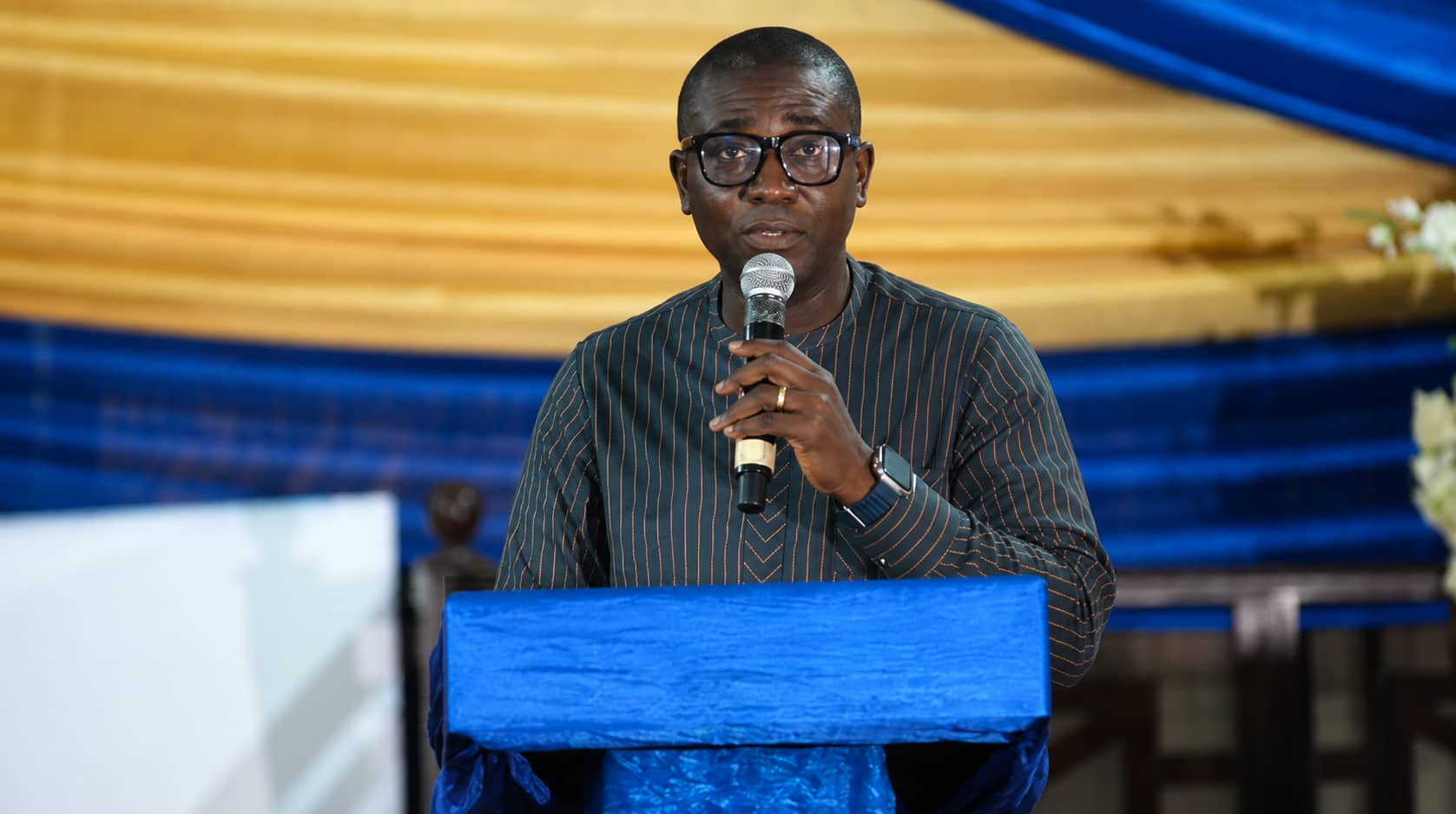
“We are living in one of the most transformative periods in human history. The world is changing rapidly through digital innovation, artificial intelligence, automation, robotics, big data computing and emerging technologies that continue to redefine industries and societies,” he said.
Mr Ofori noted that these developments presented significant opportunities for Ghana, provided the country invested deliberately in developing the necessary skills and capabilities.
According to him, digital transformation should be viewed as a people-centred process.
“Technology may provide the tools. But people provide the vision, creativity, leadership and innovation that drive progress,” he said.
He encouraged universities to equip students with practical and transferable skills alongside academic knowledge, particularly in emerging areas such as artificial intelligence and data science.
Mr Ofori also outlined ongoing government initiatives, including the One Million Coders Programme and the National Artificial Intelligence Strategy, which he said were intended to strengthen digital literacy, innovation and workforce readiness while promoting responsible use of technology.
University of Ghana Vice-Chancellor, Professor Nana Aba Appiah Amfo, said the rapid pace of technological change required universities to prepare graduates who could combine technical competence with leadership and ethical decision-making.

“The question is not whether the future will be digital. It already is,” she said.
“The more important question then is who will shape that future and with what values?”
Professor Amfo said technology remained an important enabler of development but should be complemented by investments in people.
“Technology is a powerful enabler. But technology alone does not create progress. People do. The most advanced systems are only as effective as the people who design them, govern them and deploy them responsibly.”
She noted that universities had a responsibility beyond providing technical education, adding that talent development as a key factor in determining the future competitiveness of countries and institutions.
“The nations and institutions that will thrive in the decades ahead will not necessarily be those with the greatest natural resources. They will be those that can attract, develop, retain and grow talent.”
Professor Amfo also encouraged students to embrace continuous learning and develop competencies such as critical thinking, creativity, adaptability, ethical judgement and emotional intelligence.
Dean of the University of Ghana Business School, Professor Ernest Yaw Tweneboah-Koduah, said technological advancement and sustainability challenges were changing the demands placed on organisations and their workforce.
He observed that digital technologies were transforming how people worked, communicated and created value, while climate change, unemployment, inequality and skills mismatches continued to present broader development challenges.
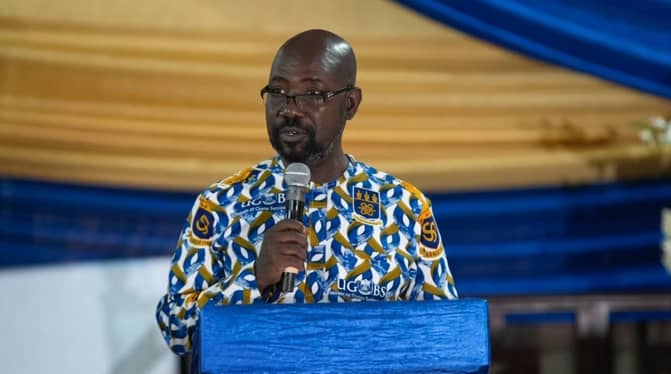
“The future therefore will not belong merely to organisations that acquire technology. It will belong to organisations that develop people who can use technology responsibly, ethically, creatively and sustainably,” he said.
Professor Tweneboah-Koduah noted that institutions of higher learning had an important role to play in preparing graduates for these changing realities.
“Let us develop talent that can lead Ghana’s digital transformation. Let us produce graduates who understand that sustainability is not a slogan but a responsibility,” he said.
For his part, technology entrepreneur and corporate governance expert Kofi Dadzie focused on the implications of artificial intelligence for employment, business and education.
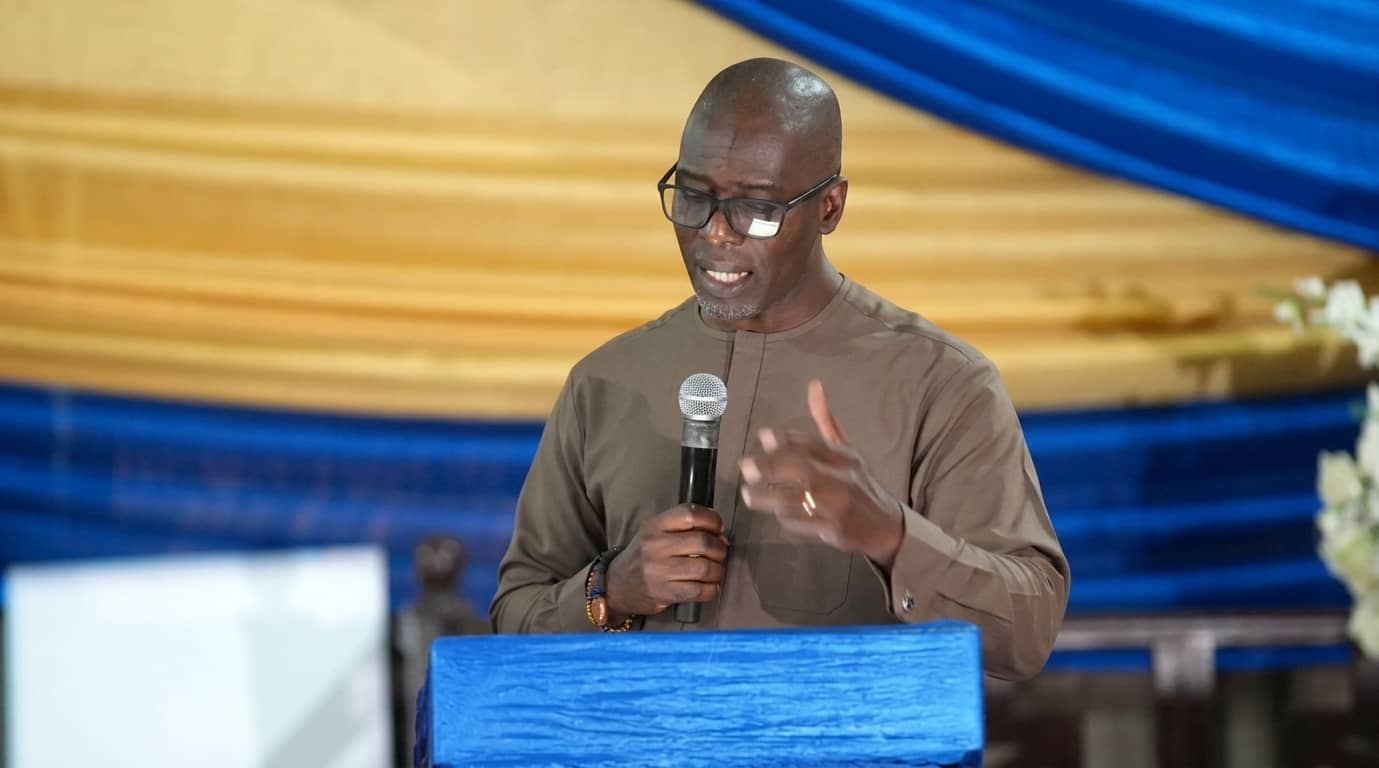 He described the current phase of technological advancement as an “intelligence outbreak” that was changing how knowledge, work and enterprise were organised.
“What we are living through now is an intelligence outbreak and it is rewriting the economics of knowledge, skill, work, enterprise and leadership all at once,” he said.
Mr Dadzie said advances in artificial intelligence required institutions to reconsider the skills and capabilities they prioritised.
He argued that while artificial intelligence would continue to automate certain tasks, there remained an important role for human judgement, ethics, creativity and enterprise.
He also said human resource professionals would play an increasingly strategic role in managing organisational transitions associated with artificial intelligence.
“HR is not a supporting function. In the age of AI, it is one of the main arenas where the future of work will be decided,” he said.