Ghana’s economy expanded by 6.4 per cent in the first quarter of 2026, surpassing the 6.2 per cent growth recorded during the corresponding period last year, with the services sector maintaining its position as the main engine of growth.
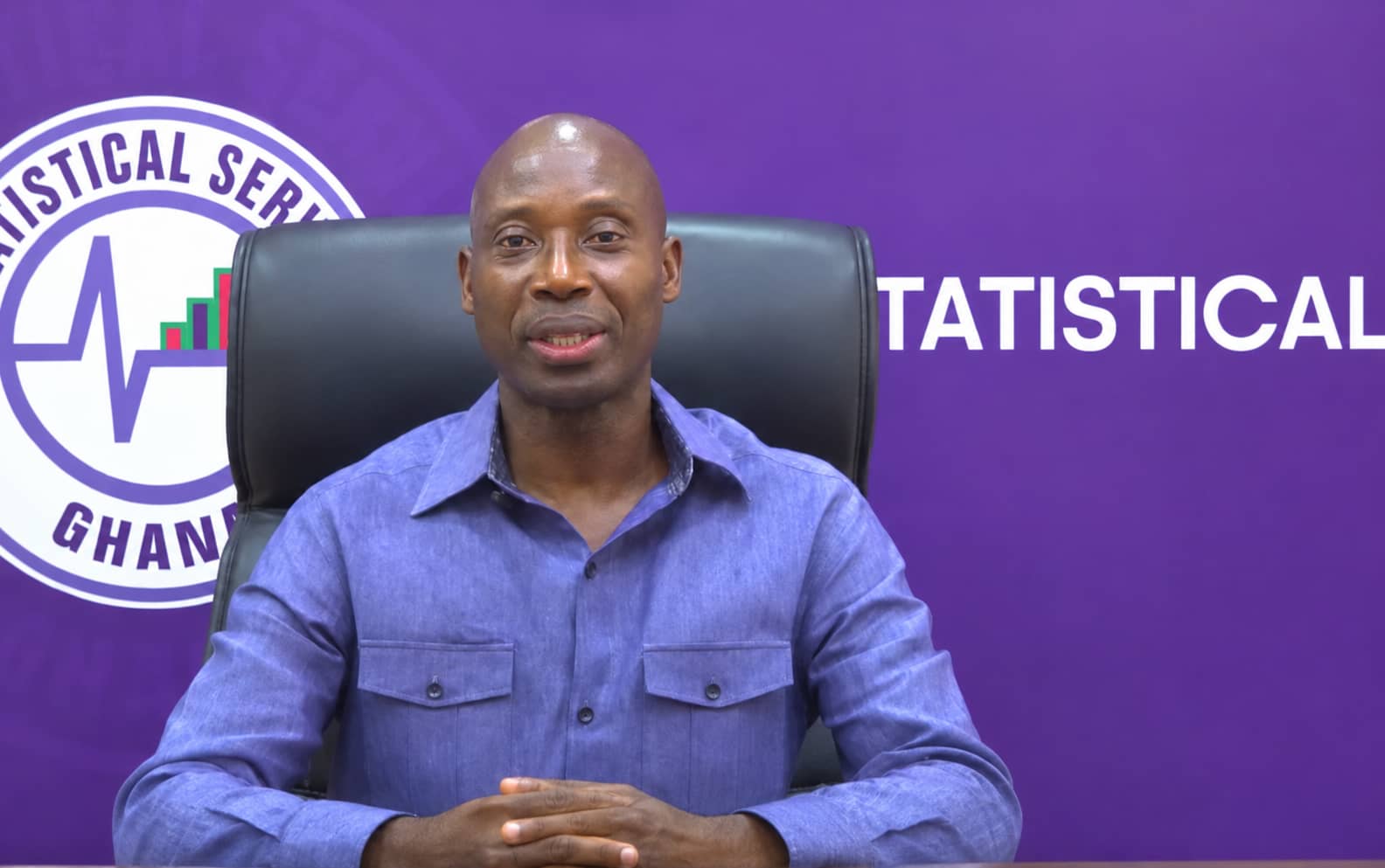
Releasing the provisional Gross Domestic Product (GDP) estimates and the Monthly Indicator of Economic Growth for March 2026 on Wednesday, Government Statistician, Dr. Alhassan Iddrisu, said the figures pointed to continued expansion in economic activity.
“The results show that Ghana’s economy grew by 6.4% in the first quarter of 2026, slightly higher than the 6.2% growth recorded in the same period last year,” he said.
According to the Ghana Statistical Service, non-oil GDP also grew by 6.3 per cent, suggesting that growth remained broad-based across the economy.
The services sector, which accounted for 45.7 per cent of the economy, grew by 7.1 per cent and contributed 48.3 per cent of total growth. Information and communication emerged as the fastest-growing activity, recording a growth rate of 25.2 per cent, while transport and storage expanded by 13 per cent.
Industry contributed 34.1 per cent to overall growth and posted a growth rate of 6.9 per cent, an improvement over the 4.1 per cent recorded a year earlier. The sector’s performance was supported mainly by mining and quarrying, which grew by 10.7 per cent, and a rebound in oil and gas production.
Agriculture, which represented 21.4 per cent of GDP, expanded by four per cent and contributed 13.5 per cent to overall growth, aided by strong performance in forestry and logging.
Dr. Iddrisu said the monthly growth indicators reinforced the positive trend, with economic growth recorded at 6.1 per cent in January, 7.7 per cent in February and 5.4 per cent in March.
“Services remained the main driver of growth throughout the quarter,” he noted.
The GSS identified information and communication, transport and storage, mining and quarrying, trade and repair of vehicles and household goods, and forestry and logging as the top-performing sectors during the period.
However, the report showed that several sectors experienced contractions. Fishing recorded the steepest decline of 18.5 per cent, while accommodation and food service activities contracted by 13.6 per cent. Water and sewage activities, real estate, and health and social work activities also posted negative growth.
“These areas require close attention, as sustained weaknesses in any economic activity can affect jobs, incomes, and future growth prospects,” Dr. Iddrisu cautioned.
He urged government to “sustain macroeconomic stability, strengthen infrastructure, accelerate digital transformation, and address weaknesses in fishing and other declining activities.”
The Government Statistician also encouraged businesses to explore opportunities in fast-growing sectors such as ICT, transport, trade, manufacturing and mining, while urging households to continue rebuilding savings and investing in skills as growth strengthens and inflation moderates.