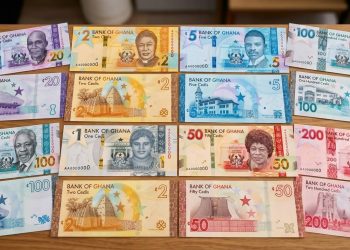
President John Dramani Mahama has described Ghana’s new Cedi Heritage Series as a reflection of the country’s history, cultural identity and collective aspirations, urging citizens to protect the national currency and support efforts to build a stronger economy.
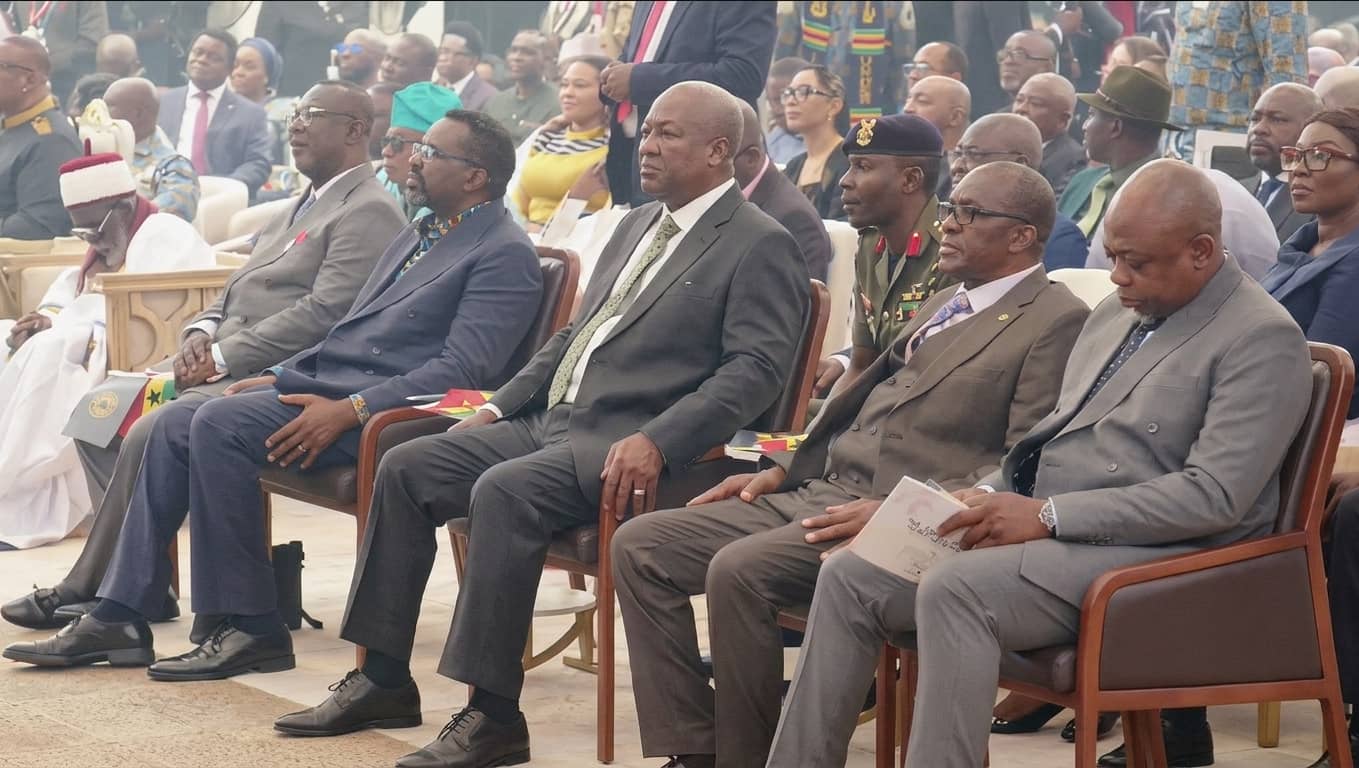
Speaking at the official launch of the upgraded banknotes on Thursday, November 12, 2026, at the Bank Square in Accra, President Mahama said the Cedi represented more than a medium of exchange, serving as a symbol of Ghana’s shared heritage and economic sovereignty.
“For the Ghanaian people, the Cedi has a very practical meaning. It pays for the food that appears on the family table. It keeps our businesses running, and it helps parents put their children through school,” he said.
“It also carries something else that is less easily measured, but deeply important. That is a sense of who we are and what we share as a nation.”
The President traced the origins of the currency’s name to the Akan word for cowrie shells, recalling how cowries were historically used in trade across communities in the country.
He explained that the Heritage Series sought to connect Ghana’s historical experiences with its present aspirations by featuring national personalities, historic landmarks and cultural symbols.
According to him, the new banknotes would serve as everyday reminders of the individuals, institutions and values that shaped the country’s development.
He said the currency could also introduce visitors to Ghana’s history and culture, describing it as “a quiet ambassador for our nation.”
President Mahama added that the banknotes would help bring national history closer to younger generations by encouraging questions, learning and a deeper understanding of Ghana’s past.
Earlier, Governor of the Bank of Ghana, Dr Johnson Pandit Asiama, said the Heritage Series had been designed to bring Ghana’s history and cultural identity to life through distinctive images of national heroes, historic sites, monuments and Adinkra symbols.
At the launch, Director of the Currency Management Department of the Bank of Ghana, Dominic Owusu, explained the thinking behind the themes represented across the new denominations.
He said the GH¢1 note highlighted commerce through the portrait of Agnes Oforiwa Tego Kwaku Pomp, whom he described as the first market woman to support Ghana’s independence and open an account with the then Standard Bank.
The GH¢2 note celebrates religious tolerance through Cardinal Peter Poreku Dery and the Larabanga Mosque, while the GH¢5 note features educationist Dr James Emman Kwegyir Aggrey and Achimota School.
The GH¢10 note highlights justice and equity through the image of Justice Annie Jiagge and the Supreme Court.
Other themes represented in the series include arts and entertainment, nationalism, peace and sovereignty, with personalities and landmarks such as Kofi Annan and Ghana’s first President, Dr Kwame Nkrumah, featuring in the designs.
President Mahama said the introduction of the new currency must also be accompanied by efforts to strengthen the productive foundations of the economy.
He linked the Cedi’s future strength to his government’s proposed $10 billion, four-year New Economy Programme, which he said was aimed at transforming the structure of the Ghanaian economy.
“We are working towards an economy that produces more of what we consume, it processes more of what we grow, and earns more from what we export to the world,” he stated.
He explained that expanding domestic production and diversifying exports would create jobs, reduce dependence on imports and ease pressure on foreign exchange.
The President maintained that disciplined public finances and credible monetary policies would also be necessary to build a stronger and more stable currency.
“The strength of our currency must be felt in the everyday lives of our people,” he stressed.
He urged Ghanaians to see the Heritage Series as a reminder of their shared national identity, irrespective of political, religious or ethnic differences.
“Let us carry the Cedi with pride and uphold the confidence on which it rests, so that it continues to serve Ghana securely and well for generations to come,” he said.