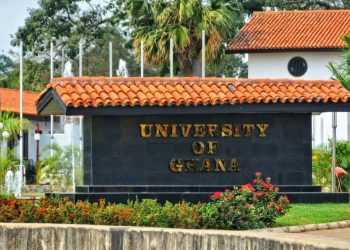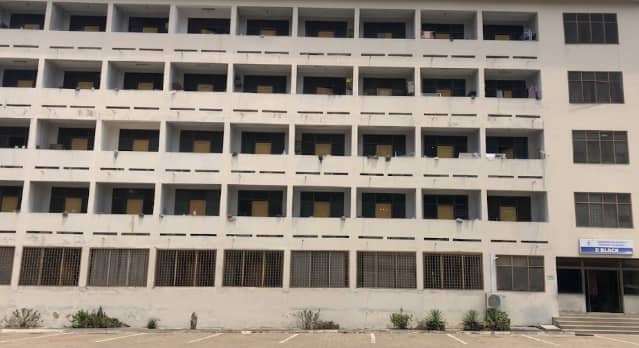
The University of Ghana (UG) has defended accommodation fees charged by its commercial subsidiary, University of Ghana Enterprises Limited (UGEL), citing loan repayment obligations, maintenance costs and the need to sustain its residential facilities.
In a statement dated November 19, 2026, the University said several UGEL-managed halls were constructed through commercial loans at a time when public funding was inadequate to meet the demand for student accommodation.
It said the fees charged were therefore intended to cover debt repayment, utilities, maintenance and other operational expenses.
For the 2026/2027 academic year, Management said it had reduced the proposed fee increase for standard four-bed rooms from 26% to 15% following consultations with student leadership.
The adjustment brings the annual accommodation fee in the four Diaspora halls from GH¢7,000 to GH¢8,050 per student.
“The University does not exist to profit from its students,” Management said, adding that it remained committed to ensuring that accommodation fees were as affordable as possible and did not impose undue financial pressure on students.
However, it said maintaining the residential facilities’ financial viability was equally important, warning that unsustainable debt or the closure of halls could deprive thousands of students of safe and convenient on-campus accommodation.
“Management will therefore continue to balance affordability with long-term sustainability, exercising both sensitivity and responsibility in its decisions,” the statement said.
The University acknowledged the financial burden accommodation costs placed on students and their families but said it also had a responsibility to maintain the facilities and ensure the sustainability of its residential accommodation system.
It welcomed an initiative by the Minister for Education for the Ghana Tertiary Education Commission (GTEC) to engage the Rent Control Department on the regulation of tertiary student accommodation fees.
UG said it was ready to participate in the discussions and provide financial and operational information to help determine a fair and sustainable fee for student accommodation.
Management also pledged continued engagement with the Students’ Representative Council (SRC) and the Graduate Students’ Association of Ghana (GRASAG-UG) on accommodation fees and conditions.
It encouraged students experiencing financial difficulties to seek assistance through UGEL and the Student Financial Aid Office.