Ghana’s economy expanded by 5.5% in the third quarter of 2025, driven largely by strong growth in agriculture, services, and non-oil activities, according to provisional figures released by the Ghana Statistical Service.
Although the rate is slower than the 7% recorded in the same period last year, officials say the latest data point to broad-based improvements across the economy.
Government Statistician Alhassan Iddrisu said nominal GDP rose to GH¢339.4bn, up from GH¢293.1bn a year earlier, while non-oil nominal GDP reached GH¢331.5bn, reflecting the economy’s growing reliance on non-oil sectors. Real GDP also increased, rising to GH¢50.8bn compared with GH¢48.2bn in the third quarter of 2024.
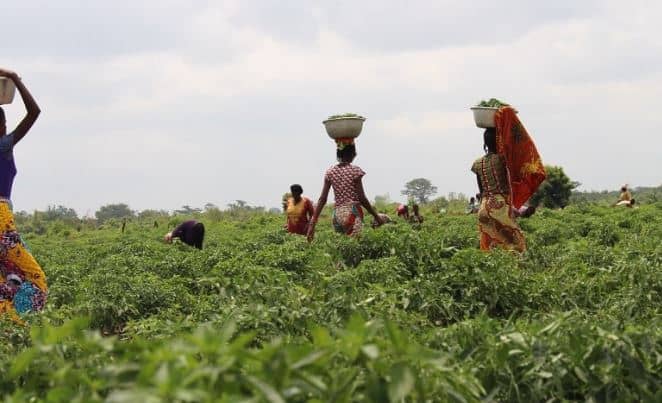
Agriculture recorded the strongest performance, expanding by 8.6% following a sharp rebound in the fishing sub-sector, which grew by 23.1% after contracting last year. Analysts say the improvement is likely to ease food-price pressures.
Industry, however, posted a weak 0.8% growth, dragged down heavily by an 18.2% contraction in the oil and gas sector. Mining and quarrying also fell, though manufacturing remained resilient with growth of 3.9%.
The services sector, which makes up about 40% of the economy, continued to drive overall output with growth of 7.6%. ICT remained the standout performer, expanding by 17% and contributing significantly to total GDP growth.
Key contributors to economic expansion included ICT, crops, trade, transport, manufacturing, and education, which together accounted for more than 80% of growth. Fishing, ICT, and transport were among the fastest-growing sub-sectors, while oil and gas, health, and accommodation services recorded notable contractions.
The Statistical Service said slower growth in the GDP deflator indicated some easing in prices. It urged households to take advantage of improving food conditions to rebuild savings, encouraged businesses to redirect investments toward high-performing sectors, and advised policymakers to address the downturn in the oil and gas sector while strengthening support for ICT, trade, transport, and agriculture.