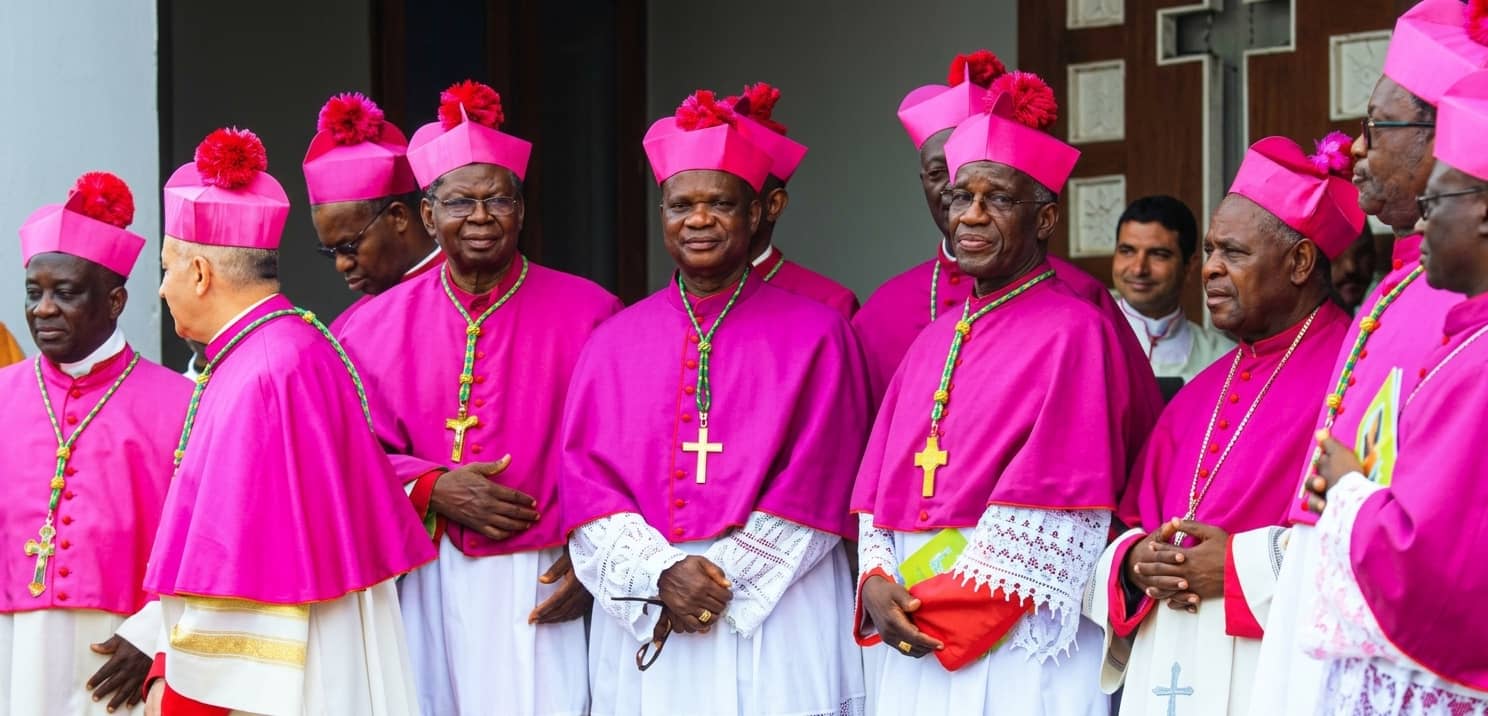
The Ghana Catholic Bishops’ Conference has backed calls for Parliament to scrutinise Ghana’s systems for detecting and preventing drug trafficking at the country’s ports and borders, describing the proposed parliamentary intervention as “legitimate and necessary”.
The Conference said Parliament’s oversight should help establish whether existing scanning, surveillance and clearance procedures are adequate following the seizure of nearly 3.9 tonnes of cocaine by French customs authorities from a container that had arrived from Ghana.
In a press statement issued on Monday, September 21, the Bishops welcomed a memorandum submitted by more than 40 Members of Parliament seeking the recall of the House from recess to examine the circumstances surrounding the cocaine shipment and the wider narcotics problem.
“We welcome Parliament’s exercise of its oversight function,” the Conference said, adding that the proposed scrutiny was “a legitimate and necessary step”.
The MPs’ memorandum, dated September 18, invoked Article 112(3) of the 1992 Constitution and Order 53 of Parliament’s Standing Orders. The Bishops said the proposed sitting should proceed without delay and should focus on institutional accountability rather than partisan considerations.
“We urge that any sitting proceed without delay, with the sobriety proper to a matter of this gravity rather than partisan point-scoring, and that every institution cooperate fully and transparently,” the statement said.
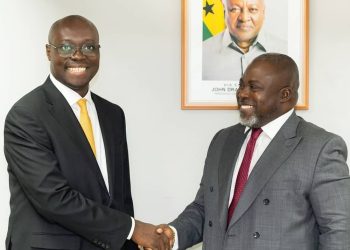
The Conference called for the Ministers for the Interior, Transport and National Security, together with the Narcotics Control Commission, Ghana Ports and Harbours Authority, Ghana Revenue Authority, Ghana Immigration Service and National Intelligence Bureau, to account for the adequacy of systems at Ghana’s ports and airports.
The call comes after French customs intercepted the cocaine shipment at Dunkirk on September 10. The drugs, estimated to be worth €225 million, were concealed in a container carrying plastic waste that had arrived from Ghana. Four Ghanaians have subsequently been arraigned in Accra and remanded to reappear on October 13.
The Bishops said the incident should prompt questions about how the shipment allegedly left Ghana without detection and whether the country’s border-control systems were sufficiently equipped to identify illicit consignments.
“Investigations must establish how such a consignment left Ghana through legitimate commercial channels,” the Conference said.
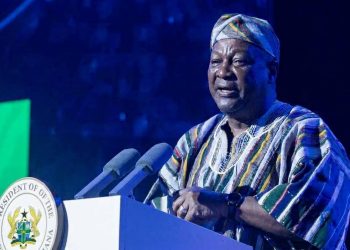
Beyond parliamentary scrutiny, the Bishops welcomed President John Dramani Mahama’s formation of an inter-agency task force to address narcotics trafficking through Ghana’s ports, airports and borders. The Conference said stronger coordination among state institutions and international law-enforcement agencies was necessary to disrupt transnational trafficking networks.
It urged cooperation with INTERPOL and Europol and called for authorities to trace the financial structures supporting the illicit drug trade.
The Bishops also stressed that enforcement should be accompanied by prevention and rehabilitation, particularly for young people affected by drug abuse.
They called on the government to strengthen drug-prevention and treatment programmes, expand rehabilitation services and address poverty and unemployment that can leave people vulnerable to trafficking.
The Conference further appealed to Catholic parishes, schools and youth organisations to intensify drug-prevention education and mentorship, while urging families to maintain close communication with young people.
“The response must be firm and lawful, but also preventive, rehabilitative and rooted in respect for human dignity,” the Bishops said.
The Conference said the recent seizure, other narcotics interceptions linked to Ghana, arrests at Tema Port and the proposed parliamentary scrutiny should strengthen national efforts to confront drug trafficking while protecting constitutional rights and judicial independence.