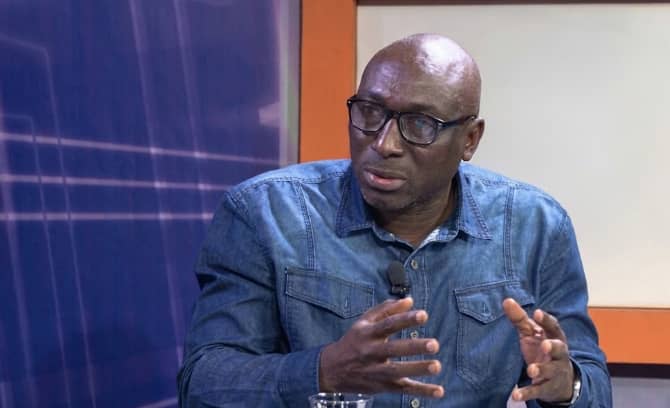
The Director-General of the National Road Safety Authority (NRSA), Abraham Amaliba, has said automated traffic enforcement cameras under the TraffiTech-GH system will be deployed only on roads and streets with appropriate road signs and clearly established speed limits.
He said Ghana must first address deficiencies in its road infrastructure before applying advanced digital enforcement technologies to monitor motorists.
Speaking on Joy FM’s Super Morning Show on Wednesday, November 4, 2026, Mr Amaliba said: “We cannot apply 21st-century digital policing to broken-down, 19th-century infrastructure.”
He explained that the deployment of the cameras would be limited to routes where road signs and speed limits are properly provided.
“We will deploy the TraffiTech cameras only on routes and streets that have road signs and speed limits,” he stated.
His comments come days after the official rollout of the TraffiTech-GH automated traffic enforcement system on November 1, 2026, as part of efforts to strengthen road safety and improve compliance with traffic regulations.
The system uses automated cameras to detect traffic violations, including speeding and running red lights, without requiring direct physical intervention by police officers.
Mr Amaliba also clarified that under the automated enforcement arrangement, vehicle owners will be held responsible for traffic violations committed using their vehicles, irrespective of who was driving at the time.
This means that traffic tickets and associated financial penalties will be directed to the registered owners of vehicles, making it important for owners to ensure that anyone using their vehicles observes road traffic regulations.
On the consequences of repeated traffic violations, the NRSA boss highlighted provisions under the Road Traffic Regulations, 2026 (L.I. 2519), which provide for the revocation of a driver’s licence after six infringements of the same traffic regulation.
He explained that the offences are cumulative and do not necessarily have to occur within one calendar year, meaning violations committed over several years could result in the revocation of a driver’s licence.
Mr Amaliba, however, stressed that the principal objective of the automated enforcement system was to change motorists’ behaviour and reduce road crashes rather than unnecessarily withdraw driving licences.