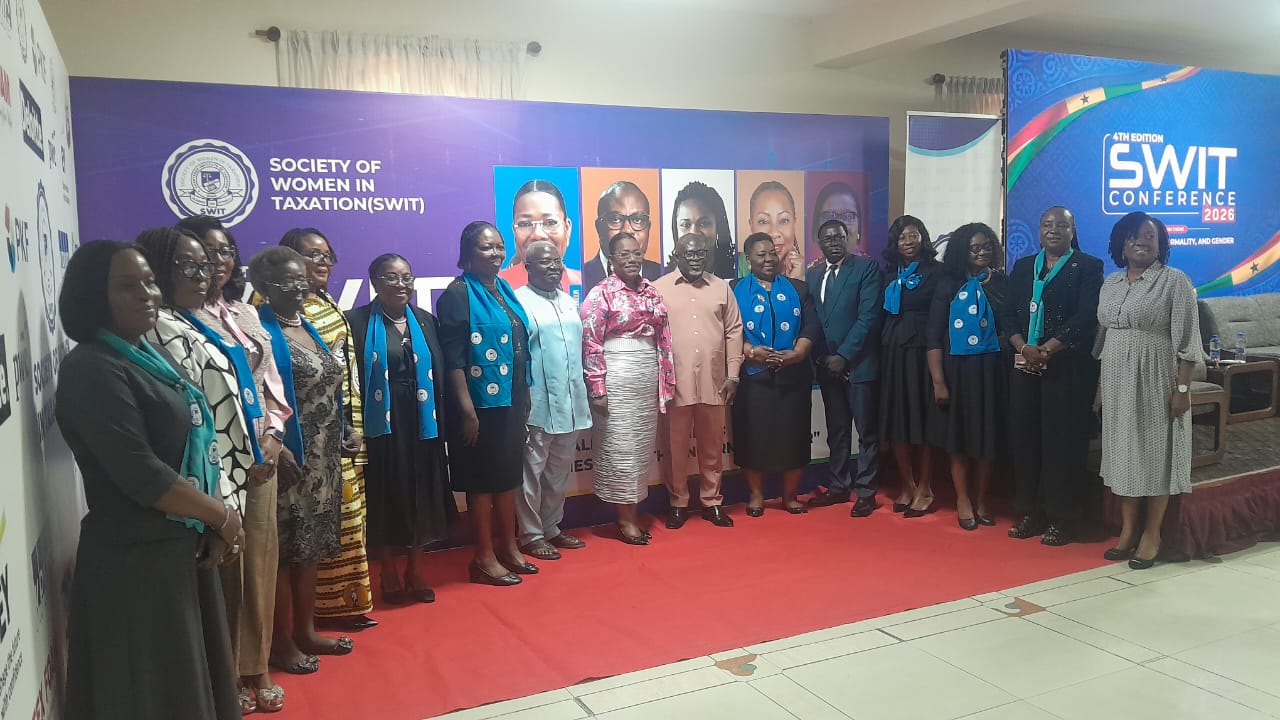
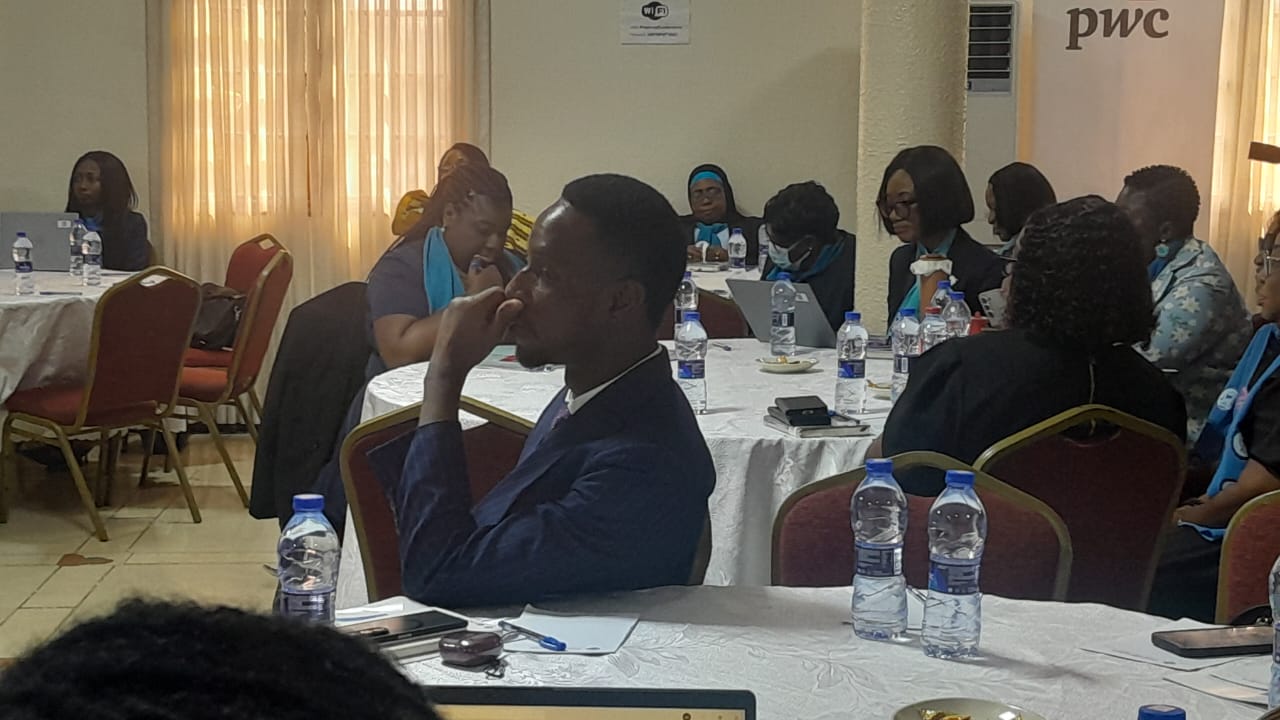
Gender-responsive tax reforms, financial inclusion and measures to formalise women-led businesses dominated discussions at the 4th Edition of the Society of Women in Taxation (SWIT) Conference held in Accra on Tuesday, August 18, 2026.
The conference, held under the theme “Tax Reforms, Informality and Gender: Implications for Women-Led Businesses in the Informal Sector” and the sub-theme “Financial Wellness: The Panacea to a Secured Future,” brought together tax administrators, legal practitioners, government officials and financial professionals to examine how Ghana’s tax system can better respond to the realities of women operating in the informal economy.
Delivering the keynote address, Commissioner-General of the Ghana Revenue Authority (GRA), Anthony Kwasi Sarpong highlighted the significant contribution of women to Ghana’s informal economy, particularly in major commercial centres including Makola, Kantamanto, Kumasi and Tamale.
Citing data from the Ghana Statistical Service’s Integrated Business Establishment Survey (IBES), he said women account for 84 percent of informal commerce and 77 percent of mobile money business operations in Ghana.
He further noted that women-led enterprises represent about 40 percent of Africa’s self-employed population and contribute approximately 15 percent of the continent’s total GDP.
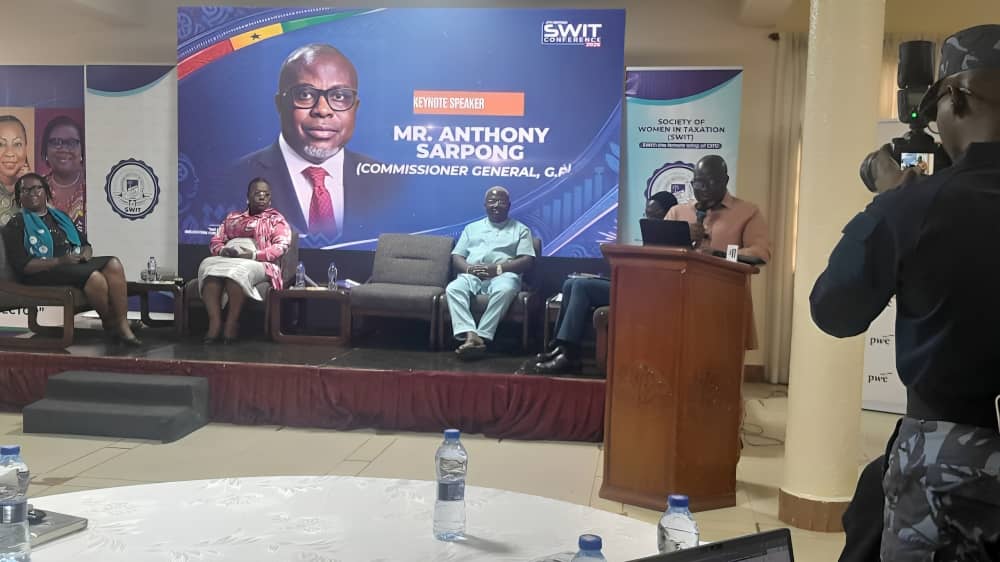
Sarpong said bringing women-led businesses into the formal economy could generate benefits beyond tax revenue by improving access to finance, strengthening business records and creating employment.
“When a woman-led business is free from the burden of informality, when she is brought into the tax net on fair and simplified terms, she does not merely grow her own enterprise. She hires others, formalizes her records, builds a credit history, and her success ripples through her household, her community, and ultimately the national revenue base.”
He stressed that the GRA’s current strategy was focused largely on improving compliance with existing tax laws rather than introducing new taxes.
Among the measures he highlighted were the implementation of the Fiscal Electronic Devices Act, the planned digital VAT system for e-commerce and the Integrated Tax Administration System (ITAS).
ITAS is designed to improve information sharing by connecting GRA databases with those of institutions including the Registrar General’s Department, the Social Security and National Insurance Trust (SSNIT) and the Driver and Vehicle Licensing Authority (DVLA).
The President of the Chartered Institute of Taxation Ghana, Mrs Ernestina Christina Appiah, said gender-responsive tax policy should go hand in hand with financial education and responsible financial management.
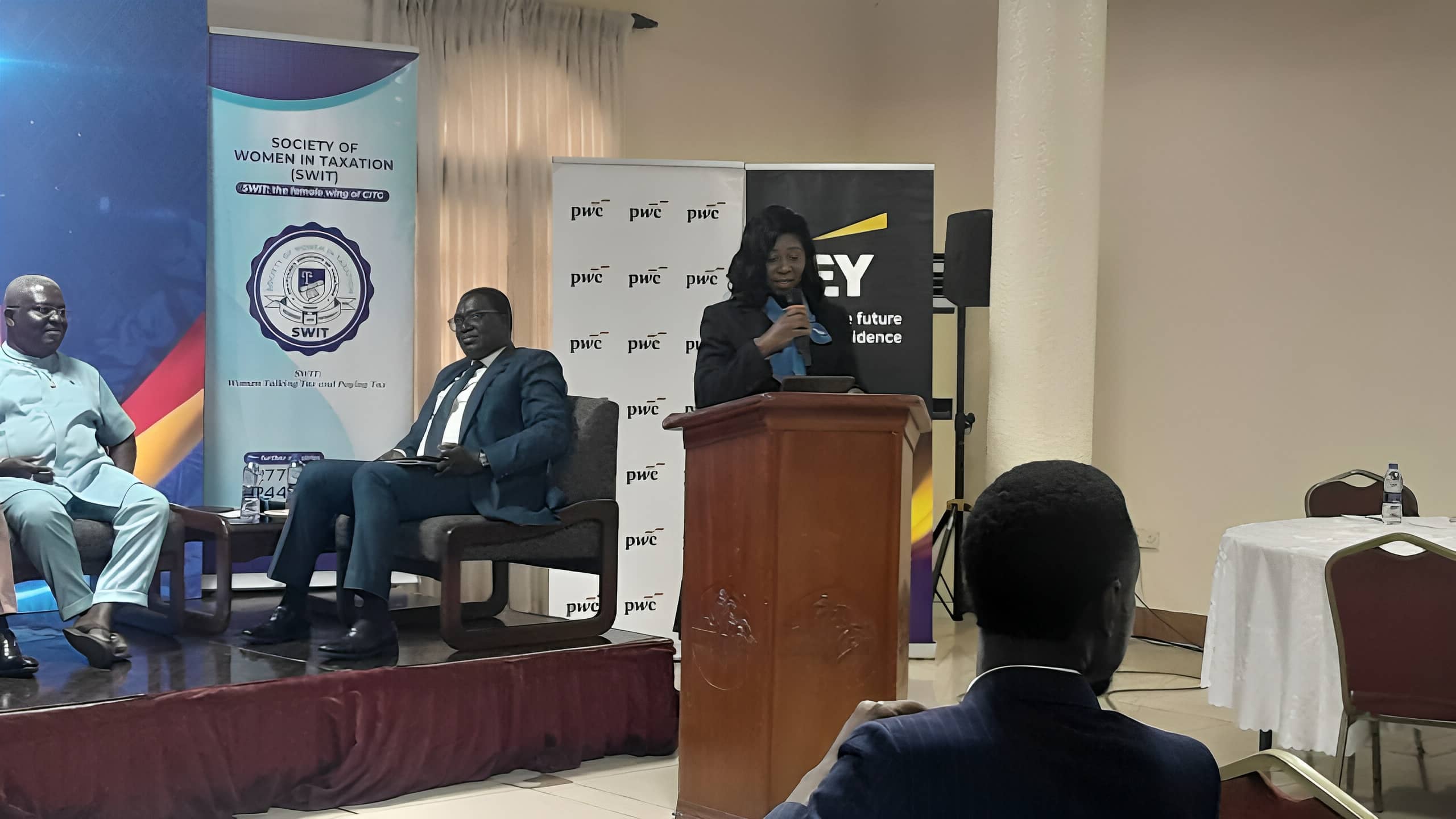
She commended SWIT for maintaining a platform that promotes tax literacy, gender inclusion and ethical tax practice, while emphasising that financial literacy was critical to the long-term survival and growth of informal businesses.
“A tax system that recognizes the unique challenges faced by women entrepreneurs not only promotes fairness but also strengthens economic resilience and sustainable development,” Mrs Appiah said.
She said greater financial knowledge could enable informal operators to make better decisions on savings, investment, borrowing and capital accumulation.
Madam Esi Sam, Chairperson of SWIT Ghana and Regional Chairperson for SWIT West Africa, placed the discussions within the broader context of tax administration across the ECOWAS sub-region.
She said supporting women-led businesses could generate wider social and economic benefits, including poverty reduction, improved household nutrition and health outcomes, and stronger local economies.
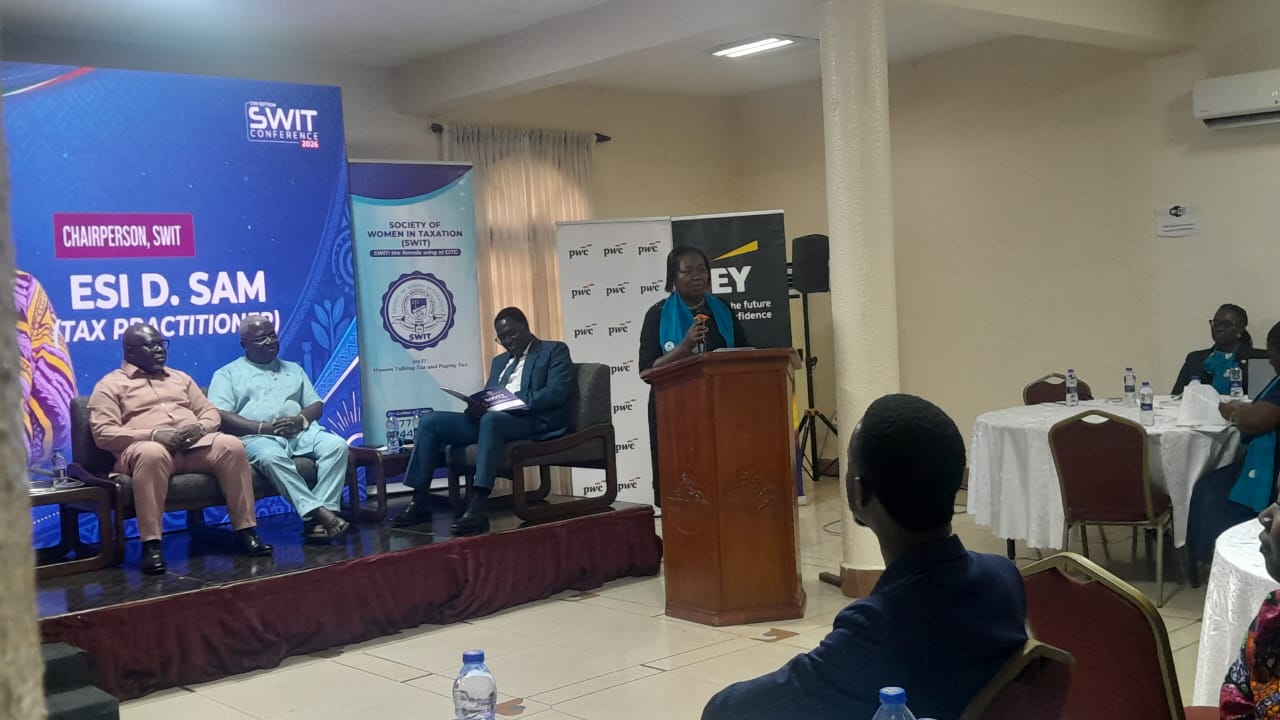
“When women-led businesses in the informal sector thrive, it brings about poverty reduction, household nutrition, health improvements, and local economies get a boost,” Madam Sam said.
She reaffirmed SWIT’s commitment to working with revenue authorities and stakeholders in Ghana, Nigeria, Senegal and Benin to share experiences and promote effective approaches to gender-responsive tax administration.
Speaking on behalf of the government, Deputy Chief of Staff (Administration) at the Office of the President, Nana Oye Bampoe Addo drew attention to the multiple financial and administrative burdens confronting women operating in local markets.
She said market women often faced several overlapping charges, including shop rents, local assembly fees, hawker licences, security charges and sanitation fees.
“Too often the market woman has little or no support and is met with disorder and oppressive structures,” Addo said.
She argued that the multiplicity of charges, coupled with inadequate tax education, could make it difficult for women to distinguish legitimate obligations from irregular collections.
“Market women are taxed multiple times by different collectors… Poor tax education also leaves many women unable to question irregular charges,” she added.
As part of efforts to address the financing and infrastructure challenges confronting women entrepreneurs, Addo outlined prospective government interventions, including the establishment of a dedicated Women’s Development Bank to provide accessible credit at lower interest rates.
She also pointed to plans for 24-hour market infrastructure across districts as part of broader efforts to create safer and more productive commercial environments for traders.
Conference Chairman and Immediate Past President of CITG, George Ohene Kwatia, attributed the high concentration of women in the informal economy partly to its relatively low entry barriers, limited initial capital requirements and flexible working hours that allow women to combine business activities with household responsibilities.
He said digital tax reforms such as e-VAT and electronic filing could improve convenience and administrative efficiency, but cautioned that tax authorities must ensure that the tools introduced are appropriate to the technological capacity of micro-traders.
The discussions reinforced the need for tax reforms to go beyond revenue mobilisation and address the practical conditions under which informal businesses operate.
Participants called for stronger institutional partnerships between tax authorities, market associations and other stakeholder groups, with greater emphasis on education, transparency and incentives to encourage voluntary compliance rather than relying primarily on enforcement.