Ghana needs sustained peace advocacy throughout the year rather than campaigns that intensify only during elections or after violence has occurred, the Country Director of the International Association of World Peace Advocates (IAWPA), Ghana Chapter, Ambassador Sam Ben Owusu, has said.
He said proactive engagement with schools, religious institutions, traditional authorities and other organisations was necessary to strengthen peaceful coexistence and prevent conflicts before they escalated.
Speaking at the Global Peace Leaders Summit 2026 in Accra on Wednesday, October 14, Ambassador Owusu said the association was working to broaden public participation in peacebuilding through the mobilisation of peace ambassadors, advocates and volunteers.
“We don’t need to wait for election time before we start talking about peace. We need to begin the conversation before the issues start picking up,” he said.
He disclosed that about 15 people, comprising five eminent peace ambassadors, five peace advocates and five volunteers, were expected to support the initiative by engaging communities, schools, churches, mosques and other institutions.
Ambassador Owusu said the National Peace Council alone could not shoulder the responsibility of promoting peace, stressing the need for more individuals and organisations to help propagate the message.
He also expressed concern about Ghana’s reported decline in global peace rankings, attributing the situation to issues including gun violence, illegal mining, hate speech and concerns surrounding security operations.
Although Ghana continued to enjoy relative peace, he said, the reported decline was a reminder that peace could not be taken for granted.
Ambassador Owusu further called for responsible use of social media, warning against the tendency of users to present themselves as experts on issues without adequate knowledge.
However, he stressed the need to balance efforts to address misinformation with the protection of freedom of expression, cautioning that the handling of media practitioners could also affect the country’s peace and international image.
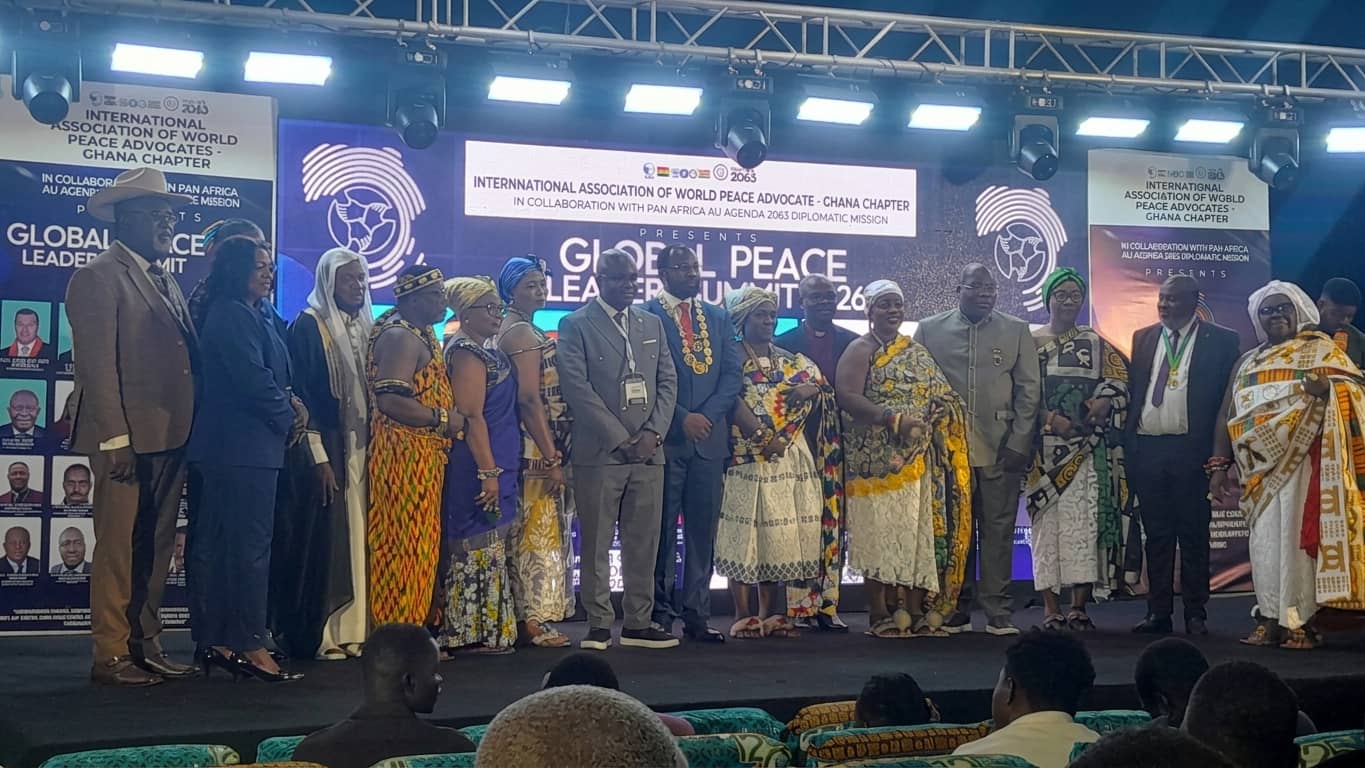
The summit, organised by the IAWPA Ghana Chapter in collaboration with the Pan Africa AU Agenda 2063 Diplomatic Mission, was held under the theme: “Advancing Peace, Responsible Leadership and Sustainable Development: The Role of State and Non-State Actors in Achieving AU Agenda 2063 and the UN SDGs.”
It brought together peace advocates, religious and traditional leaders, diplomats and other stakeholders to discuss conflict prevention, responsible leadership, youth participation and sustainable development.
Traditional and religious leaders urged to promote tolerance
Founder and Chief Executive Officer of Amen Scientific Herbal Centre, Sheikh Amin Bonsu, called on traditional leaders to mediate disputes promptly before they developed into major conflicts.
He also urged traditional authorities to minimise or eliminate celebratory gunfire during cultural events, arguing that Ghana’s rich cultural heritage was sufficient to demonstrate honour without resorting to firearms.
Sheikh Bonsu appealed to religious leaders to strengthen interfaith dialogue and teach children from different religious backgrounds to respect one another and live peacefully together.
He said instilling tolerance in children would help sustain peaceful relations as they grew into adulthood.
He further urged African leaders and policymakers to apply existing conventions and agreements aimed at maintaining peace and promoting development across the continent.
On Ghana’s electoral process, Sheikh Bonsu called for measures to reduce the cost of running elections, arguing that excessive campaign financing could expose political leaders to undue influence from their financial backers.
He said reducing election expenditure could contribute to a healthier democratic process.
Sheikh Bonsu, who received recognition at the summit for his peace advocacy, said his work included mentoring young people and encouraging interreligious understanding through teachings from the Quran and Hadith.
He also highlighted his book exploring commonalities between Christianity and Islam, saying it was intended to promote mutual respect and understanding between the two faiths.
The summit also featured the recognition and induction of peace ambassadors as part of efforts to encourage individuals and institutions to contribute to peacebuilding.
The organisers said the initiative was intended to strengthen cooperation among state and non-state actors in advancing the African Union’s Agenda 2063 and the United Nations Sustainable Development Goals.