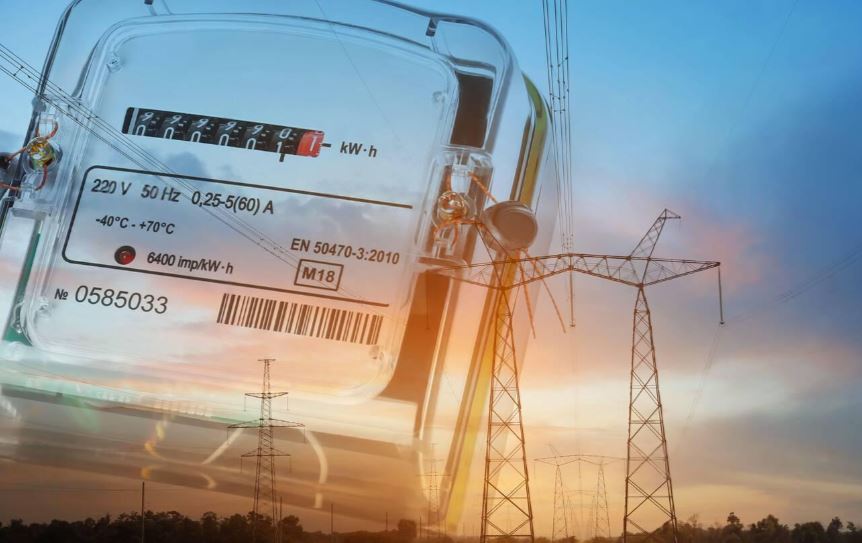
Across Ghana, a perplexing contradiction has sparked heated discussions. The Energy Commission celebrates a stable electricity supply, even touting a barter deal with Nigeria to trade gas for power. Yet, almost simultaneously, the Electricity Company of Ghana (ECG) proposes a massive tariff hike that could double or triple bills. Families, shop owners, and policymakers ask: if power is so reliable, why are costs spiralling? The answer lies in a financial strain strangling the distribution system. While power generation thrives, delivering electricity to homes and businesses is a money-losing operation. This article examines the paradox and proposes a practical capitalist framework.
A Stable Supply
Ghana’s power generation is a success story. In August 2025, Energy Minister John Jinapor, announced negotiations with Nigeria for a barter deal. Nigeria would supply gas to fuel Ghana’s power plants, and in return, Ghana would send surplus electricity back, avoiding cash payments. This builds on Ghana’s exports to Togo, Burkina Faso, Côte d’Ivoire, and Benin, proving the country has excess capacity (1). The deal aims to eliminate outages tied to past gas shortages by securing affordable fuel without draining foreign reserves. With talks progressing toward a formal agreement, this move signals a robust and reliable supply (1). It’s a step toward regional energy cooperation, promising stability for Ghana’s grid.
The Tariff Shock
Then comes the sting. In September 2025, ECG proposed a 225% increase in its Distribution Service Charge (DSC1), raising it from 19.0384 pesewas per kilowatt-hour to 61.8028 pesewas for 2025-2029 (2). Other utilities pitched even steeper hikes, averaging up to 690%, now under review by the Public Utilities Regulatory Commission (PURC) (2). This follows a modest 2.45% adjustment in July 2025, making the new proposal a tough sell (3). ECG argues that an increase is essential to avoid financial collapse, warning that service reliability could falter (2). Lawmakers counter that it burdens consumers grappling with economic hardship (3).
The Missing Link
So, why the disconnect? Ghana’s power plants run smoothly, and the barter deal secures cheaper fuel. However, ECG’s distribution system is a financial sieve. Old debts from underpriced tariffs have snowballed, weighing heavily on operations (4). The cedi depreciated significantly from 2022 to 2024, losing over 55% against the dollar in 2022 alone, though it has appreciated in 2025, shrinking ECG’s ability to cover dollar-based costs like imported equipment (5). Worst of all, 27% of generated power is lost to theft, illegal connections, and aging infrastructure. This loss is far above global standards (4). ECG aims to reduce this to 22% by 2029, but that requires funds it lacks (4). The barter deal helps with fuel costs but doesn’t plug these leaks. A stable supply exists, but delivering it affordably is the real challenge.
A Capitalist Framework for Resolution
To break this cycle, Ghana needs a capitalist lens that harnesses private enterprise and profit incentives to drive efficiency and attract investment. This approach, proven in utility reforms across developing countries, prioritizes market mechanisms over state dominance (6). First, introduce cost-reflective tariffs gradually, allowing ECG to generate profits that fund upgrades—much like how unbundling generation, transmission, and distribution has enabled competitive pricing in reformed sectors (7). This ensures prices signal actual costs, encouraging conservation and reducing subsidies that distort markets.
Second, foster public-private partnerships (PPPs) for infrastructure. Private firms could invest in smart grids and metering, taking equity stakes in exchange for operational control. With over a million smart meters installed, scaling this through PPPs could cut losses by detecting theft in real time, boosting revenue without relying solely on hikes (4). Profit-sharing models would motivate private players to minimize waste, as seen in successful reforms where privatization improved efficiency by 10-20% (6).
Third, implement performance-based incentives. Tie ECG executives’ compensation to metrics like loss reduction and collection rates, aligning personal gains with company success. This capitalist tool transforms bureaucracy into a results-driven entity, potentially achieving 97% collection rates as in privatized utilities (8). Deregulate entry for independent distributors in underserved areas, sparking competition that lowers costs and improves service.
Finally, the sector should be liberalized to attract foreign capital. Ghana could draw billions in FDI for grid modernization by guaranteeing returns through clear regulations. This market-oriented strategy addresses financial leaks and creates jobs and economic growth, turning ECG from a drain into a profit engine.
A Path Forward
These capitalist measures are practical and within reach. PURC’s upcoming hearings offer a platform for Ghanaians to demand transparency—tie tariff increases to efficiency gains and private investments, not just debt repayment (3). Ghana’s nuclear ambitions promise future stability (1). For now, ECG must embrace market forces. By doing so, Ghana can resolve the paradox, delivering reliable, affordable power through capitalist innovation.
Article by
Benjamin Cobbinah
He has an MPhil from KNUST in Ghana, with research interests in Sustainable Entrepreneurship and Energies in the Global South. His work has been published in the Journal of Business Research. He advocates for Liberty and is a volunteer policy scholar at the YAFO Institute.
DISCLAIMER: The views, comments, and contributions made by readers or contributors on this website do not necessarily represent the position or views of The Sikaman Times. The Sikaman Times will not be responsible or liable for any inaccurate or incorrect statements made by readers or contributors on this website.
*****
Never miss out on the news. Get your valuable breaking news and other vital content by following The Sikaman Times on WhatsApp Channel
*****