The government has reaffirmed its commitment to supporting the timely passage of the Persons with Disabilities Bill 2026, describing the proposed legislation as an important step towards strengthening the protection and promotion of the rights of persons with disabilities.
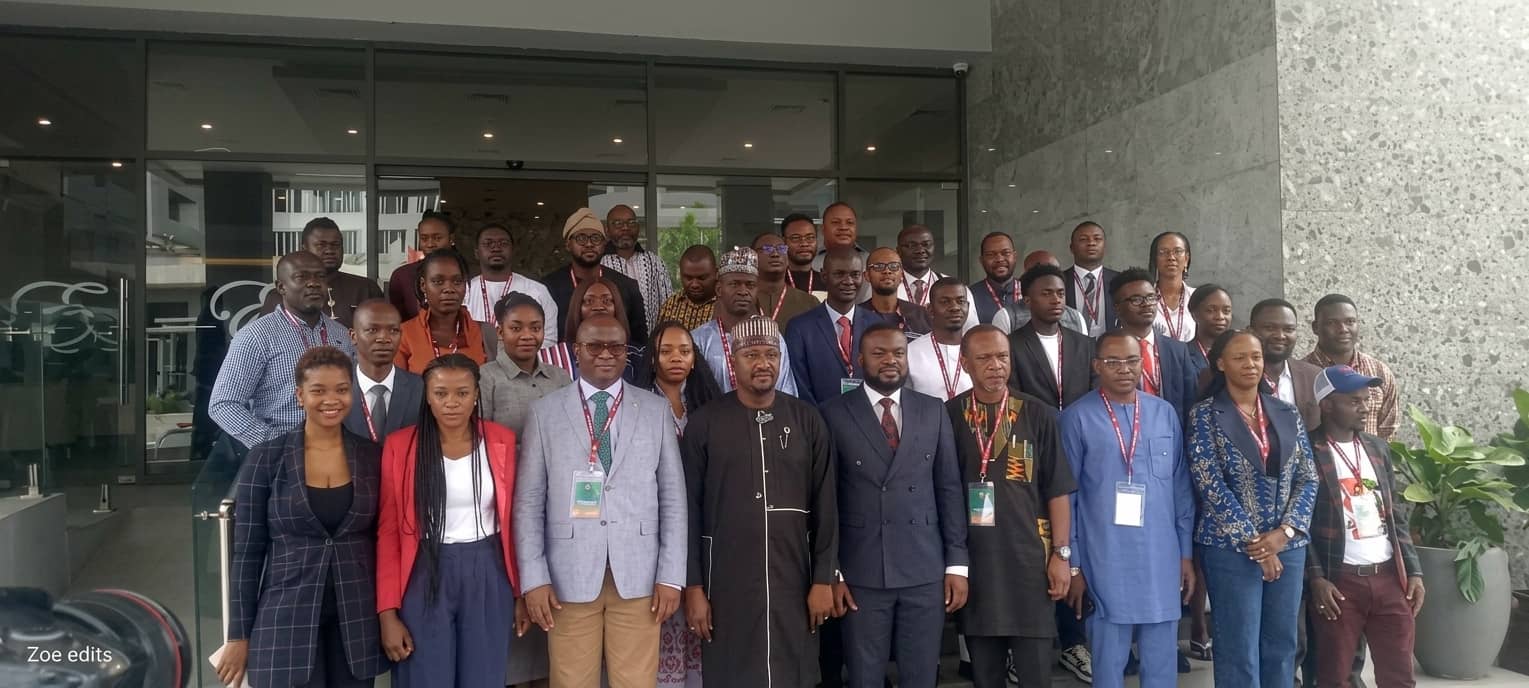
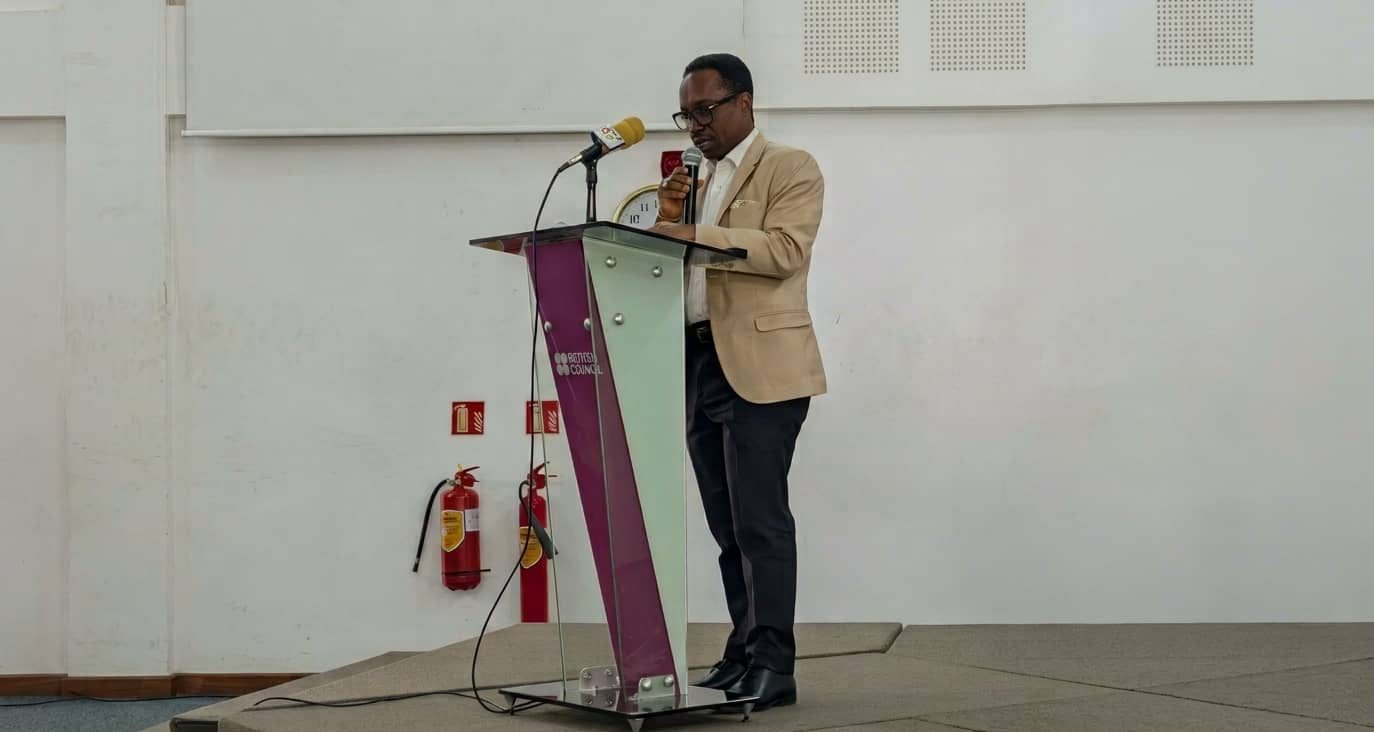
Speaking on behalf of the Minister for Gender, Children and Social Protection at a National Stakeholders Advocacy Dialogue in Accra on Wednesday, September 23, 2026, Executive Secretary of the National Council on Persons with Disabilities (NCPD), Edwin Kweku Andoh, said the government recognised the need to update Ghana’s disability legislation to reflect contemporary realities.
The dialogue formed part of activities marking the International Week for the Deaf, observed globally from September 21 to 27 under the theme, “Declaring Deaf People’s Human Rights.”
Andoh said the Persons with Disabilities Act, 2006 (Act 715), had provided an important national framework for protecting the rights of persons with disabilities, but argued that nearly two decades of implementation had highlighted the need for legislative reform.
“After nearly two decades of the implementation of Act 715, this has clearly strengthened our legislative framework to ensure that it adequately responds to contemporary realities and it is aligned with Ghana’s Constitution and all our international obligations,” he said.
He said the proposed Bill provided an opportunity to strengthen provisions relating to equality and non-discrimination, accessibility, inclusive education, healthcare, rehabilitation, employment, economic empowerment, social protection, political and civic participation, access to justice, information and communication, public infrastructure and transportation.
Andoh stressed that persons with disabilities should be recognised as rights holders rather than recipients of assistance.
“They are now citizens with equal dignity and equal entitlement to the protection of the law,” he said, noting that persons with disabilities contribute to families, communities and the national economy as students, teachers, entrepreneurs and innovators.
He identified inaccessible infrastructure and transportation, limited access to information and communication, exclusion from employment opportunities, inadequate access to education and healthcare, and discriminatory attitudes among barriers that continue to restrict participation.
He also emphasised the principle of “nothing about us without us”, saying persons with disabilities and their representative organisations must be active participants in policy formulation, legislation, implementation, monitoring and evaluation.
Meanwhile, Executive Director of the Ghana National Association of the Deaf (GNAD), Juventus Duorinaah, called for greater emphasis on the skills and abilities of persons with disabilities in employment.
“We want to see their skill and use based on that to employ them, give them the opportunity that they also deserve,” he said.
Duorinaah said stakeholders had demonstrated commitment to the proposed legislation and expressed hope that Parliament would expedite the process and pass the Bill into law by the end of 2026.
He added that organisations of persons with disabilities would continue to follow the parliamentary process and monitor commitments made by stakeholders.