Ghana’s extended period of easing price pressures has encountered a mild reversal, as headline inflation recorded its first uptick in over a year.
After 15 consecutive months of decline, inflation rose marginally from 3.2% in March 2026 to 3.4% in April 2026, signalling a potential shift in the country’s price stability trajectory ahead of future monetary policy deliberations.
Diverging Trends Between Goods and Services
The April inflation data revealed a pronounced split between goods and services, with contrasting movements shaping the overall outcome. Consumers continued to benefit from easing prices in the goods segment, where inflation slowed from 1.7% to 1.1%. However, this moderation was offset by a sharp acceleration in services inflation, which climbed from 7.2% to 9.6%.
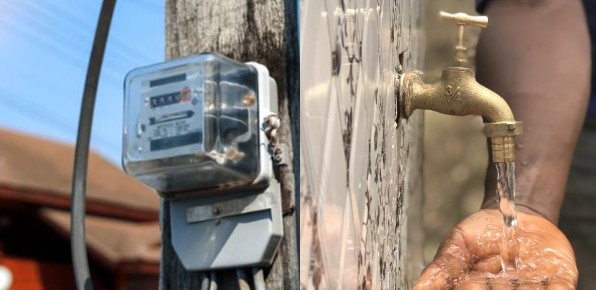
The surge in services costs was largely driven by housing and utilities, which alone contributed more than 37% to the overall inflation outturn. Additional pressure came from rising educational expenses, particularly Senior High School fees, as well as increased rent payments. Price hikes in selected commodities such as charcoal, smoked fish, and liquefied petroleum gas further compounded household costs.
In contrast, the transport sector provided some relief, recording an average fare reduction of about 3.4% over the period, helping to partially cushion overall inflationary pressures.
Regional Variations Highlight Uneven Price Pressures
A closer look at regional inflation data reveals significant disparities across the country. The North East Region recorded the highest inflation rate at 9.5%, reflecting heightened cost pressures in that part of the country. In stark contrast, the Savannah Region experienced a deflationary trend of -3.5%, underscoring the uneven distribution of price movements nationwide.
On a month-on-month basis, the general price level increased by 1.0% between March and April 2026, suggesting a mild resurgence in short-term inflation momentum. Notably, food inflation edged slightly lower from 2.3% to 2.2%, indicating continued stability in the food component of the consumer basket.
Government Statistician Provides Context
Presenting the data in Accra on Wednesday, May 6, Government Statistician Dr. Alhassan Iddrisu explained that the April outcome reflects both short-term pressures and longer-term disinflation gains.
“In April 2026, the Consumer Price Index stood at 267.3, up from 258.6 in April 2025. This translates into a year-on-year inflation rate of 3.4%. In simple language, prices are 3.4% higher than they were one year ago. On a monthly basis, inflation was 1%, meaning that prices increased by 1% between March 2026 and April 2026. Compared to March 2026, inflation has increased by 0.2 percentage points,” he explained.
Dr. Iddrisu, however, stressed that the broader inflation outlook remains encouraging despite the recent uptick.