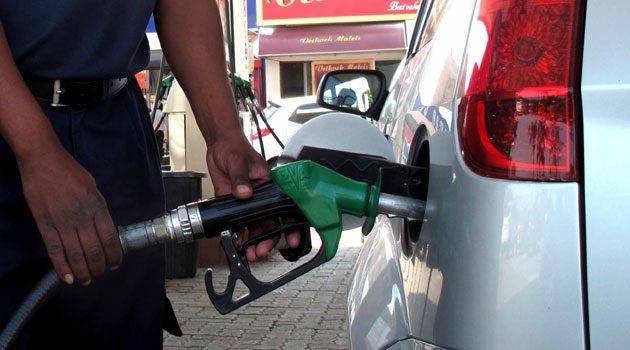
Fuel prices at some filling stations across Ghana have increased from Wednesday, September 16, 2026, following the opening of the second pricing window for the month, amid renewed pressure from rising international crude oil and refined petroleum product prices.
The latest adjustments are being driven largely by increases in global crude oil prices, attributed in part to renewed geopolitical tensions in the Middle East, as well as higher prices for refined petroleum products on the international market.
According to the Chamber of Oil Marketing Companies (COMAC), petrol prices are projected to increase by 9.63 per cent, with cash-purchase ex-pump estimates reaching as high as GH¢17.23 per litre.
Diesel prices are also projected to rise by 6.97 per cent, with estimates reaching about GH¢18.35 per litre, while Liquefied Petroleum Gas (LPG) is expected to record an upward adjustment of 3.22 per cent.
The National Petroleum Authority (NPA) has set price floors for the current pricing window at GH¢16.00 per litre for petrol and GH¢16.77 per litre for diesel.
However, pump prices may vary among oil marketing companies depending on their individual pricing structures, operating costs and other components factored into the final retail price.
At StarOil, for instance, the new price board took effect at 8:00 a.m. on Wednesday, with Super petrol selling at GH¢16.77 per litre, diesel at GH¢17.77 per litre and RON 95 at GH¢18.97 per litre.
The latest increases are expected to add pressure to transport operators and businesses whose operations depend heavily on petroleum products.
The Ghana Private Road Transport Union (GPRTU) has warned that public transport fares could rise by between 25 per cent and 30 per cent as operators seek to absorb the impact of higher fuel prices.
An increase in transport fares could, in turn, raise the cost of moving goods and services across the country, while businesses using diesel-powered machinery and vehicles could face higher production, distribution and operating costs.
These additional costs could eventually be passed on to consumers through higher prices for goods and services.
The development also comes against the backdrop of sustained volatility on the international energy market, with Brent crude trading at elevated levels of around $108 per barrel.
For Ghana, which relies significantly on imported petroleum products, prolonged increases in global crude oil and refined product prices could continue to exert pressure on domestic pump prices, particularly if accompanied by renewed depreciation of the cedi.