The question facing Ghanaians at the proposed constitutional referendum should not be reduced to a single “Yes” or “No” on a long list of unrelated reforms, the Citizens’ Platform on Constitutional Reforms (CPCR) has cautioned.
The civil society coalition is calling for a referendum structured around a manageable number of clearly defined questions, arguing that voters should be able to support some proposed constitutional changes while rejecting others.
Addressing the media in Accra on Tuesday, the CPCR said the referendum should contain a manageable number of clearly worded questions, with amendments grouped only where they genuinely dealt with the same subject.
“We are therefore asking the Government to commit, now, that it will not place more than twenty different amendments before the country as one package, with one ‘Yes’ or ‘No’ answer,” it said.
The Platform noted that the proposed amendments covered different issues, including the term of the President and the funding of local government.
It said a voter could support one proposal while opposing another, making it important for the referendum to allow those views to be expressed.
“To be clear, we are not suggesting that there must be a separate ballot question for every individual amendment. That can be impractical,” the CPCR said.
“What we are asking for is a manageable number of clear questions, with amendments grouped only where they genuinely deal with the same subject.”
The Platform also called for referendum questions to be written in plain language so that voters could understand precisely what each proposed amendment would change and what it would leave untouched.
It said the government should announce and ringfence funding for civic education well ahead of the referendum, with the National Commission for Civic Education (NCCE) leading the exercise.
According to the CPCR, funding should be protected in law and released early enough to allow citizens sufficient time to examine the proposals before voting.
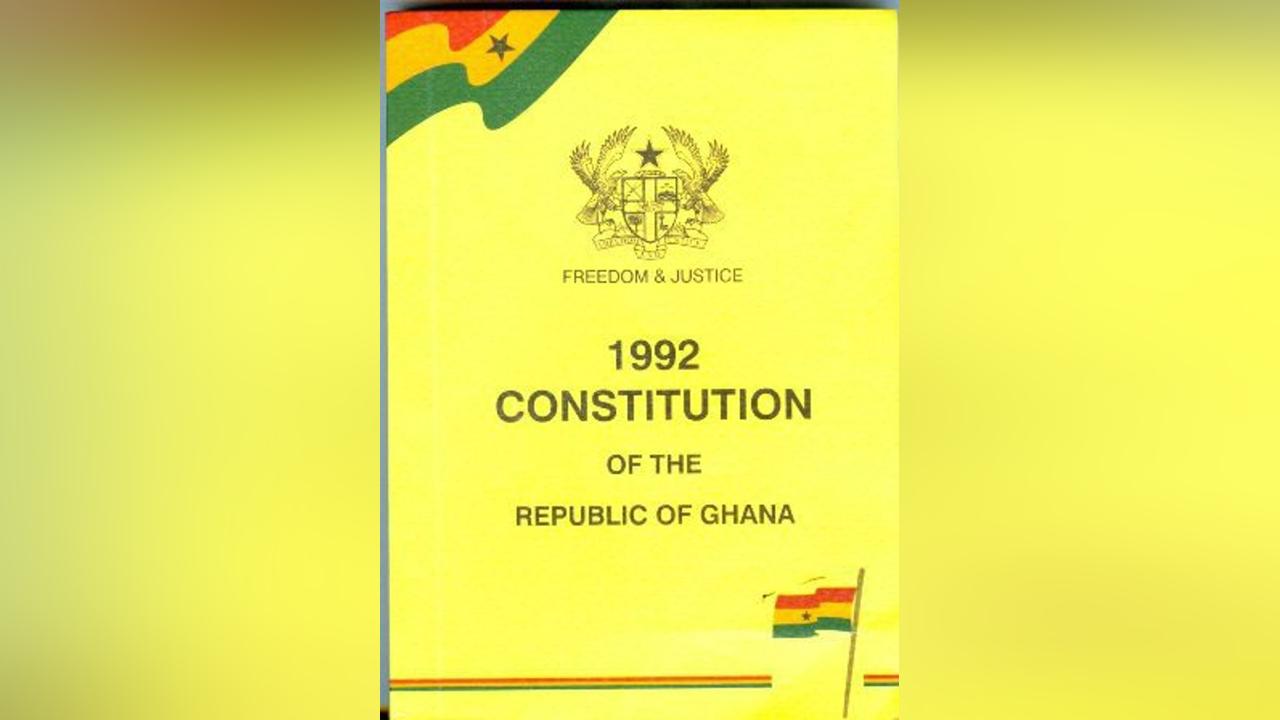
The Platform said civic education was particularly important because of the constitutional thresholds applicable to a referendum on entrenched provisions.
“Because for the referendum to succeed, the Constitution requires that at least 40% of all registered voters take part, and that 75% approve the proposals,” it said.
“These are very high thresholds which cannot be cleared by a campaign squeezed into the final weeks.”
The CPCR said the public should not be expected to make decisions on constitutional changes without adequate information and time for consideration.
“We believe that no Ghanaian should be asked to decide the future of the Constitution without a fair chance to understand what is being asked,” it said.
The Platform’s demands formed part of a broader position on the constitutional review process and the government’s Position Paper on the recommendations of the Constitution Review Committee.
The CPCR said it welcomed several proposals contained in the government’s position, including the creation of an independent Political Parties Regulatory Commission, the introduction of proportional representation in Parliament and the election of Metropolitan, Municipal and District Chief Executives.
It also expressed support for expanding the functions of the NCCE to include national presidential debates, civic forums and town hall meetings, subject to independent and impartial rules and adequate funding.
However, the coalition said constitutional reform should not be limited to the proposals already accepted by the government.
It called for broader consideration of issues involving presidential powers, institutional independence, public accountability and citizen participation.
The CPCR said the reform process must be transparent and genuinely participatory, with citizens outside Accra given meaningful opportunities to contribute.
“Constitutional reform cannot be left only to politicians, lawyers or experts.”
“The decisions being considered will affect every citizen and shape the way our country is governed for many years, it said