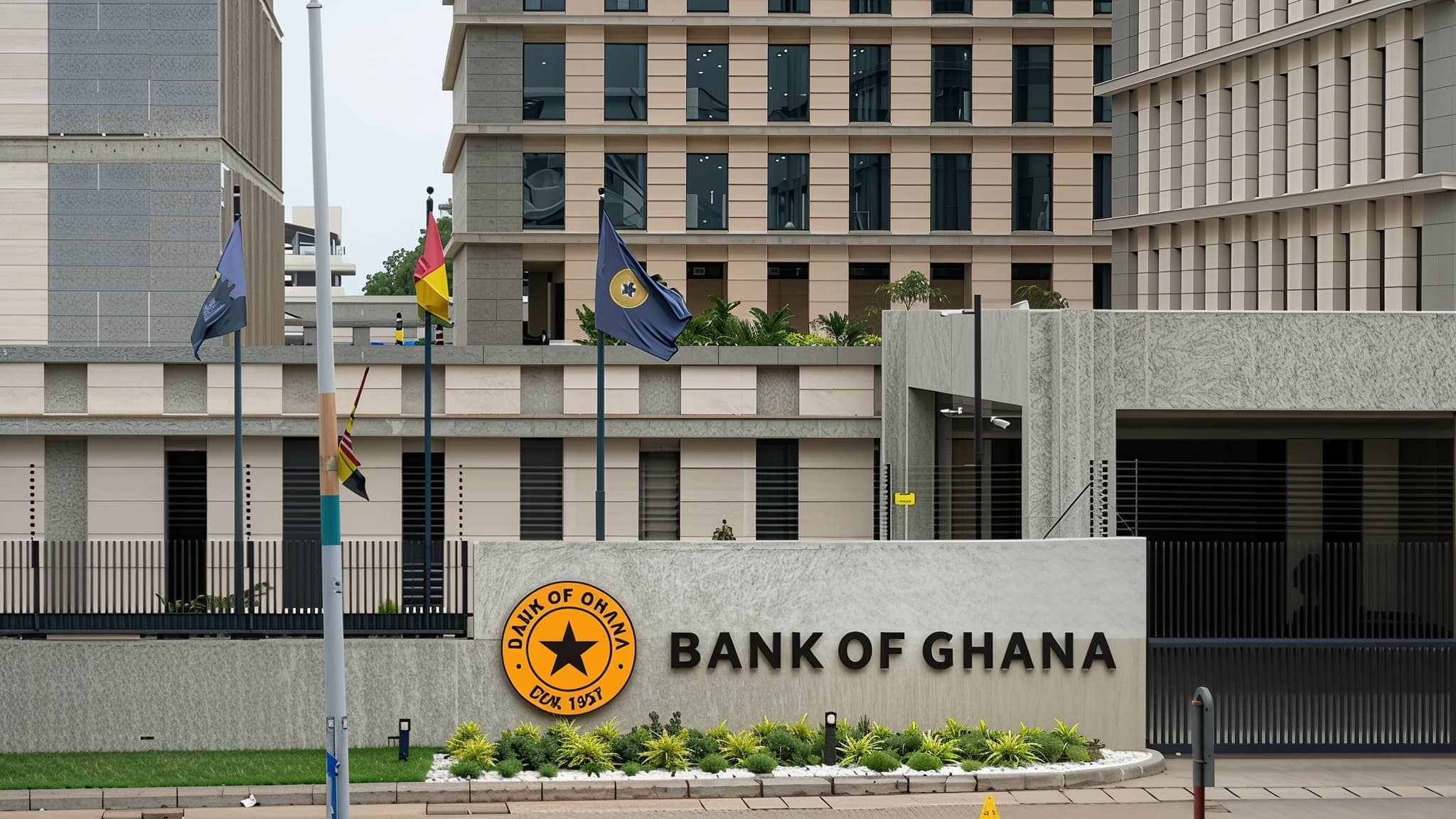
Ghana’s financial sector emerged from the pressure of debt restructuring with a stronger balance sheet in 2025, as total financial sector assets climbed to GH¢647.25 billion, equal to 45.1% of GDP, according to the Financial Stability Review 2025.
The report says the sector’s recovery was supported by a more stable macroeconomic environment, lower inflation, improved profitability, and stronger solvency positions across banking, insurance, securities, and pensions.
The review described 2025 as a year in which the economy regained momentum, with real GDP growth rising to 6.0%, up from 5.8% in 2024, while headline inflation fell sharply to 5.4% by December 2025 from 23.8% a year earlier. The external sector also strengthened, helped by higher gold exports and reserves that reached 5.7 months of import cover, creating a more supportive backdrop for the financial system.
The banking industry recorded one of the strongest rebounds. Total banking assets increased to GH¢446.90 billion at the end of December 2025 from GH¢367.81 billion a year earlier, a gain of 21.5%.
Capital adequacy improved materially, with the regulatory capital ratio rising to 17.5% from 14.0% in 2024, while return on assets improved to 5.7% and return on equity held at 30.8%.
Liquidity remained broadly contained, and the report said strong deposit mobilisation and recapitalisation efforts helped finance asset growth.
Insurance also strengthened, with total equity rising to GH¢7.62 billion and average capital adequacy ratios remaining far above regulatory thresholds.
The securities market posted standout performance, as the Ghana Stock Exchange ended the year as Africa’s second-best performing market, supported by gains in financial stocks, a rise in market capitalisation, and cedi appreciation.
The pensions sector expanded as well, driven by stronger compliance, payment of contribution arrears, and better investment performance.
Despite the improved outlook, the report warned that risks have not disappeared. High non-performing loans remain a key concern in banking, and regulators are pushing tighter credit risk management and stronger loan recovery practices.
The Financial Stability Council said it would continue coordinating policy, supervision, and crisis preparedness to preserve the gains made in 2025.