The Ghana Revenue Authority (GRA) has set an ambitious fiscal target to double its annual revenue collection from ₵153 billion recorded in 2024 to ₵310 billion by December 2028. The strategy relies heavily on modernising tax administration, integrating advanced technologies, and restructuring the tax framework governing the informal sector—an ecosystem dominated by women-led businesses.
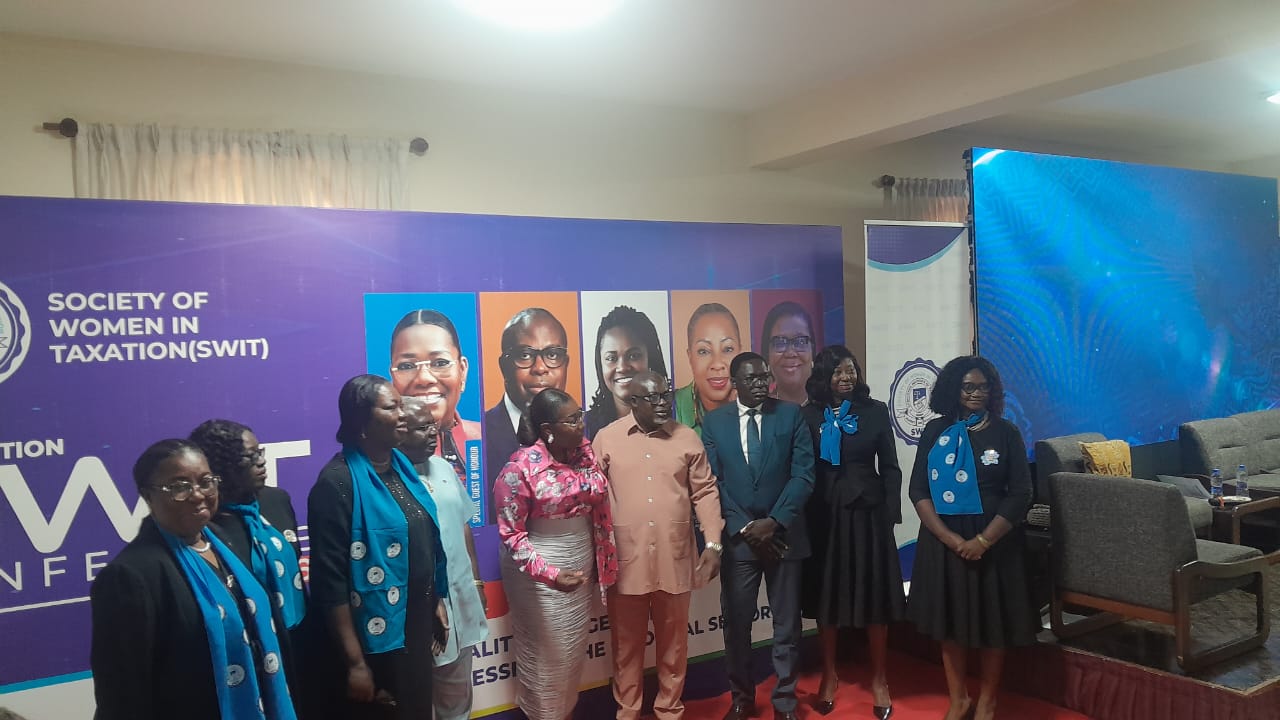
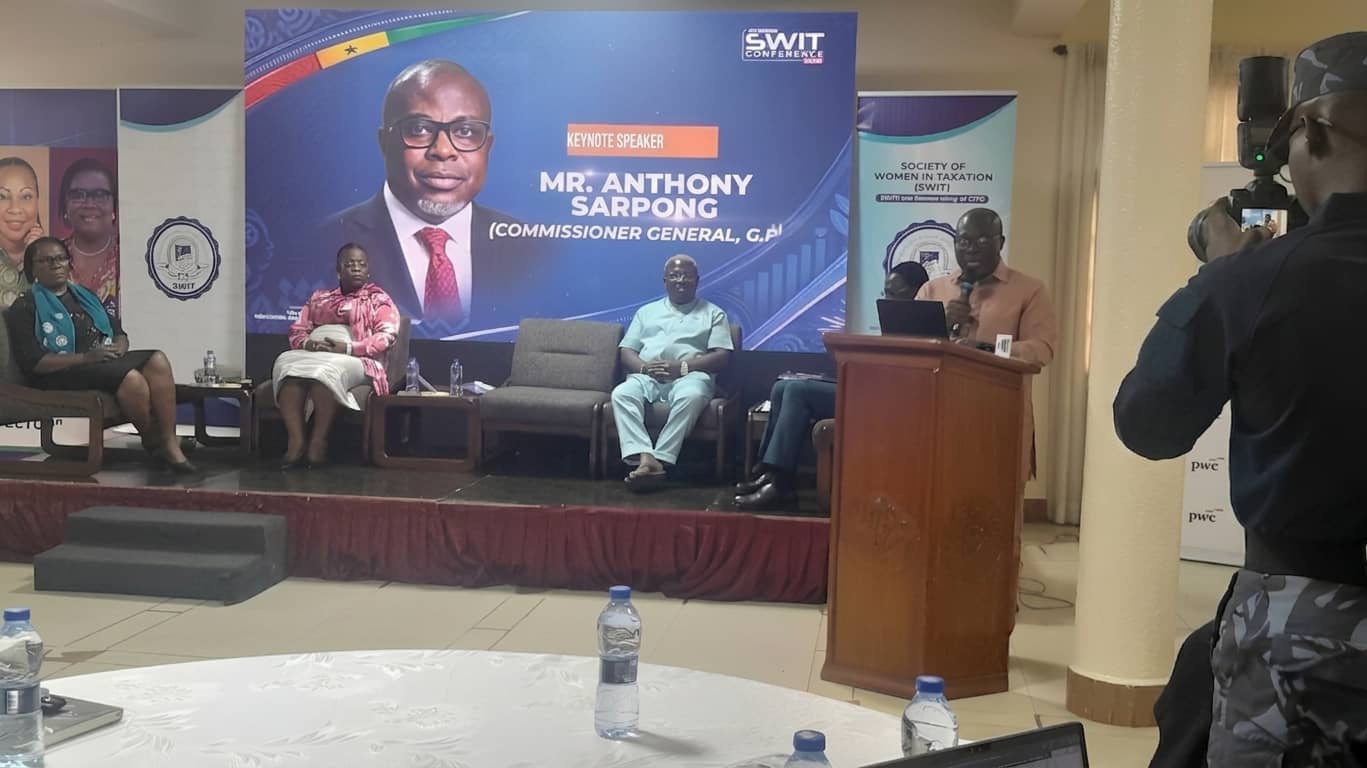
Speaking at the 4th Society of Women in Taxation (SWIT) Conference on Tuesday, August 18, 2026, in Accra, the Commissioner-General of the GRA, Anthony Kwasi Sarpong, outlined the authority’s medium-term revenue trajectory. The conference, held under the theme “Tax Reforms, Informality and Gender: Implications for Women-Led Businesses in the Informal Sector,” provided a platform for policy discussions on domestic revenue mobilisation.
“When we gather to talk about the taxation of women-led businesses, we are not only conducting a niche conversation. We are talking about the engine of Ghana’s economy,” Sarpong stated.
“The women you represent, and the millions of women like them in our markets in Accra, Kumasi, Tamale, Bolgatanga, and all the other cities, are the quiet backbone of our national economy,” he added.
The Commissioner-General disclosed that after collecting ₵153 billion in 2024, the authority achieved ₵182 billion in 2025. The GRA aims to collect ₵225 billion in 2026 and ₵260 billion in 2027 before hitting the ₵310 billion mark in 2028, reflecting a target annual growth rate of approximately 20%.
To support this trajectory, structural and legal reforms have been deployed. Sarpong highlighted that, following customs administration reforms and the deployment of Artificial Intelligence (AI) in April 2026, monthly customs revenue increased from an average of ₵4 billion in 2024 to ₵6.1 billion in July 2026.
Legal changes include raising the Value Added Tax (VAT) exemption registration threshold from ₵200,000 to ₵750,000 under the revised VAT Act, aimed at reducing the administrative burden on small enterprises.
Addressing the conference, the Deputy Chief of Staff (Administration) at the Office of the President, Madam Nana Oye Bampoe Addo, emphasised that the informal sector accounts for 80% of Ghana’s workforce and 91% of its female labour force, yet contributes only 27.4% to GDP. She called for balanced collection practices to avoid overtaxing small-scale traders who face multiple local levies.
“If we simply spread the informal sector’s 27.4% share of our GDP evenly across the year, well over 1 billion cedis moves through Ghana’s informal economy every single day,”
“This is not a sector we can afford to leave outside our revenue architecture,” Madam Bampoe Addo stated.