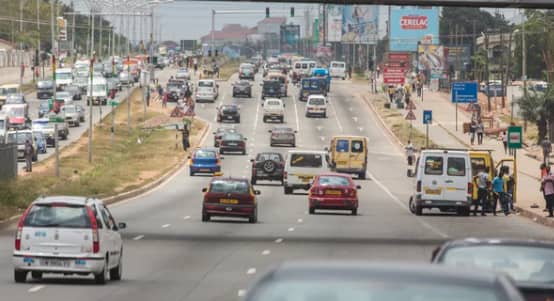
Petrol and diesel prices are projected to increase by 4.80 percent and 2.10 percent, respectively, from September 1, 2026, as higher international crude oil and refined petroleum product prices outweigh recent gains in the Ghana cedi.
The Chamber of Oil Marketing Companies (COMAC) said the latest outlook reflects sustained pressure in global petroleum markets, with average crude oil prices rising by 1.75 percent from US$90.53 to US$92.11 per barrel.
The increase has been driven partly by geopolitical tensions and uncertainty surrounding oil shipments through the Strait of Hormuz, keeping the international market volatile.
Prices of refined petroleum products also recorded significant increases, with petrol rising by 8.86 percent, diesel by 5.51 percent and Liquefied Petroleum Gas (LPG) by 3.31 percent during the period under review.
The National Petroleum Authority (NPA) has set the price floor for petrol at GH¢14.53 per litre for the first pricing window of September, up from GH¢13.92 in the second window of August. Diesel has also increased from GH¢15.19 to GH¢15.60 per litre.
LPG is the only major petroleum product expected to decline, with its price floor reduced from GH¢10.98 to GH¢10.85 per kilogramme.
The government has, however, extended its GH¢2 per litre reduction in the regulatory margin on diesel to cushion consumers from the anticipated increase. The intervention, initially introduced as a temporary measure for two pricing windows, was expected to end in August.
The projected fuel increases could also affect commercial transport fares, with the Ghana Private Road Transport Union (GPRTU) warning that operators are facing rising costs beyond fuel, including spare parts, lubricants, taxes, insurance and vehicle-related charges.
The union has said it will assess actual pump prices before deciding whether to review fares. It had previously suspended a planned 30 percent fare increase following the government’s diesel intervention.
The GPRTU has also cited an arrangement allowing transport fares to be reviewed when fuel prices exceed a 10 percent threshold, putting further attention on developments at the pumps in September.