The Ministry of Health has declared a yellow fever outbreak in affected districts of the Upper West Region after laboratory investigations confirmed three cases, all of which resulted in deaths.
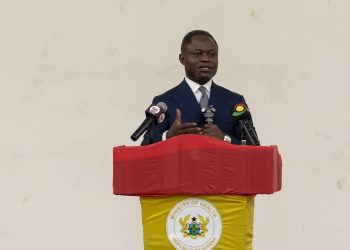
In a press release issued by the Minister of Health, Kwabena Mintah Akandoh, the ministry said the confirmed cases followed reports of suspected infections involving fever, jaundice and bleeding in health facilities in Sissala West and Wa West districts from September 9, 2026.
Samples taken from suspected cases were initially tested in Ghana before further investigations at the World Health Organisation (WHO)-accredited Institute Pasteur laboratory in Dakar, Senegal, confirmed three cases of yellow fever.
“All three cases resulted in deaths despite aggressive management by our health staff in those facilities,” the ministry said.
The declaration was made in accordance with the International Health Regulations (2005) and Ghana’s Public Health Act, 2012 (Act 851).
The ministry said the government, through the Ghana Health Service (GHS), had activated the national and regional Public Health Emergency Operations Centres to coordinate the response to the outbreak.
Rapid Response Teams have also been deployed to affected communities to identify suspected cases, strengthen disease surveillance and educate residents about preventive measures.
As part of efforts to contain the outbreak, the government is preparing a targeted emergency vaccination campaign in Wa West, Sissala West and Sissala East districts in October 2026.
The ministry said it was strengthening case management at designated health facilities and intensifying surveillance across the region to identify and respond promptly to additional cases.
Risk communication and community engagement activities have also been intensified in the affected districts and the wider region.
Yellow fever is a viral disease transmitted through the bites of infected mosquitoes, which are active mostly during the day.
The Ministry of Health has urged residents to seek immediate medical attention if they experience sudden fever, headache, muscle pain, yellowing of the eyes or skin, or unusual bleeding.
It has also advised the public to eliminate stagnant water around homes, use insecticide-treated mosquito nets and repellents, and avoid self-medication.
The ministry further urged residents to rely on official information from the Ministry of Health and the Ghana Health Service and refrain from circulating rumours or unverified reports about the outbreak.
It called on traditional and religious leaders, the media, civil society organisations and the general public to support efforts to contain the disease.
The ministry said it would provide regular updates on the situation, including details of the planned vaccination exercise in the affected districts.