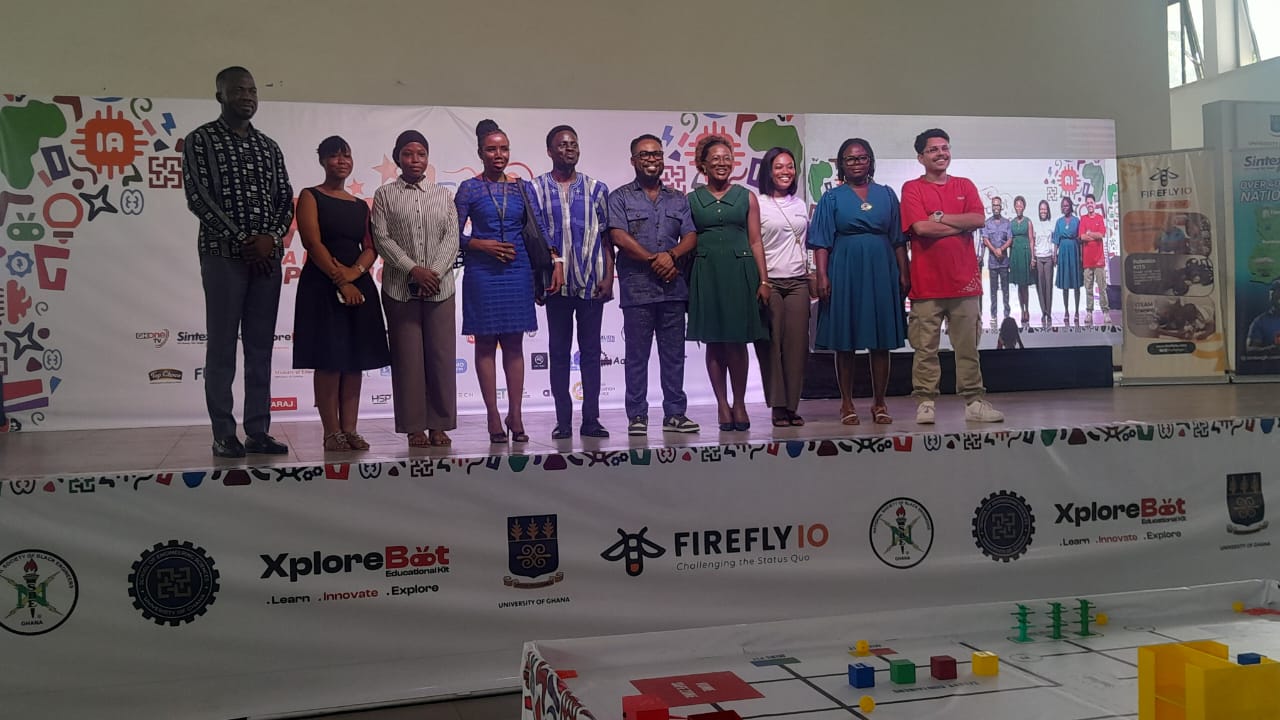
Firefly IO, main organiser of the Ghana Robotics Competition (GRC), has called for increased investment in robotics education, particularly in teacher training and learning resources, to equip Ghanaian students with skills relevant to the changing world of work.
George Sarfo, Founder and Chief Executive Officer of Firefly IO, said although efforts to introduce robotics into Ghana’s education curriculum were commendable, gaps in qualified teachers and educational resources could undermine the effective implementation and sustainability of the initiative.
Speaking on the sidelines of the fourth edition of the Ghana Robotics Competition at the University of Ghana’s GCB Hall, Mr Sarfo said robotics, artificial intelligence (AI) and electronics were becoming increasingly important in the global economy.
He urged parents to encourage their children to learn robotics and related technologies to prepare them for future employment opportunities.
“It’s very important to make sure that the youth are learning their skills for now, because the future is now,” he said.
Mr Sarfo noted that the growing adoption of AI and robotics across industries made it necessary for young people to acquire the technical skills needed to remain relevant in the changing job market.
He acknowledged the government’s efforts to introduce robotics into the education curriculum but stressed the need to complement the policy with adequate resources and qualified instructors.
“It’s not just about implementing it, but it’s about making sure that it’s going on and it’s very sustainable,” he said.
Mr Sarfo called for increased teacher training and collaboration with organisations that provide robotics education and related resources.
He said Firefly IO was among the organisations offering robotics training and developing locally made robotics kits for educational purposes and competitions.
The 2026 competition, held from October 7 to 9 under the theme “AI and Robotics for Sustainable Africa,” brought together 50 schools from approximately nine regions of Ghana.
Mr Sarfo described the event as an opportunity for students to learn, have fun and develop practical skills, while acknowledging the challenges involved in organising the competition.
Meanwhile, George Kwasi Klenam, Head Judge of the Ghana Robotics Competition, said the 2026 edition had introduced an innovation challenge alongside the traditional robot game challenge to encourage students to develop solutions to problems in their communities.
He explained that the innovation challenge required participants to identify challenges in their surroundings and propose solutions using technology or improvements to existing innovations.
“The innovation challenge allows students to be creative, discover problems or issues that are around their vicinity or in their surroundings, and then try as much as possible to come up with a solution that targets that particular problem,” he said.
Mr Klenam said the innovation challenge accounted for 40 per cent of a team’s qualifying score, while performance in the robot game challenge contributed the remaining 60 per cent.
During the robot game challenge, teams used pre-programmed or manually controlled robots to complete designated missions on competition tables, with varying levels of difficulty depending on the participants’ age groups and competition leagues.
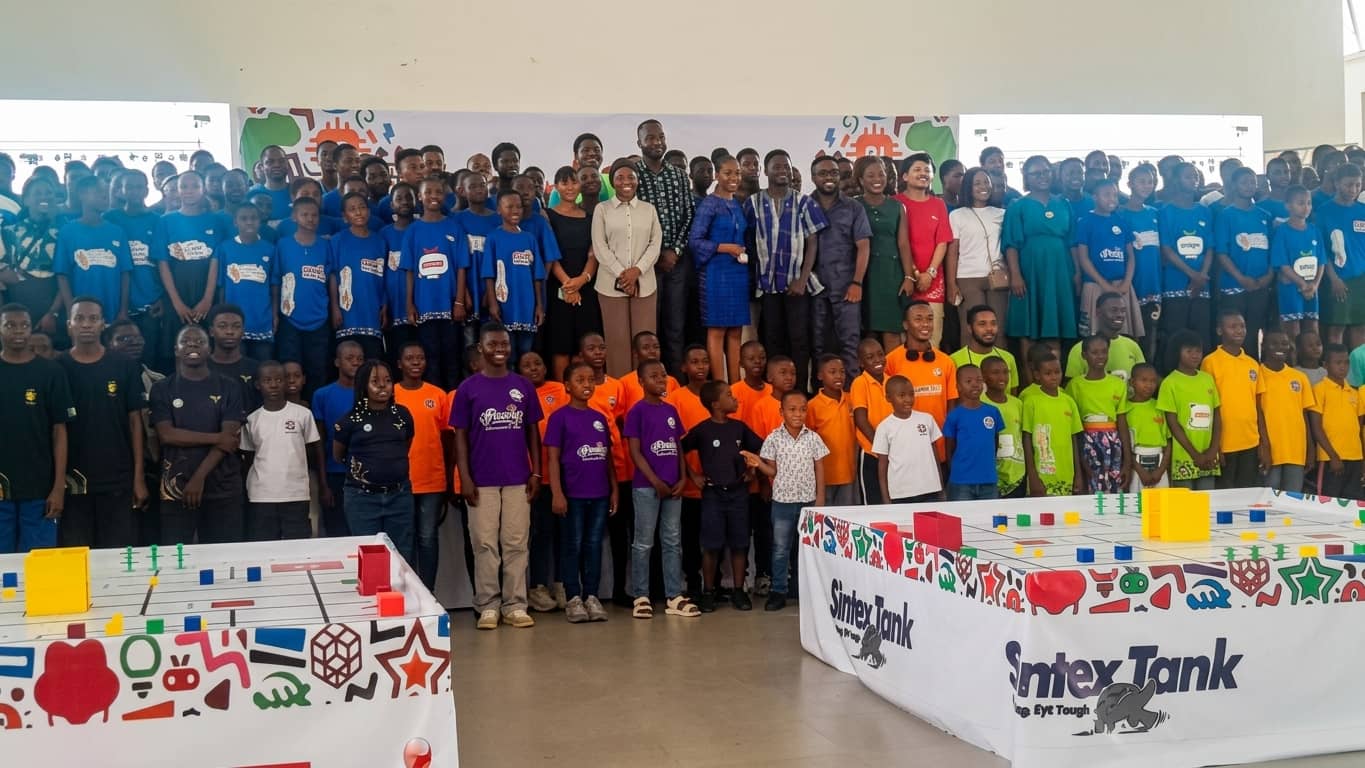
He said the scoring system would determine the teams that progressed to the knockout stages, where participants would compete head-to-head for places in the final rankings.
According to him, the competition also featured an alliance system in the Stars and Tech leagues to promote collaboration, with winning teams paired in groups of two.
The two-day competition was powered by Firefly IO in collaboration with the School of Engineering Sciences at the University of Ghana, providing a platform for students to demonstrate their technical abilities, creativity and problem-solving skills.
The organisers said the combination of robotics games and innovation projects was intended to encourage practical learning and inspire young people to apply technology to real-world challenges.