The Director of the Non-Profit Organisations Secretariat at the Ministry of Gender, Children and Social Protection, Felix Logah, has called for deeper collaboration, stronger governance, and strict compliance within Ghana’s non-profit ecosystem.
He made the call while representing the sector Minister at the 2026 Africa Non-Profit Summit held at the ISSER Conference Auditorium, University of Ghana, Legon, on Tuesday, May 12.
Delivering the Minister’s address, Mr. Logah underscored the critical role of non-profit organisations in advancing social protection, gender equality, disability inclusion, and community development across Ghana and the continent.
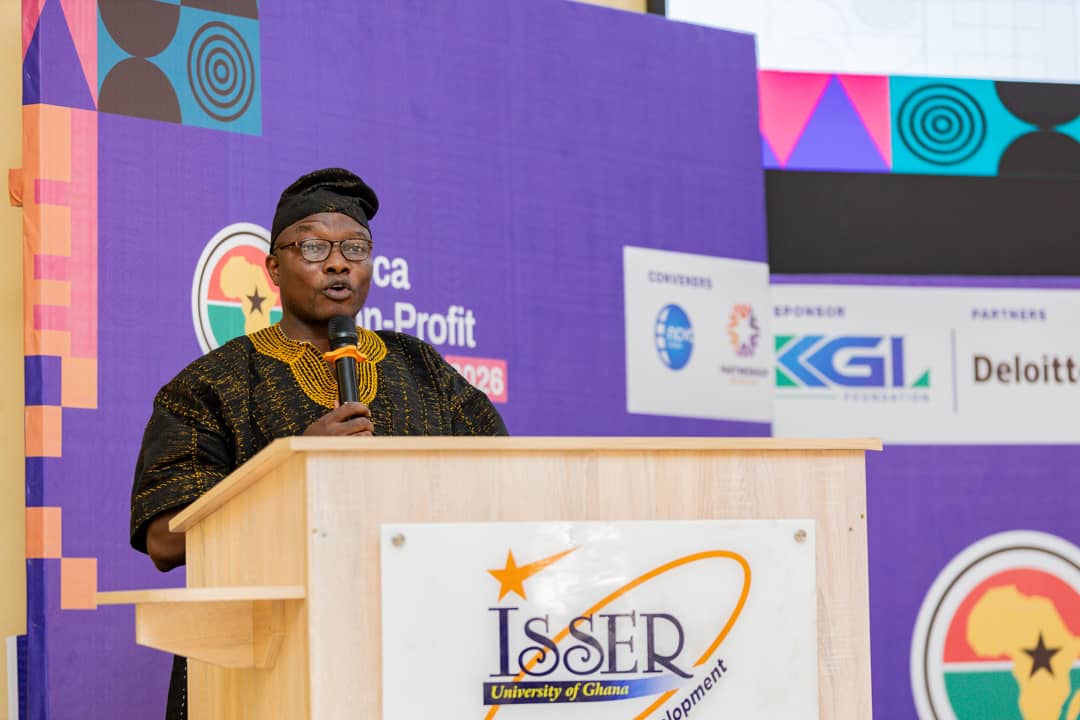
He stressed that civil society actors remain indispensable partners in government’s development agenda, particularly in reaching vulnerable and underserved populations.
“Across Ghana, it has become very clear that non-profit organisations remain valuable partners in supporting vulnerable populations and complementing government efforts,” he said, adding that the sector continues to play a “critical role in bringing development to the forefront.”
However, he was equally firm that the sector’s legitimacy depends heavily on accountability structures and compliance systems.
According to him, the Ministry has developed six regulatory frameworks to guide the operations of non-profits, aligned with international Financial Action Task Force (FATF) recommendations.
These frameworks, he noted, are designed to improve transparency and strengthen institutional integrity.
Mr. Logah outlined four core pillars of regulation: annual licensing and compliance, governance and financial accountability, operational transparency and partnerships, and appropriate sanctions for non-compliance. While acknowledging that regulation may appear burdensome, he insisted it is essential for long-term sustainability.
“Regulation should not be seen as a barrier to non-profit work, especially when it comes to credibility, sustainability and long-term impact,” he stated, urging organisations to embrace compliance as a tool for institutional strengthening rather than restriction.
The summit, themed around strengthening Africa’s non-profit sector for sustainable impact, also marked the launch of a Compliance Guidance Book designed to support organisations in navigating regulatory requirements.
Mr. Logah commended the initiative, describing it as timely and practical, especially in addressing gaps in compliance awareness across the sector. He noted that the guidebook will help organisations better understand obligations related to licensing, financial reporting, and governance.
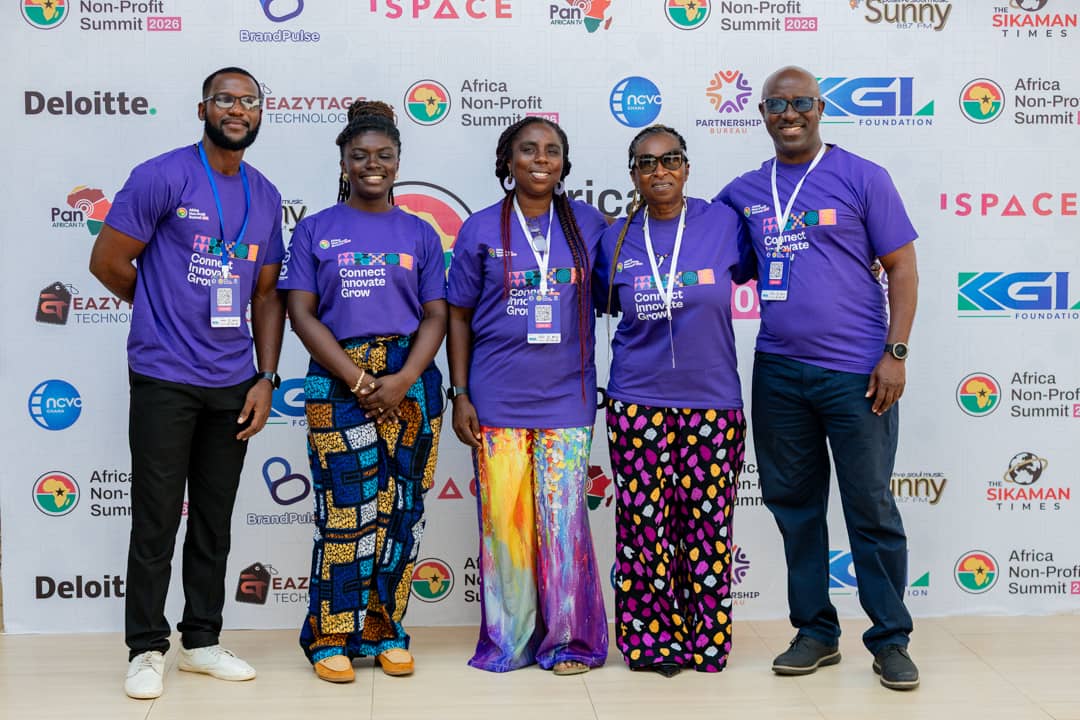
The Founder and Chief Executive Officer of NCVO Ghana, an organiser of the summit, Shirley Abedi-Boafo, reaffirmed the vision of the Africa Non-Profit Summit as a leading platform for learning, networking, and collaboration among civil society organisations across Africa, noting that the initiative has rapidly grown into a critical space for sector-wide engagement.
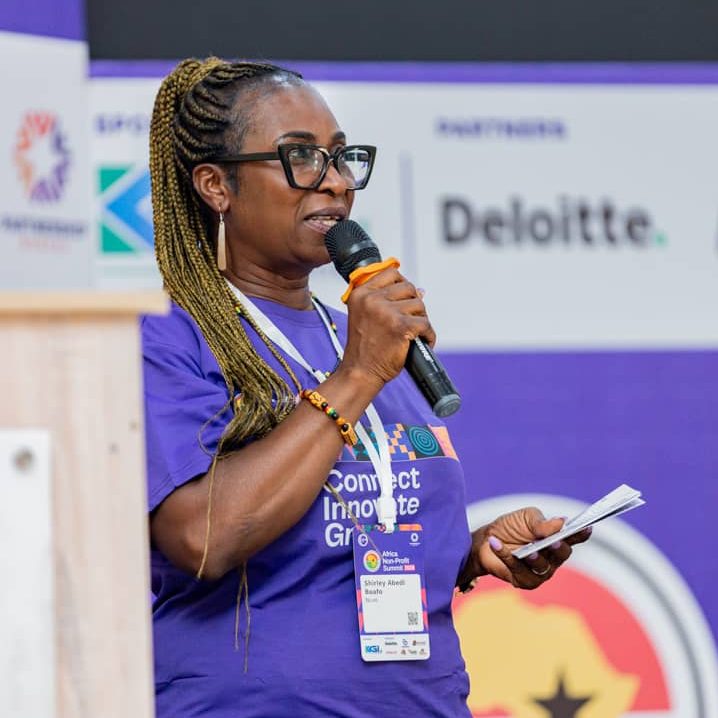
She explained that NCVO Ghana, a training and consultancy organisation for non-profits across Africa and beyond, co-founded the summit in 2024 to fill a gap in structured convenings dedicated specifically to the non-profit ecosystem on the continent.
“We realized that there’s so many summits across the world, but there’s nothing like the Africa Non-Profit Summit,” she said.
She added that the complexity of organising such a large-scale platform necessitated collaboration with the Partnership Bureau to ensure sustainability and impact.
According to her, the summit is anchored on three core objectives: learning, sharing, and networking. She noted that participants not only gain technical knowledge but also build partnerships that translate into real-world interventions and collaborative projects across communities.
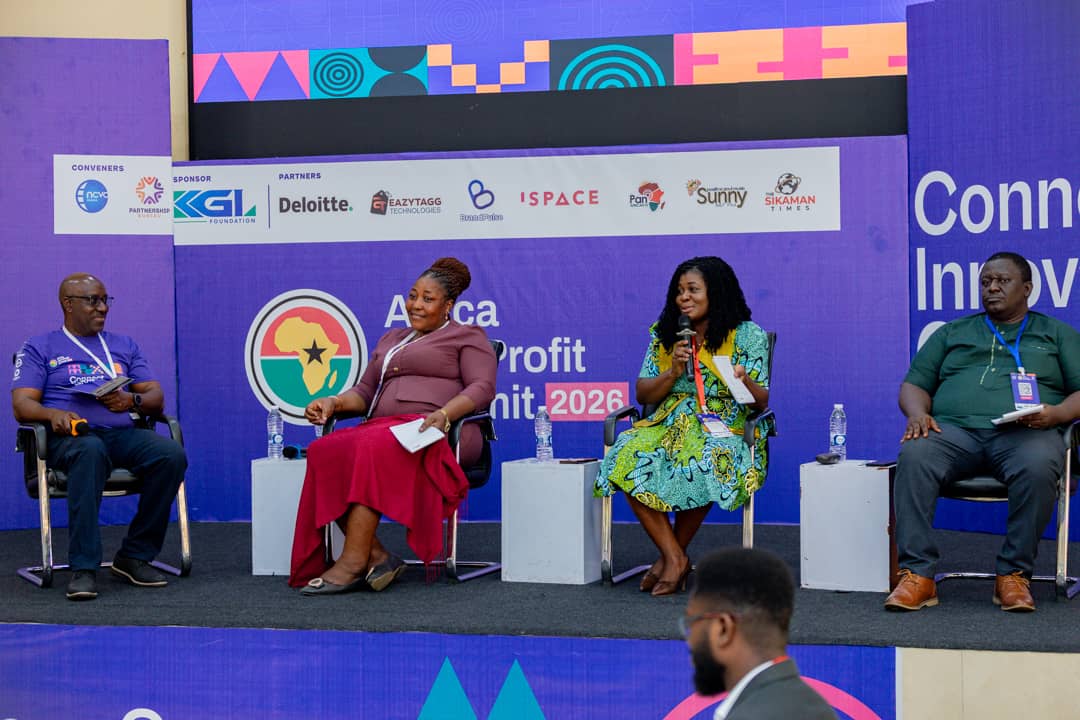
Madam Abedi-Boafo highlighted key training areas delivered through the summit, including monitoring and evaluation, storytelling for impact, budgeting and forecasting, as well as emerging topics such as artificial intelligence for non-profits and strategic communication.
“We want organisations to understand how to tell their stories, manage their resources effectively, and use modern tools to increase impact,” she stated.
Co-founder and Vice President of Partnership Bureau, a co-organiser, Constance Agyeman, also underscored the importance of compliance in strengthening the sector, explaining that the newly launched Compliance Guide provides step-by-step guidance on registration, licensing, financial management, and policy essentials for NGOs.
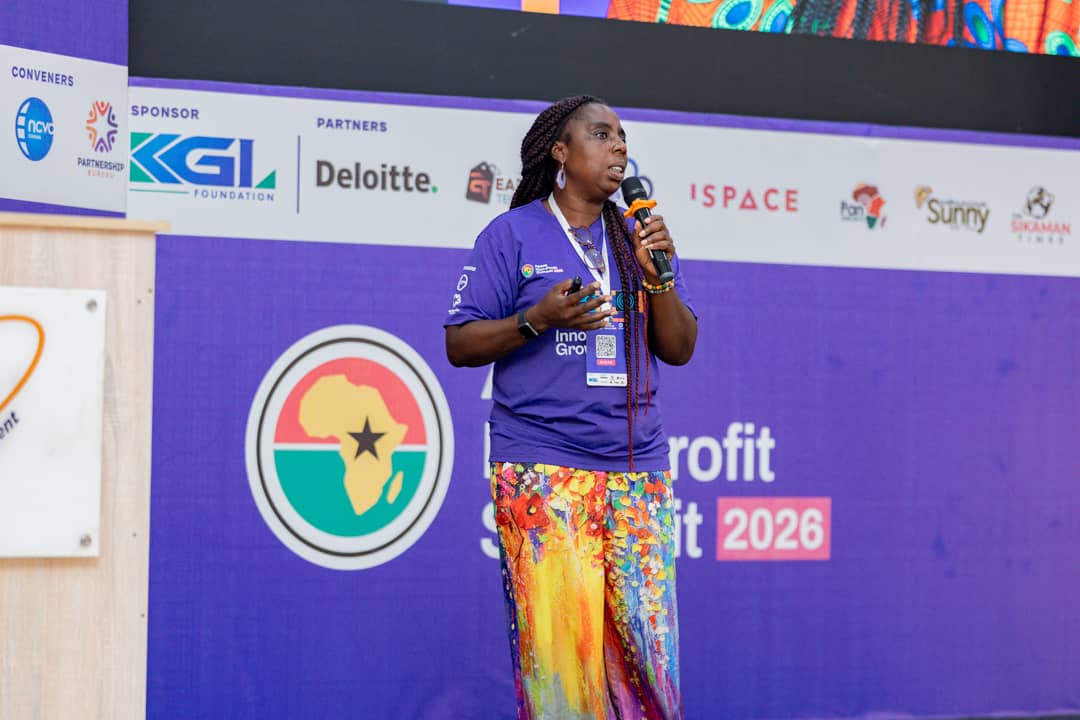
She described the guide as a practical tool designed to help organisations build stronger systems that enhance accountability and effectiveness.
Both organisers emphasised that the summit, now in its third year, is still a young but rapidly evolving platform with significant policy relevance.
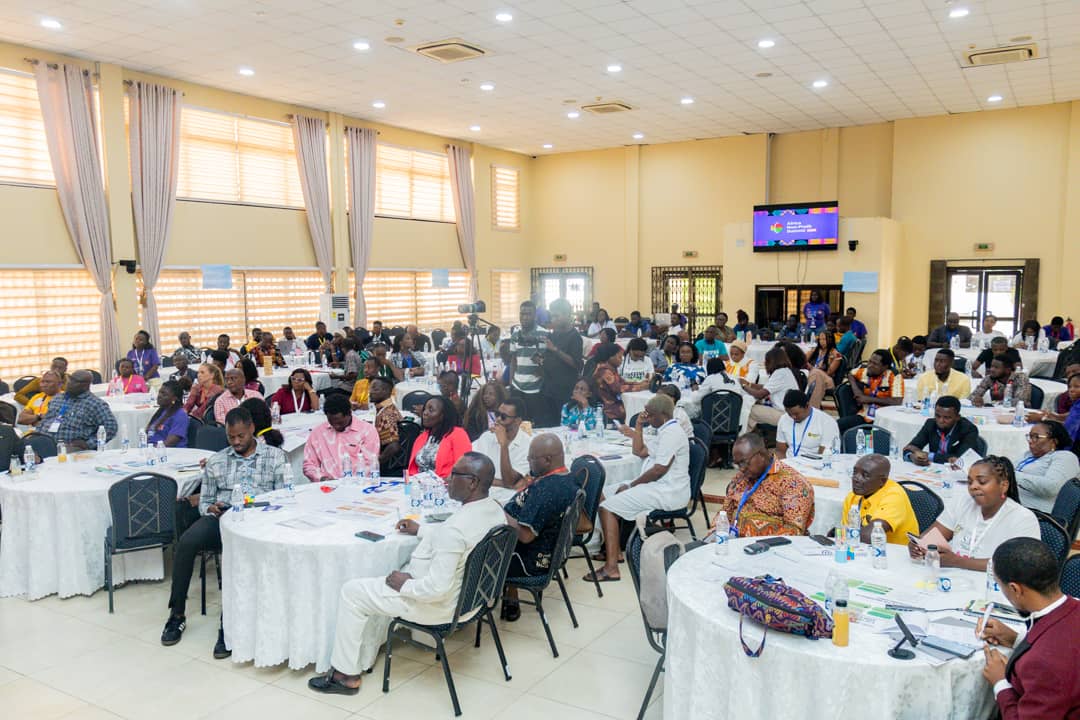
They noted that consistent engagement with regulatory bodies such as GRA, ORC, SSNIT, and the NPO Secretariat is helping to shape ongoing dialogue on compliance and sector reforms.
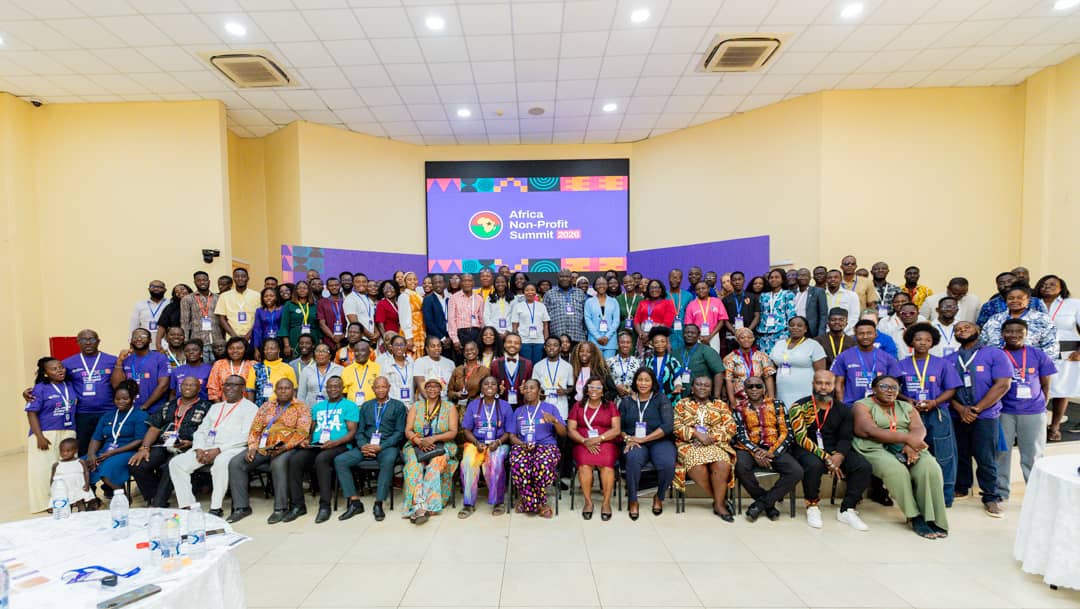
The event brought together regulators, civil society leaders, and development practitioners from across Africa, reinforcing the need for continuous dialogue between government institutions and non-profit actors.
Stakeholders emphasised that sustainable impact can only be achieved through strong systems of accountability, collaboration, and shared responsibility.