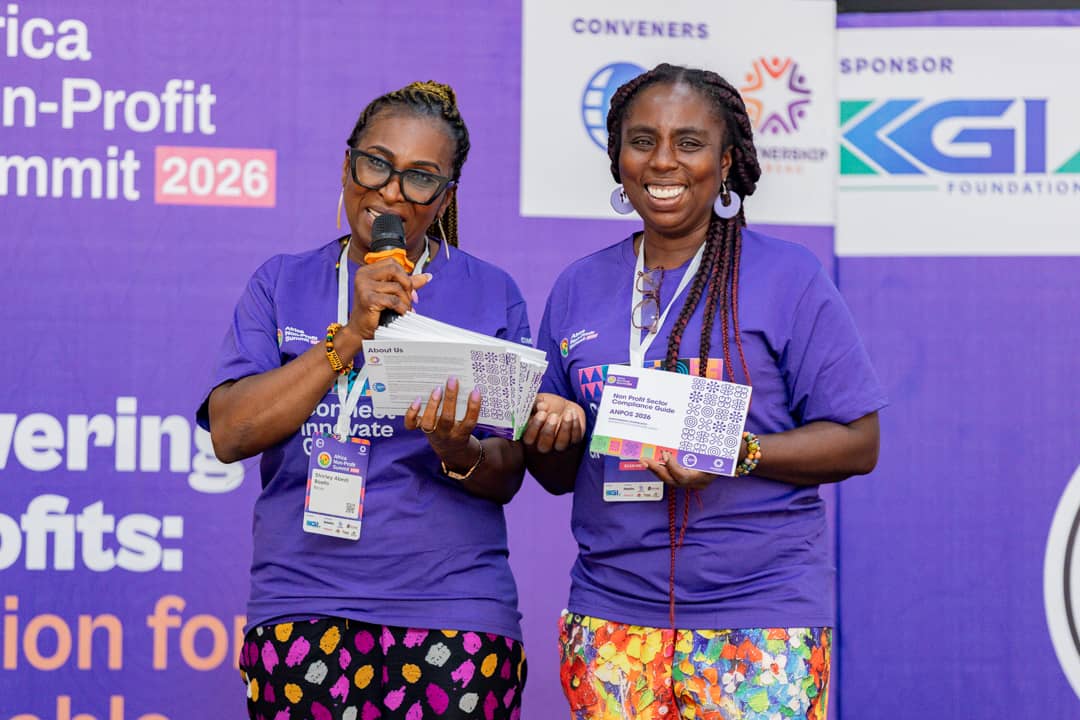
A new compliance guidance book aimed at simplifying regulatory requirements for non-profit organisations has been officially launched at the Africa Non-Profit Summit held at the ISSER Conference Auditorium, University of Ghana, Legon, marking a major step toward improving governance and operational clarity within Ghana’s civil society sector.
The guidebook, developed through collaboration between sector experts and regulatory stakeholders, seeks to consolidate complex compliance obligations into a practical, user-friendly resource for NGOs, non-profits, and social impact organisations.
Speaking at the launch, Shirley Abedi-Boafo, Founder and Chief Executive Officer of NCVO Ghana, explained that the idea for the handbook emerged from earlier editions of the summit, where it became evident that many organisations lacked basic awareness of regulatory obligations.
“I remember at the first summit, one NGO from the regions had never even heard about NGO compliance, which I thought was very sad,” she said, noting that the gap in knowledge inspired the development of a structured guide to support the sector.
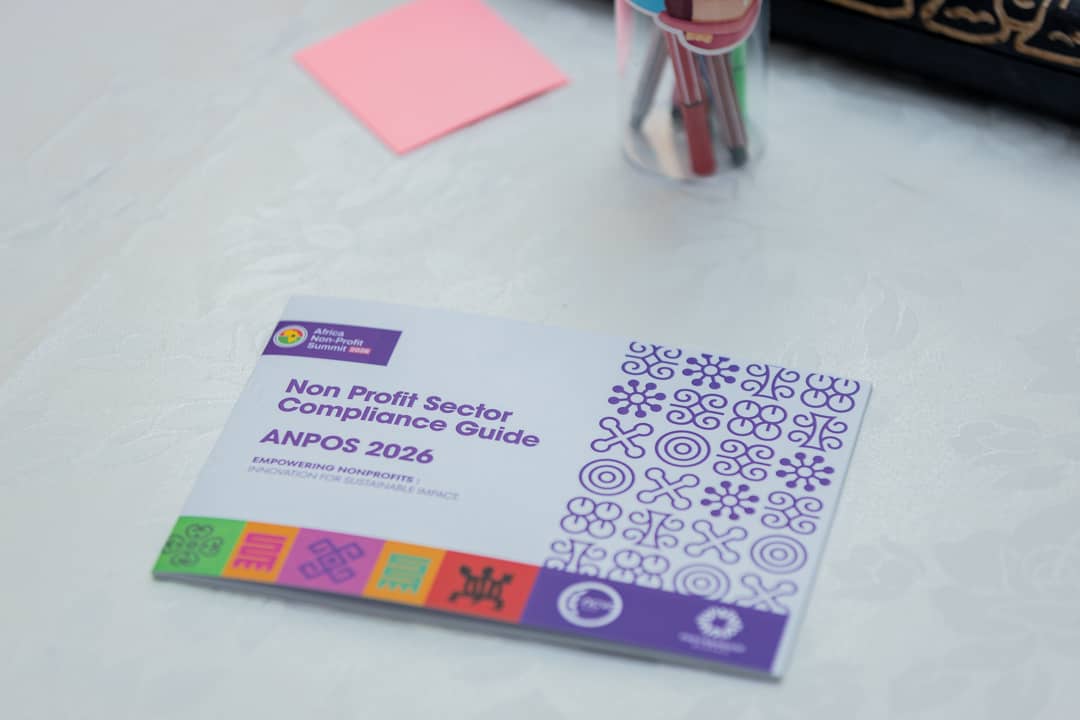
She explained that the handbook is not intended to be a legal textbook but a “practical touchpoint” that helps organisations navigate key compliance processes step by step. It covers registration procedures, financial reporting obligations, governance expectations, and policy essentials.
According to her, the guide begins with foundational principles such as integrity, transparency, stewardship, and ethical practice—values she described as essential for sustaining trust in the non-profit ecosystem.

Co-presenter Constance Agyemang, Co-founder of Partnership Bureau, added that the guide was developed after extensive engagement with regulatory bodies including the Registrar of Companies, GRA, and other sector agencies, noting that the process took several months of consultation and refinement.
“We just wanted to make sure that we were able to support organisations that want to do good but often struggle with knowing which steps to take and in what order,” she said.
She described the process as rigorous but necessary to ensure accuracy and usability.
“It is a starting point. It doesn’t have every bit of information, but it triggers thought processes about what organisations need to do to remain compliant,” she added.
Constance further explained that the guide includes checklists, financial compliance requirements, and policy frameworks to help organisations track obligations over time.
These, according to her, include both mandatory and best-practice guidelines to help NGOs scale sustainably.
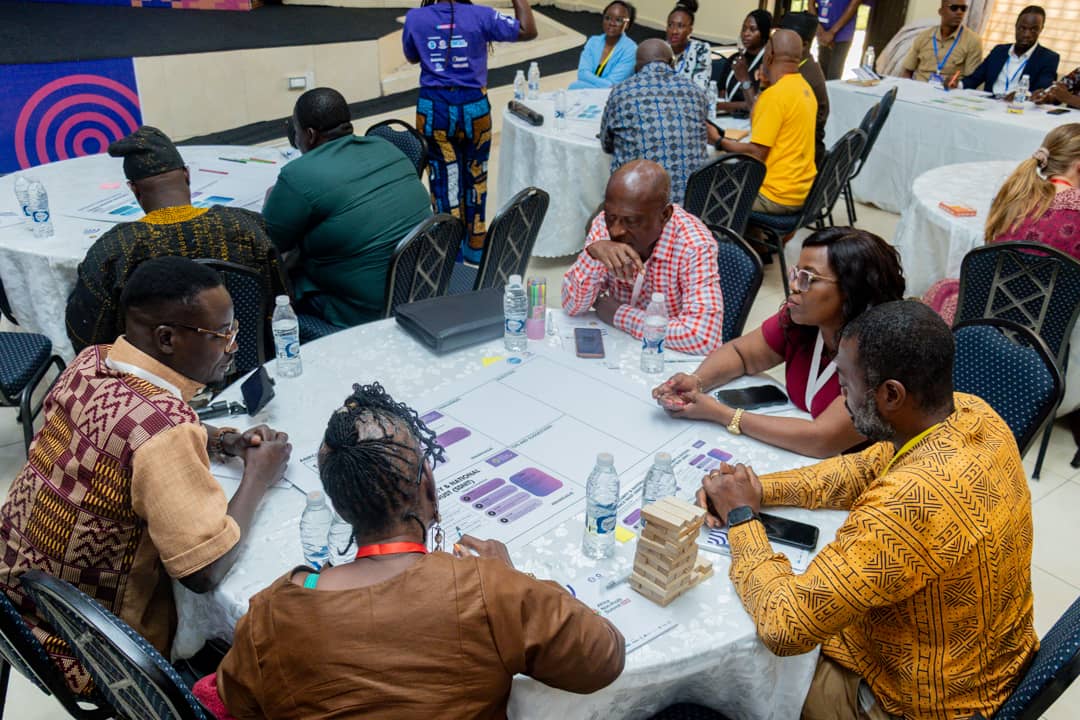
The organisers expressed hope that the guide will contribute to a more transparent, accountable, and effective non-profit ecosystem in Ghana and beyond, while encouraging organisations to seek professional advice where necessary.