
The Youth Empowerment Consortium (YEC) has underscored the need for a new generation of leaders to embrace transparency, accountability, and adaptability as essential tools for governance in an increasingly complex digital world.
At the Swearing-In & Inauguration of the YEC Governance Program 2026 in Accra on Saturday, 30 May 2026, Dr. Lawrence Ofosu-Adjare, Deputy Director of Health Systems Management at the Catholic Health Service Trust, described the current global environment as a “new dawn” requiring a fundamental shift in leadership mindset.
He noted that governance today is shaped by rapid technological advancement, including artificial intelligence and an “information boom,” which has heightened public demand for transparency and efficient resource management.
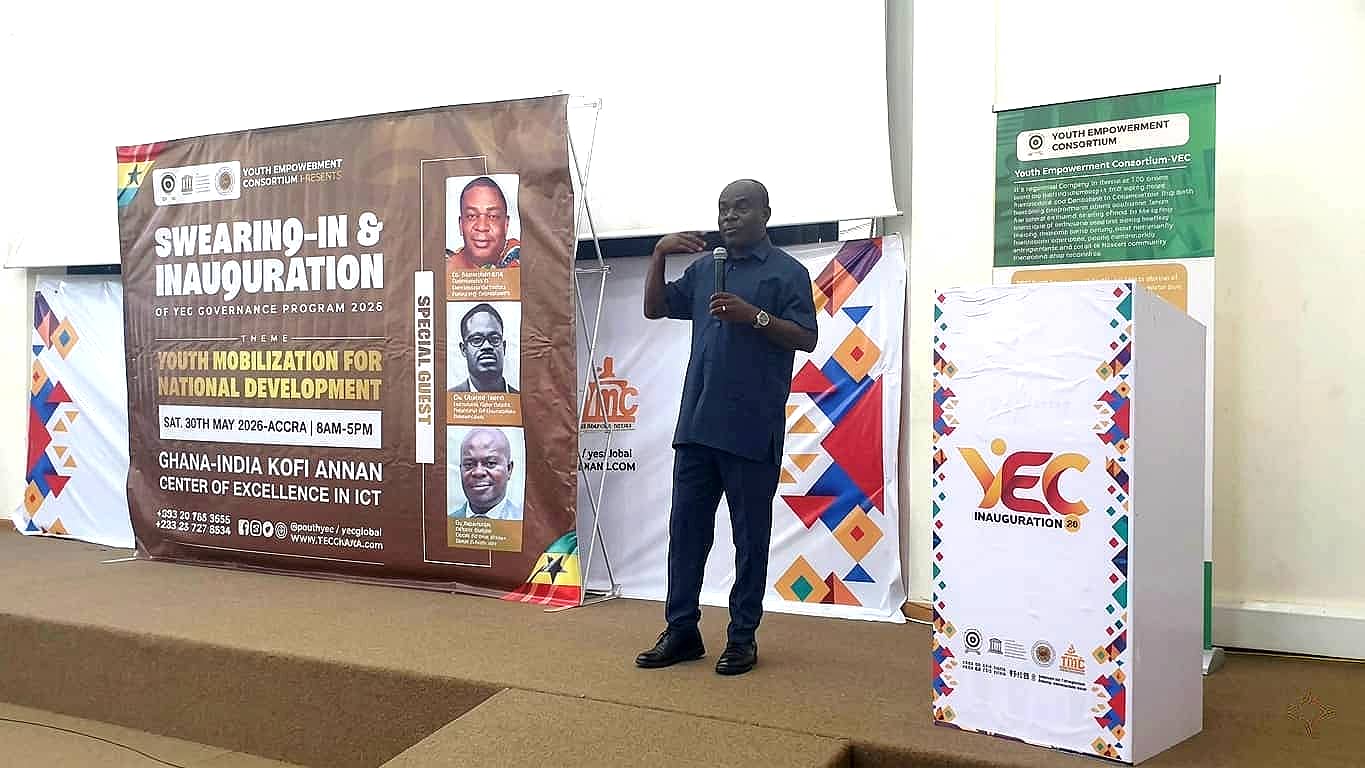 “The new dawn is about how to lead in a new world where we have an information boom… where you need to comply with best practices in governance, leadership, and resource application,” he said.
Dr. Ofosu-Adjare cautioned that emerging leaders must clearly understand their roles and operate with accountability, warning that public expectations are now higher and tolerance for poor performance significantly lower.
“The system is now in a transparent mode, and if you fail to operate above the table, you will be exposed,” he added.
He further stressed that effective leadership requires self-awareness, collaboration, and strategic direction, noting that individuals who fail to develop these competencies risk long-term underperformance in leadership roles.
According to him, leaders must also avoid blame-shifting and instead take responsibility for mistakes in order to build resilient institutions. “As a leader, you must accept responsibility when things go wrong and ensure it does not happen again,” he said.
The programme, organised under the theme “Youth Mobilisation for National Development,” brought together young participants preparing for leadership roles through simulation-based governance training. Organisers say the initiative is designed to bridge the gap between theoretical knowledge and practical governance experience.
The event also saw the induction of 165 young participants into the Youth Empowerment Consortium Governance Programme 2026, as part of efforts to train future leaders through practical governance simulations.
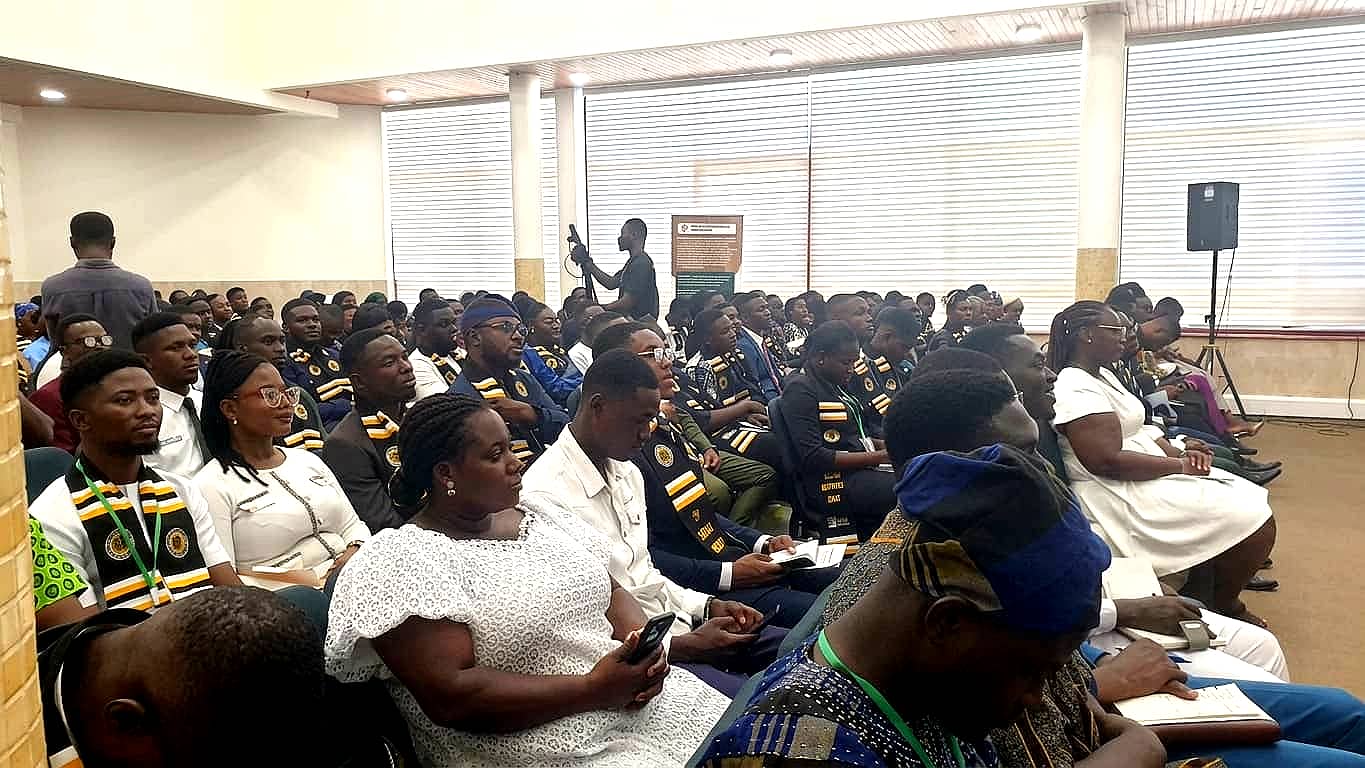
For his part, YEC Chief Executive Officer Mr. Edward Marfo said the initiative is focused on producing “leaders who are known for their responsibility in action,” adding that Ghana’s development challenges require practical problem-solvers rather than passive observers.
“We are raising leaders who are known for their integrity in character, compassion in supporting others, and excellence in execution of programmes and projects,” he said.
Mr. Marfo disclosed that the induction covered participants representing various districts and constituencies, describing the programme as a growing platform for youth leadership development that has been running for over six years.
He encouraged the participants to remain disciplined, consistent, and committed to their personal and community development goals. He also called on stakeholders and development partners to collaborate with YEC to expand youth-focused initiatives nationwide.
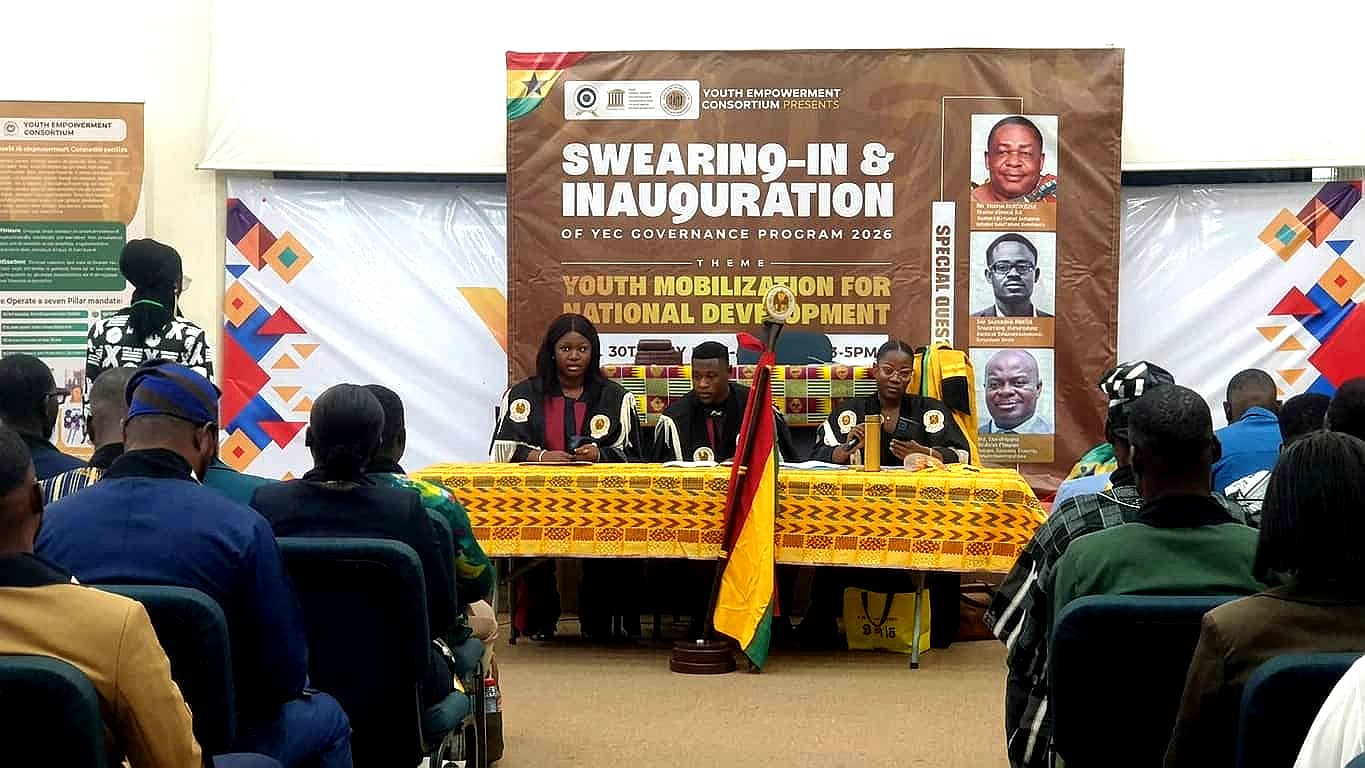
Among the inductees was John Yaw Martin, President of the Youth Model Cabinet, who said the programme had reinforced the importance of youth participation in national development.
“This is a reminder to us as youth that we should not play a spectator role in national development but take initiative and contribute our quota,” he said, adding that his three-year experience in the programme had strengthened his leadership motivation.
Another participant, Hosea Agyeman-Prempeh, MP-elect for Berekum East constituency within the simulation programme, described the initiative as a platform for continuous learning and personal development.
“I find every space like this enriching… a platform to learn, unlearn, and relearn,” he said, stressing that effective leadership requires humility and a willingness to serve.
The programme concluded with calls for sustained youth engagement in governance processes, with organisers reaffirming their commitment to nurturing disciplined, value-driven leaders for national transformation.