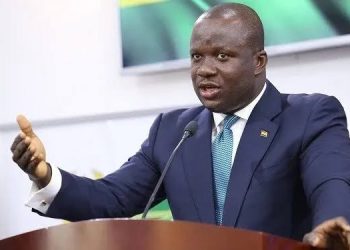
Africa must reposition itself as a destination for investment rather than continued dependence on external aid, Deputy Finance Minister Thomas Nyarko Ampem has said, calling for deeper reforms in financial markets to unlock long-term capital for development.
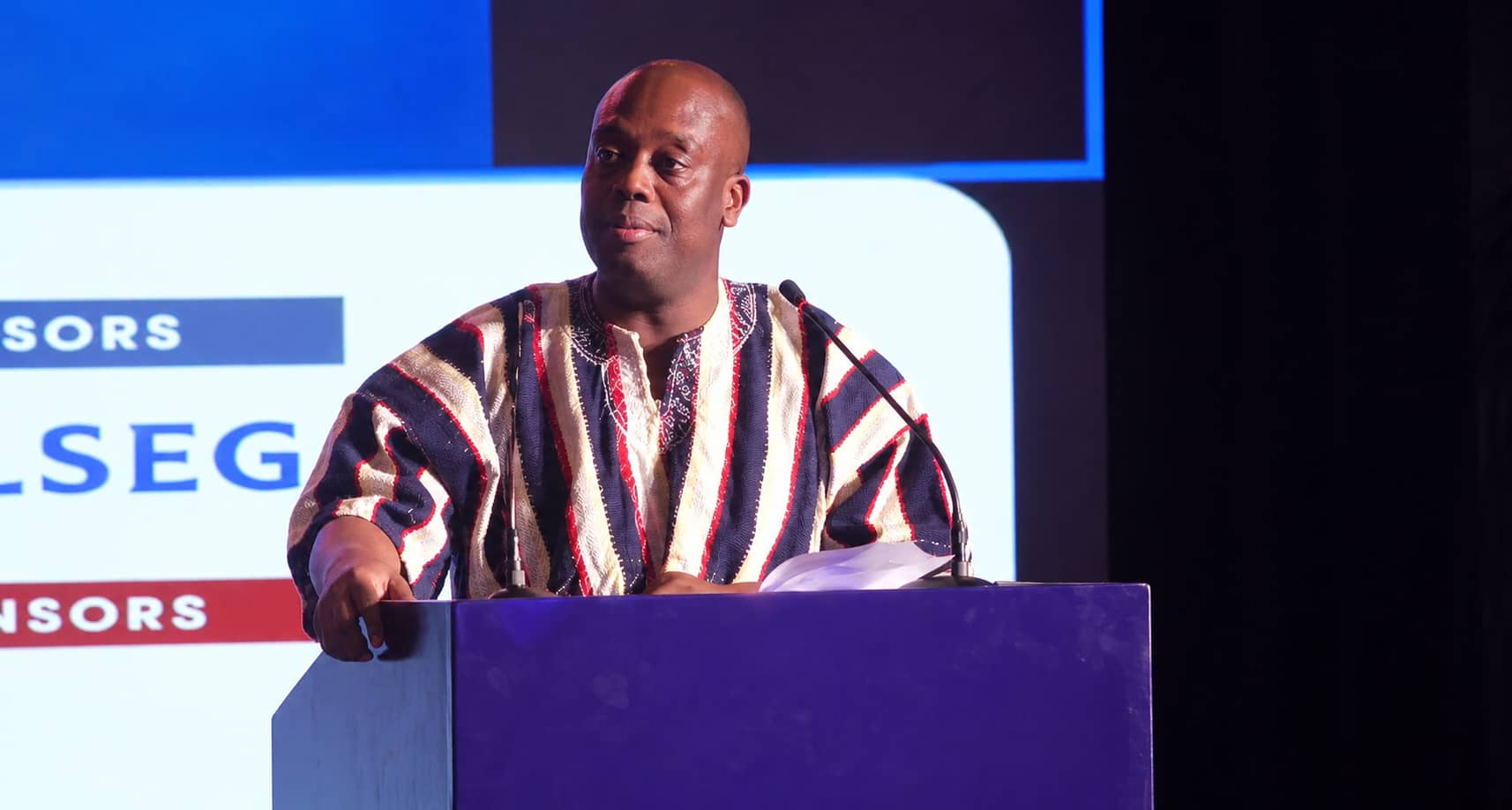
Speaking at the ACI-FMA World Congress 2026 in Accra, on behalf of Finance Minister Cassiel Ato Forson, Mr Nyarko Ampem said Africa’s development trajectory will increasingly depend on its ability to attract and mobilise private investment at scale, rather than rely on aid flows that have historically shaped parts of the continent’s development financing.
He noted that while Africa remains one of the fastest-growing regions in terms of population and digital adoption, it continues to receive a disproportionately small share of global capital flows. This, he said, must change if the continent is to meet its infrastructure and industrialisation needs.
“Africa must no longer be viewed merely as a destination for aid but as a destination for investment,” he said.
The Deputy Minister highlighted the continent’s infrastructure financing gap, estimated by the African Development Bank at between US$68 billion and US$108 billion annually, describing it as too large to be addressed by governments alone.
He argued that bridging this gap would require the development of deeper and more sophisticated financial systems capable of mobilising long-term capital, including stronger domestic bond markets, blended finance structures, venture capital, private equity, and sustainable finance instruments.
According to him, the future of Africa’s growth depends not only on the availability of capital but also on the credibility and resilience of its financial institutions. He stressed that investor confidence is closely tied to macroeconomic stability, policy consistency, and strong regulatory frameworks.
The Deputy Minister said Africa’s demographic profile, rapid urbanisation, and expanding digital economy present significant opportunities for investment-led growth. However, he cautioned that these advantages can only be fully realised if financial systems are capable of efficiently channelling savings into productive sectors.
He further called for stronger regional financial integration to support cross-border investment flows and improve access to capital for businesses operating across the continent.
Mr Nyarko Ampem also pointed to the growing role of African cities such as Accra, Lagos, Nairobi, Kigali, and Lusaka in shaping the continent’s economic future, arguing that global finance is gradually becoming more decentralised.
“The future of global finance will not be shaped only in traditional financial centres. Increasingly, it will also be shaped in a rising and more connected Africa,” he said.
His remarks come amid renewed policy discussions across Africa on how to reduce dependency on external financing and build more self-sustaining economic systems driven by private capital, innovation, and industrial expansion.
He said achieving this shift will require coordinated efforts by governments, regulators, and the private sector to strengthen financial markets and improve investment conditions across the continent.
Mr Nyarko Ampem added that Africa’s transformation will depend on bold reforms that enhance competitiveness, deepen markets, and build trust in institutions capable of supporting long-term development goals.