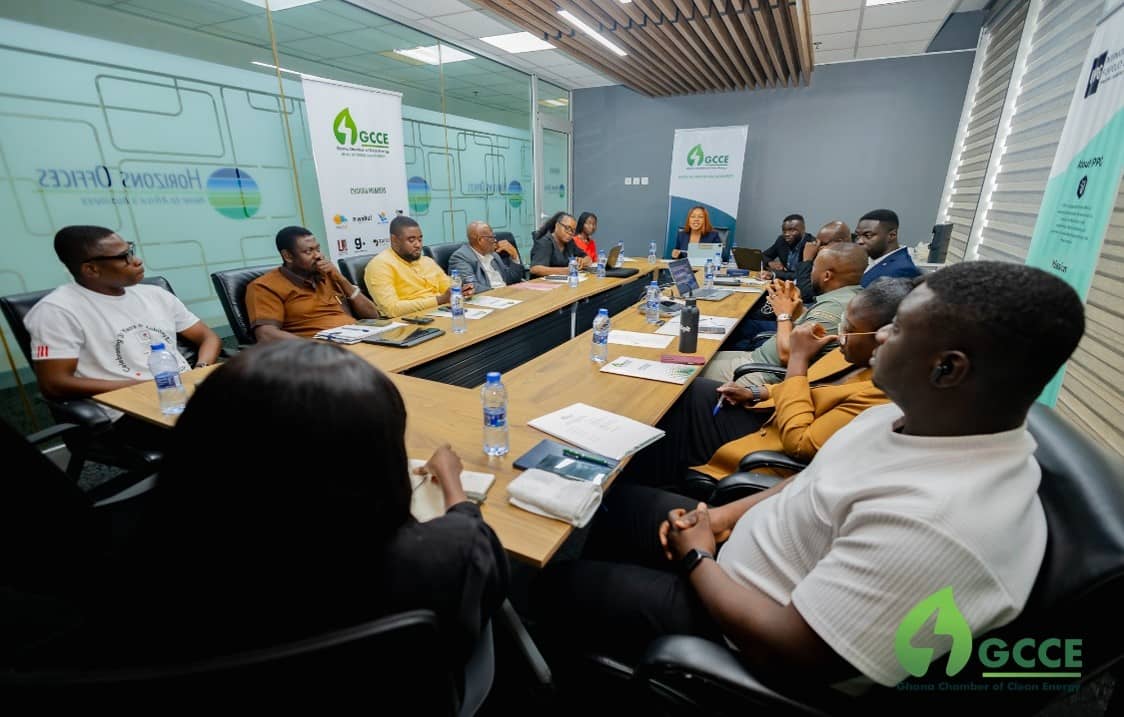
The Ghana Chamber of Clean Energy (GCCE) has established an Electric Vehicle (EV) Working Group to develop a coordinated industry position on reforms to Ghana’s electric vehicle import regime.
The inaugural meeting, held on July 9, 2026, brought together companies and stakeholders across the electric mobility value chain to advocate for policy reforms aimed at making electric vehicles more affordable while supporting the growth of Ghana’s emerging EV industry.
The Working Group includes representatives from EcoDrive, Solar Taxi, Grace Mobility, Leasafric Ghana, Uber, the Importers and Exporters Association and other stakeholders, including EV assemblers, importers, technology providers and industry associations.
The Chamber said the initiative was prompted by concerns over high import duties and the limited implementation of announced fiscal incentives, which it said continue to affect the affordability and growth of the electric mobility market.
According to the GCCE, while individual companies have previously engaged the government on the challenges facing the sector, the industry has lacked a unified platform to develop and advance a common position on policy and fiscal reforms.
Speaking after the meeting, GCCE Lead for the Working Group, Emmanuella Biney, said the group would provide an opportunity for industry players to engage government collectively on measures to promote electric mobility.
“Ghana has made important progress in setting the policy direction for electric mobility, and we’re seeing more companies investing in the sector. But for many businesses and consumers, the cost of electric vehicles is still too high.”
The Working Group has identified three priority areas for its policy recommendations and engagement with government.
First, it will develop evidence-based proposals for reforming the EV import duty framework to improve affordability while ensuring that any changes remain fiscally responsible.
Second, it will recommend policies to support Ghana’s growing EV assembly and manufacturing industry, with the aim of ensuring that import duty reforms complement rather than undermine local industrial development and investment.
Third, the group will seek to establish a coordinated industry position to guide engagement with government on electric mobility policies and fiscal incentives.
Ms. Biney said the Chamber’s objective extends beyond reducing import duties and includes strengthening the wider electric mobility ecosystem.
“Our objective is not only to advocate for lower import duties. We want to work with government to design reforms that improve access to electric vehicles include two-and three-wheelers, strengthen local assembly and manufacturing, and build an electric mobility ecosystem that delivers cleaner air, creates quality jobs, and supports Ghana’s long-term socio-economic growth.”
The Chamber said effective policy reform would require close collaboration between government and industry as Ghana seeks to expand electric mobility.
Following the inaugural meeting, the Working Group is expected to continue technical discussions before beginning direct engagement with the Ministry of Finance, Ministry of Transport, Ghana Revenue Authority and other relevant government institutions and development partners.
The GCCE said it remained committed to supporting policies that create a competitive environment for clean energy investment and innovation in Ghana.
It also invited other industry stakeholders interested in contributing to the initiative to contact the GCCE Secretariat.