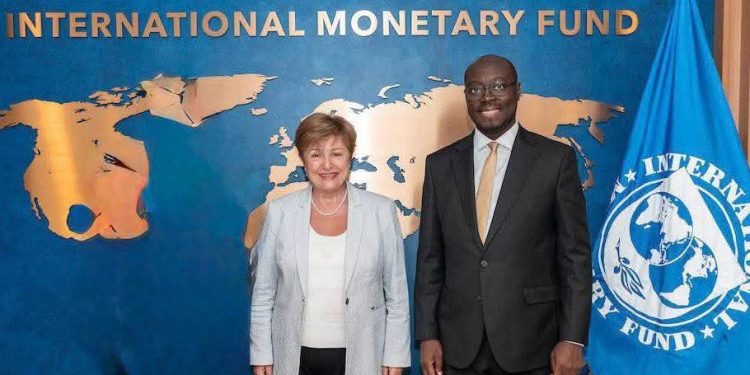
The Government of Ghana has formally announced the successful conclusion of its Extended Credit Facility (ECF) programme with the International Monetary Fund (IMF), marking what officials describe as a major turning point in the country’s recent economic recovery and reform journey.
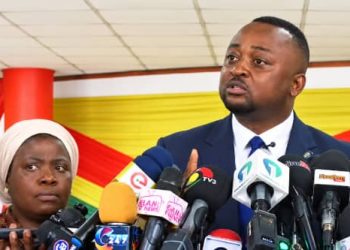
In a statement issued by the Presidency Communications and signed by Government Communications Minister and Presidential Spokesperson Felix Kwakye Ofosu, the administration confirmed that Ghana has now transitioned from the IMF’s financial bailout arrangement to a Non-Financing Technical Assistance Policy Coordination Instrument (PCI), signalling the end of a years-long external support programme.
According to the statement, the conclusion of the ECF programme represents the restoration of macroeconomic stability and debt sustainability “well ahead of the original timeline,” following a period of significant fiscal and structural adjustment.
The government noted that the programme had experienced a setback towards the end of 2024 but was subsequently recalibrated in 2025 through what it described as “decisive corrective measures” under the administration of President John Dramani Mahama.
These included frontloaded fiscal consolidation, expenditure rationalisation, and wide-ranging structural reforms aimed at restoring confidence in the economy.
Authorities say these interventions have produced measurable improvements across key economic indicators. Inflation has reportedly declined significantly, while the Ghana cedi has strengthened against major international currencies.
Public debt as a share of GDP has also fallen sharply, and economic growth has rebounded on the back of improved fiscal discipline and renewed investor confidence.
One of the standout achievements highlighted in the statement is Ghana’s improved sovereign credit rating. The country has reportedly moved from restricted default (junk status) to a “B” rating with a positive outlook—an upgrade spanning five distinct rating levels.
Government officials attribute this to stronger fiscal performance, normalised creditor relations, improved external buffers, and renewed confidence from global markets.
The statement further revealed that Ghana’s gross international reserves have risen to an all-time high of approximately US$14.5 billion as of February 2026, representing nearly six months of import cover. This, the government argues, provides a critical buffer against external shocks and strengthens the country’s ability to manage volatility in global markets.
With the IMF programme now concluded, Ghana’s engagement will continue under the Policy Coordination Instrument (PCI). The PCI is a non-financing arrangement that provides technical assistance and policy oversight rather than direct financial support. It is designed to help countries implement reforms, signal policy credibility, and unlock private sector financing and development partner support.
Government officials emphasised that while the PCI does not provide bailout funds, it will support capacity building, strengthen market confidence, and serve as a catalyst for attracting investment. The ultimate goal, according to the statement, is to support Ghana’s aspiration to achieve investment-grade status, which would significantly lower borrowing costs and expand access to long-term international capital.
“The PCI will complement government efforts to accelerate sustainable development, create jobs, and raise living standards for all Ghanaians,” the statement noted.
The government also expressed gratitude to bilateral creditors, the Official Creditor Committee (OCC), domestic investors, and international partners for their support throughout the restructuring and reform process. It reaffirmed its commitment to prudent economic management, fiscal discipline, and governance reforms aimed at sustaining the gains achieved.
President Mahama’s administration, the statement added, remains focused on building an economy that is resilient, competitive, and attractive to both domestic and foreign investors.