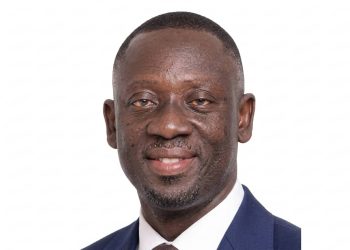
Ghana’s ballooning public debt remains one of the most persistent drivers of its repeated economic crises, according to Professor Godfred Alu Bokpin, a finance professor at the University of Ghana Business School (UGBS).
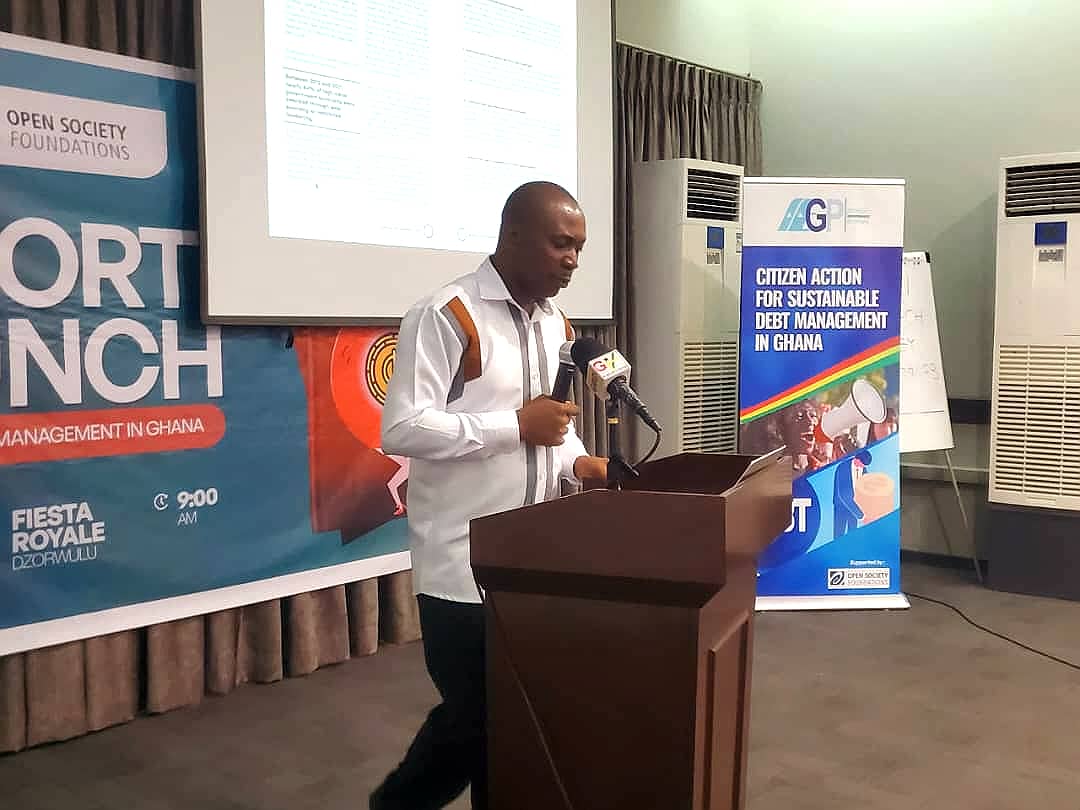
Speaking at the launch of the “Sustainable Debt Management” report by the Economic Governance Platform in collaboration with the Open Society Foundations, Prof. Bokpin attributed the country’s recurring recourse to the International Monetary Fund (IMF) and the World Bank to long-standing issues of imprudent debt management.
Tracing Ghana’s economic troubles as far back as 1965, Prof. Bokpin remarked, “Our public debt has created more problems for us.”
He noted that ballooning debt has been at the heart of almost every major economic crisis Ghana has endured, most recently leading the country into yet another IMF-supported program.
According to him, this pattern is symptomatic of Ghana’s weak fiscal regime characterised by low domestic revenue generation and uncontrolled expenditure.
Although borrowing in itself is not inherently problematic, Prof. Bokpin criticised the country’s approach to debt utilisation. He observed that loans are often not channelled into productive sectors of the economy capable of generating future returns to sustain repayments. This inefficiency, he warned, compromises Ghana’s ability to manage its debts, setting the stage for future crises.
Referencing the recent debt restructuring exercise, Prof. Bokpin lamented that the government’s over-reliance on foreign debt restructuring eventually compelled it to impose “haircuts” on domestic investors—an action he described as unavoidable given the unsustainable debt levels at the end of 2022.
He attributed this situation to Ghana’s lax institutional framework for debt accountability and a troubling lack of transparency in debt reporting.
He pointed out that Ghana’s public debt figures have often been manipulated along political lines, with critical liabilities concealed within the accounts of state enterprises such as COCOBOD and ECG. This lack of comprehensive reporting, he argued, has led to an environment where debts are hidden from the public eye until they inevitably impact the national budget.
“The lack of consensus on the actual amount of debt and the surrounding transparency issues was a problem for us,” Prof. Bokpin stressed.
He called for a renewed focus not just on generating more domestic revenue but on addressing inefficiencies and corruption within public expenditure management, particularly in state-owned enterprises, where inflated procurement and mismanagement have historically burdened the taxpayer.
Prof. Bokpin warned that Ghana’s current trajectory marked by inefficient expenditure and weak institutional oversight leaves little fiscal space for investments in growth-enhancing infrastructure. He highlighted the alarming fact that approximately GH¢33 billion is routinely allocated to a budget item labelled “other expenditure,” much of which is to absorb inefficiencies and losses from poorly managed public entities.
In his view, Ghana’s efforts to reform its fiscal governance through measures like the establishment of an Independent Fiscal Council and amendments to the Fiscal Responsibility Act, while commendable, would not yield results without a cultural shift towards integrity and compliance.
“The law alone does not bring results. No country has developed solely on the basis of just laws,” he noted.
Drawing comparisons with nations like Singapore, Malaysia, and South Korea, Prof. Bokpin argued that these countries progressed because they prioritised efficiency in public resource management, unlike Ghana, where governance structures remain bloated and inefficient.
He cited the stark contrast in government sizes, pointing out that while Ghana operates with over 25 ministers, these nations function effectively with significantly fewer.
He emphasized that development is a matter of intentionality, stressing that “Every country that developed, they developed because they were intentional.”
“And if you are intentional about development, you’ll be more efficient with how you spend public resources,” he added.
According to Abdul Karim Mohammed, Coordinator of EGP, the report provides pragmatic recommendations aimed at breaking the country’s cycle of debt-induced crises.
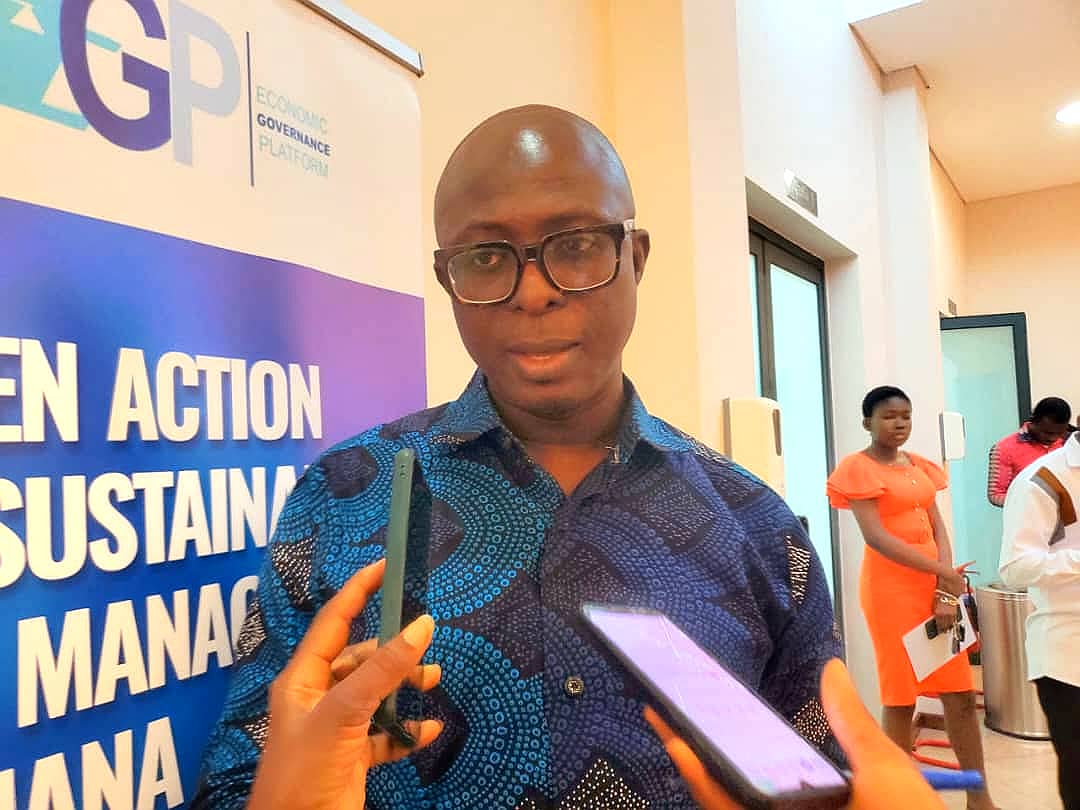
He stressed that engagements are already underway with key institutions, including Parliament’s Finance and Budget Committees, the Ministry of Finance’s Debt Management Unit, and the Bank of Ghana, to ensure these proposals translate into action.
Most importantly, he said, efforts are being made to involve citizens in the discourse, noting that the report was deliberately written in simple, accessible language.
“We want to engage the citizens to appreciate the issues and court their support and voices in this whole conversation so that we don’t leave the issues to only the technical people and politicians,” he said.
Planned public engagements include the innovative “Debt Café” in Kumasi and a series of X (formerly Twitter) Space discussions focused on various aspects of debt management.
These efforts, he said, aim to empower Ghanaians with knowledge and encourage collective responsibility in shaping sound public financial management policies.