
The Paradigm Initiative, in partnership with Targeted Rights Initiative, has organised the Ghana Digital Rights Academy in Accra to strengthen awareness and capacity on digital rights, cybersecurity and online safety.
The two-day event, held on June 9 and 10 at The Palms by Eagles Hotel on Airport Road, brought together journalists, law enforcement officers, digital rights advocates and experts to discuss issues relating to digital rights, online freedoms, data protection and responsible digital engagement.
Speaking after the workshop, Research Lead at Paradigm Initiative, Sani Suleiman, said the academy was designed to expose investigators, prosecutors and media practitioners to emerging digital rights challenges across the continent.
“The whole idea behind the academy is to expose these key stakeholders to the issues of digital rights violations, connectivity issues, inclusion issues and so on and so forth,” he said.

He noted that the curriculum was intentionally developed to provide participants with a deeper understanding of digital rights issues and their policy implications in Africa.
Mr Suleiman said findings from the organisation’s annual Londa report, which covers 29 African countries, were also unveiled during the programme.

“This year we ranked the countries against the ACHPR framework, which is the African Commission on Human and People’s Rights framework, that has 12 indicators,” he said.
“The good news is that Ghana came second among the 29 countries, just a few points below South Africa, which came first.”
According to him, Paradigm Initiative has developed a number of tools aimed at protecting digital rights and supporting victims of online abuses.
Among them is Reporting, a platform through which individuals can report digital rights violations for verification and possible legal action.
“If it means going to litigate on your behalf, we will litigate on your behalf just to ensure that everybody is protected,” he stated.

He also highlighted IATA, a digital security toolkit designed to provide guidance on protecting sensitive information, particularly for journalists and law enforcement personnel.
Another platform, DROL — Digital Rights on Demand Learning — offers online courses on digital rights and digital inclusion.
Executive Director of Targeted Rights Initiative, Doreen Raheena Sulleyman, drew attention to the growing problem of technology-facilitated gender-based violence (TFGBV), which she said affects women, children and vulnerable groups.
 She explained that cyberbullying, cyberstalking, image-based abuse, sextortion and the non-consensual sharing of intimate images are among the common forms of online abuse.
“The whole purpose of this training was to let the law enforcers and the journalists know some of the challenges emerging on the digital platforms now, and how we can collectively come together to help cap this issue,” she said.
Ms Sulleyman emphasised the importance of supporting survivors of online abuse.
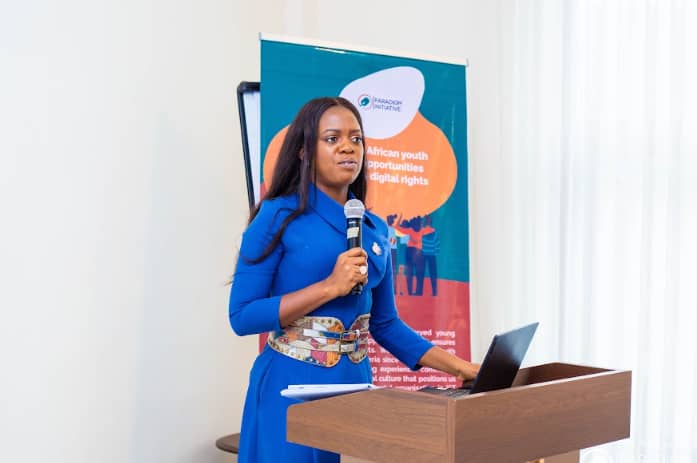
“I call them survivors, I don’t call them victims, because what somebody goes through, when someone goes through an abuse, the trauma they go through, some do not come out to say, some also say it for people to know,” she said.
“If you’re a TFGBV survivor, or a cyber-bullying survivor, online abuse survivor, I’m here to tell you that, one, it is not your fault, and two, seek help.”
She said Targeted Rights Initiative works with counsellors, legal practitioners and law enforcement officers to investigate reported cases and pursue justice for survivors.
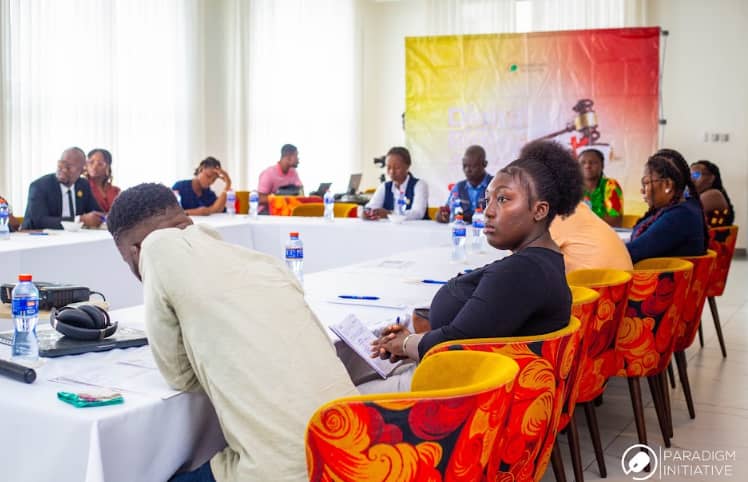
Ms Sulleyman also encouraged members of the public experiencing online abuse to seek assistance from the Cyber Security Authority through its toll-free emergency line.
“You can contact Targeted Rights Initiative, and you can also contact the Cyber Security Authority to help you,” she said.
The organisers expressed hope that the academy would strengthen digital rights awareness and promote safer and more inclusive online spaces in Ghana and across Africa.