Nearly two million young people aged 15 to 35 in Ghana were not working, in education or receiving training in 2025, with women accounting for more than six in 10 of those affected, according to the Ghana Statistical Service (GSS).
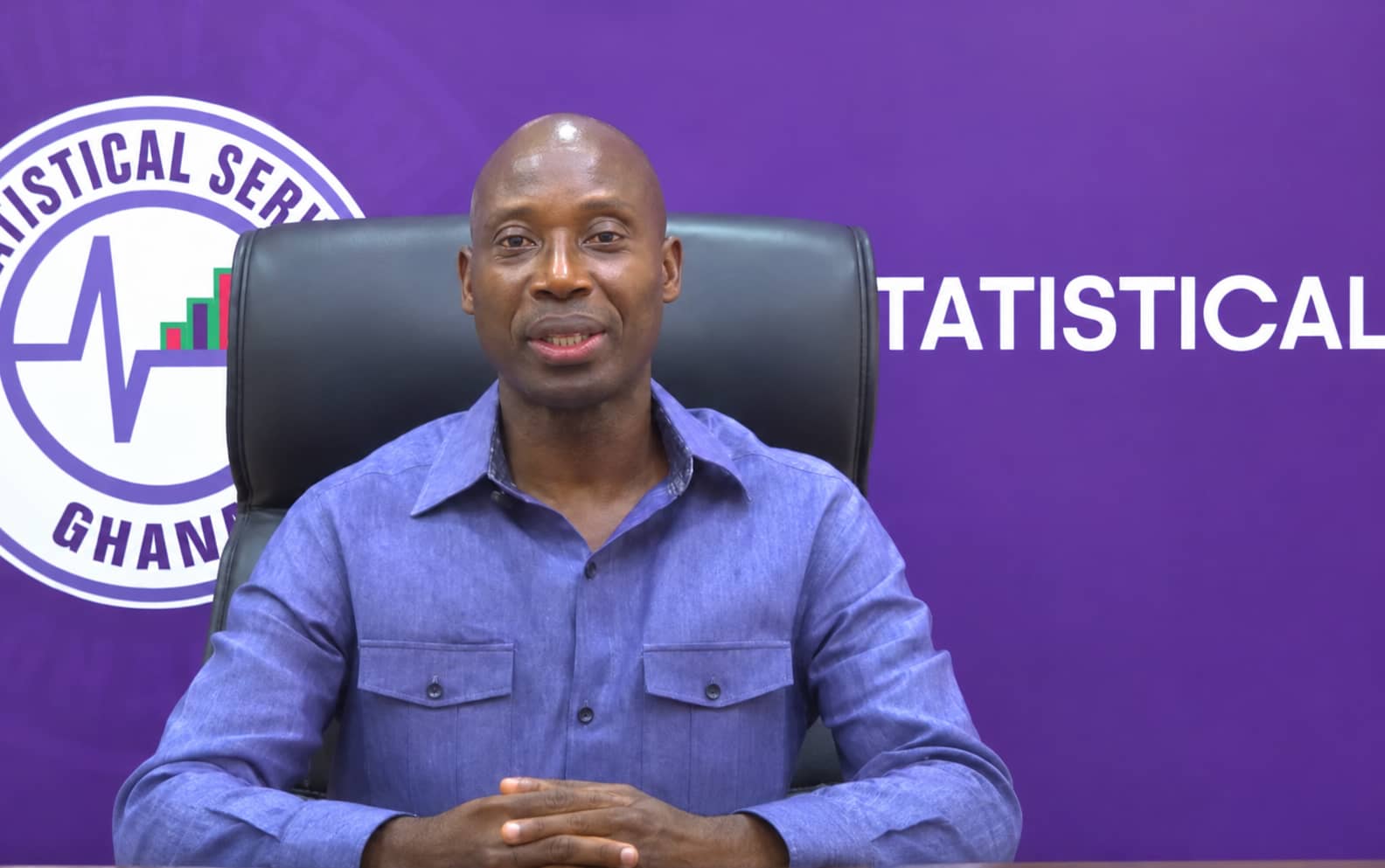
The figures were contained in the 2025 edition of Ghana in Numbers, presented by Government Statistician Dr Alhassan Iddrisu, which highlighted persistent challenges in youth employment despite an improvement in the country’s unemployment rate.
According to the report, Ghana’s unemployment rate declined from 14.6% in 2023 to 12.8% in 2025. However, more than 70% of jobs remained informal, raising concerns about the availability of stable and secure employment opportunities.
The findings point to a continuing gap between the country’s economic growth and the ability of young people to access employment, education and skills development opportunities.
Ghana’s economy grew by 6% in real terms in 2025, reaching GH¢1.4 trillion, but the GSS’s figures indicate that the benefits of economic activity have not translated into sufficient opportunities for all segments of the population.
The report also showed that the country had 2.64 million business establishments in 2024, following its first comprehensive business census.
Although the number of businesses and buildings had nearly tripled since 2014, the jobs they provided had only doubled. Nine in 10 establishments employed between one and five people, while only 7.7% were formally registered.
These figures highlight the challenges businesses face in expanding their operations and generating employment on a scale that can absorb the growing labour force.
The dominance of informal employment also raises questions about job security, access to social protection and opportunities for workers to develop their skills.
Women appear particularly affected by the challenges identified in the report. In addition to accounting for more than six in 10 young people not in employment, education or training, women owned 84% of open-space businesses and managed 56.3% of business establishments.
While these figures demonstrate women’s participation in economic activity, the report also points to the importance of expanding access to productive employment and opportunities for young women.
Presenting the publication, Dr Iddrisu said the statistics showed where Ghana was making progress, who was being left behind and where further action was needed.
He urged the government to use the data to guide budgets and programmes, while district assemblies were encouraged to rely on local evidence when addressing community-specific challenges.
He also called on businesses to use the statistics to create jobs, develop skills and add value, stressing the importance of linking data to practical decisions that improve people’s lives.