The Bank of Ghana (BoG) is developing a Stablecoin Directive to establish clear regulatory requirements for stablecoin activities in Ghana as part of efforts to promote responsible innovation in the country’s emerging virtual asset market.
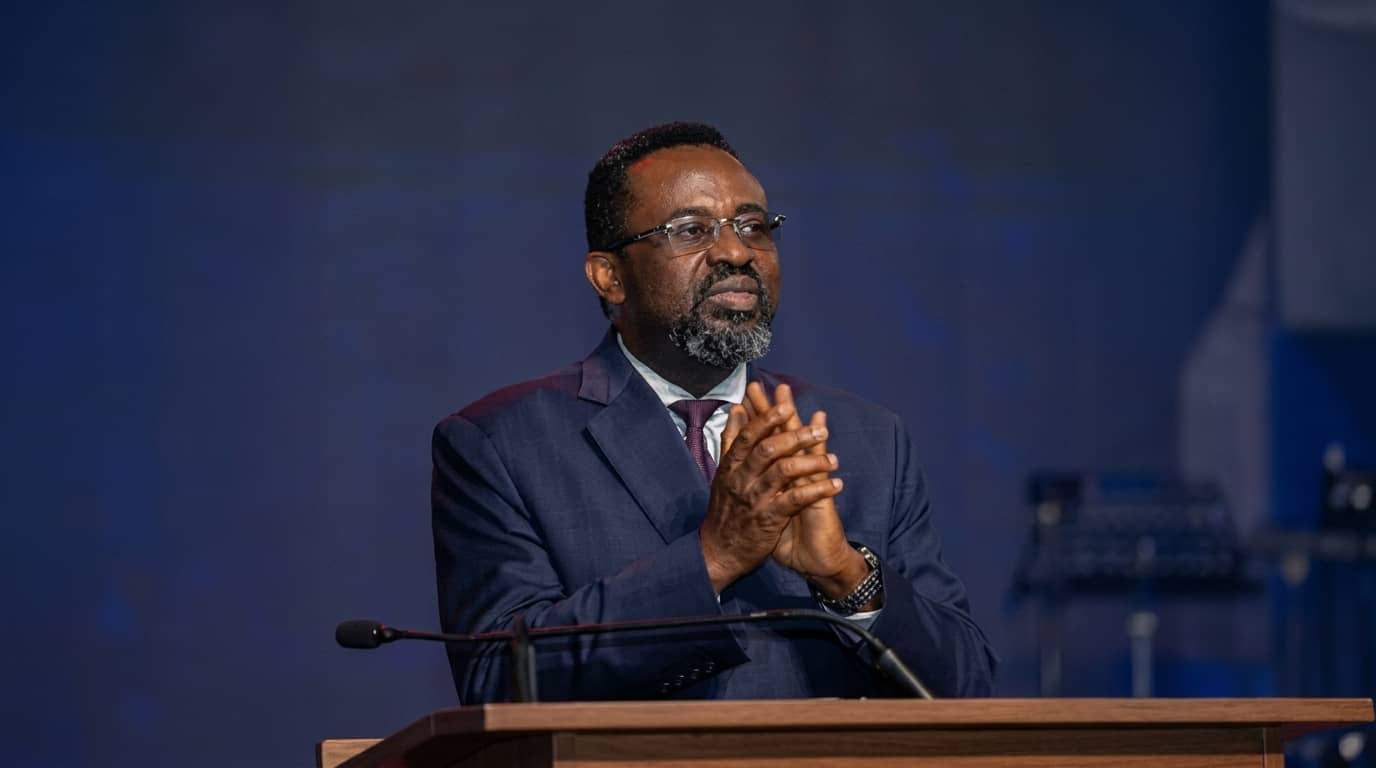
Governor of the Bank of Ghana, Dr Johnson Pandit Asiama, announced this at the Africa Virtual Assets Summit (AVAS) 2026 held at the Kempinski Hotel Gold Coast City in Accra on Monday, November 2.
He said the directive would provide clarity on permitted stablecoin activities while ensuring that developments in digital finance do not undermine monetary and financial stability.
Dr Asiama disclosed that the central bank was working closely with the Securities and Exchange Commission (SEC) and the Financial Intelligence Centre (FIC) to develop the necessary regulatory instruments and supervisory arrangements.
Speaking on the theme, “Virtual Assets and the Future of Ghana’s Financial System: Innovation, Stability and Trust,” he said virtual assets and tokenisation offered opportunities to address longstanding challenges in Africa’s financial markets, including limited access to capital, high transaction costs and barriers to cross-border payments.
He cited Ghana’s growing digital financial services sector, noting that mobile money platforms processed more than one billion transactions valued at approximately GH¢519 billion in August 2026 alone.
According to him, virtual asset infrastructure could make diaspora remittances faster and cheaper, while improving payment and settlement systems for cross-border trade under the African Continental Free Trade Area (AfCFTA).
He also highlighted the potential of tokenisation to expand financing opportunities by representing ownership rights in assets such as securities, commodities and trade receivables in digital form.
“This could allow a small exporter to obtain financing earlier and at lower cost, reduce settlement times from days to minutes, and give smaller enterprises new channels for raising capital,” he said.
However, Dr Asiama cautioned that the growing adoption of stablecoins, particularly those denominated in foreign currencies, could have implications for monetary sovereignty, currency substitution, capital flows and the effectiveness of monetary policy.
He stressed that innovation in digital finance must support rather than undermine confidence in the Ghana cedi and the stability of the financial system.
“This does not call for heavy-handed regulation. Not all virtual asset activities present the same risks, and our approach must reflect their nature, scale and complexity,” he stated.
He added that consumer and investor protection, safeguarding customer assets and maintaining financial integrity were essential to building trust in the virtual asset ecosystem.
On the regulatory front, the Governor described the passage of the Virtual Asset Service Providers Act, 2025 (Act 1154), as a significant milestone in establishing a dedicated legal framework for virtual asset activities in Ghana.
The legislation provides for coordinated regulation by the Bank of Ghana and the SEC.
He, however, said the effectiveness of the framework would depend on translating the legislation into credible and enforceable regulations that provide certainty for businesses and investors.
“The real test will be translating the law into a credible and enforceable framework that gives responsible firms and investors the certainty they need to build and invest with confidence,” he said.
Dr Asiama also identified the inauguration of the Virtual Assets Coordinating Committee as an important step towards strengthening cooperation among relevant public institutions.
He said Ghana’s ambition should be to develop a financial ecosystem that is inclusive, efficient and resilient.
“Our collective task is not simply to build a digital asset market. It is to build an ecosystem that is safe enough to be trusted, inclusive enough to serve our people, and innovative enough to support Africa’s future,” he said.