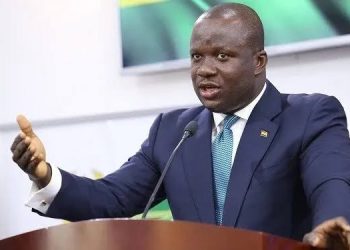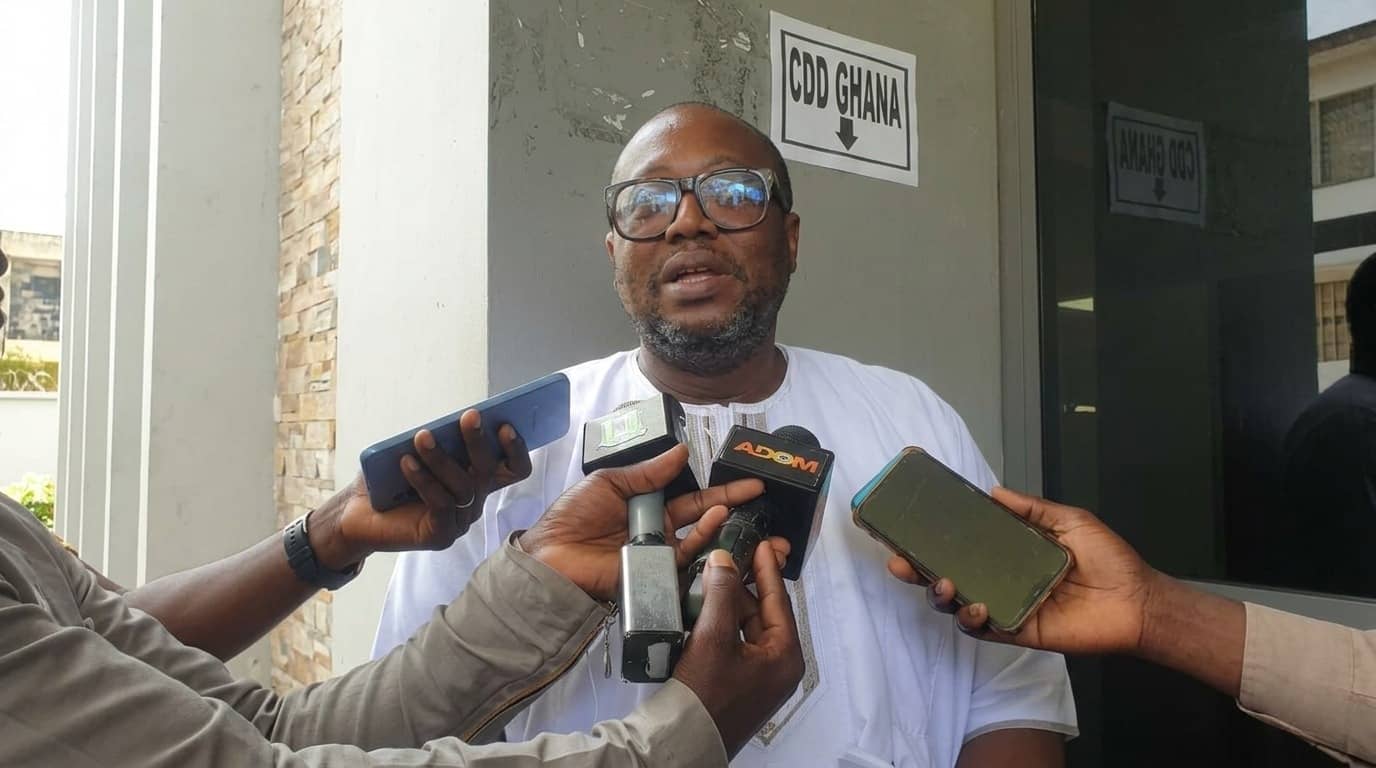
The Director of Policy Engagement and Partnerships at the Center for Democratic Development, Dr. Kojo Pumpuni Asante, has recommended that the Office of the Special Prosecutor (OSP) should not be tampered with, as suggested by some Ghanaians, but rather merged with the Commission on Human Rights and Administrative Justice.
According to him, such a merger would provide the legal backing needed for the office to effectively carry out its mandate without political interference or perceived vindictiveness.
He made this known in an interview with the media on Tuesday, March 31, 2026, at the Fiesta Royale Hotel during a national dialogue on the Office of the Special Prosecutor, which sought to assess the institution’s performance over the past eight years.
“What we seek to do today is to assess the eight years of the OSP’s existence—whether it has lived up to its mandate, the challenges affecting its operations, and the reforms required to ensure it functions effectively,” he stated.
Dr. Pumpuni explained that the creation of the OSP was necessitated by structural limitations within the office of the Attorney-General and Minister for Justice.
“The Attorney-General and Minister for Justice is mandated to prosecute people from the political class who engage in illegal activities. However, the minister may be unable to do so effectively because he or she cannot investigate and possibly prosecute individuals he sits in Cabinet with, hence the need for an independent body,” he explained.
He further referenced past governance challenges to support the need for an independent prosecutorial body.
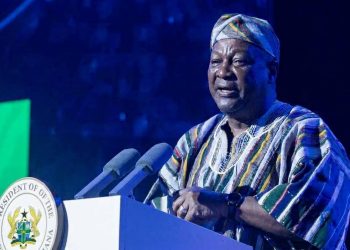
“You would recall that during former President John Dramani Mahama’s tenure, several scandals emerged which the Attorney-General could not independently probe and prosecute. This necessitated the creation of a specialised and independent body to handle such cases,” he said.
Dr. Pumpuni noted that the Office of the Special Prosecutor was subsequently established during the tenure of former President Nana Addo Dankwa Akufo-Addo to address corruption-related offences, particularly those involving public officials.
He observed that the office has since faced persistent challenges and public scrutiny.
“Since the office was established, it has suffered considerable backlash, with its first head, Martin Amidu, resigning over political interference. His successor, Kissi Agyebeng, has faced similar challenges,” he added.
The CDD-Ghana official stressed that rather than scrapping the office, reforms such as a merger with CHRAJ should be considered to strengthen its independence and operational effectiveness.
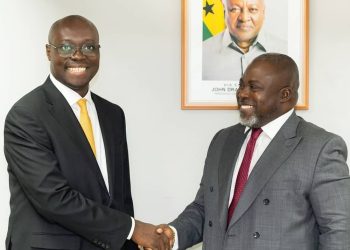
Mr. Martin Amidu served as the first Special Prosecutor but later resigned, citing interference in his work. He was succeeded by Mr. Kissi Agyebeng, who has also raised concerns about attempts to undermine the office.
“Had it not been the good naturedness of the President, the Office would have been scrapped by December 2024. Ask yourself why? It is because politicians don’t want us around; it is that simple. And why do they now want us around? Because we are bad news for politicians, and that is why civil society should keep it afloat,” Mr. Agyebeng stated whiles contributing to the discussions.
He further warned that efforts to abolish the Office of the Special Prosecutor may still be ongoing.
“The attempt to scrap the office last year is not dead. That is the charge I am giving to civil society. It is live. We should not depend on the goodwill of a President to withdraw such actions. Rather, we should build this institution for the ages — an institution which will withstand the test of time,” he added.