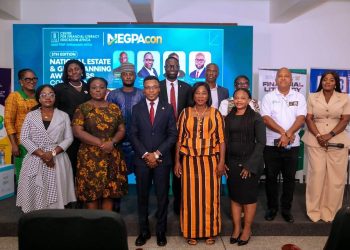
Ghanaians have been urged to prioritise estate planning and the proper documentation of assets to prevent inheritance disputes, protect family wealth and ensure that properties accumulated during a person’s lifetime benefit intended beneficiaries.
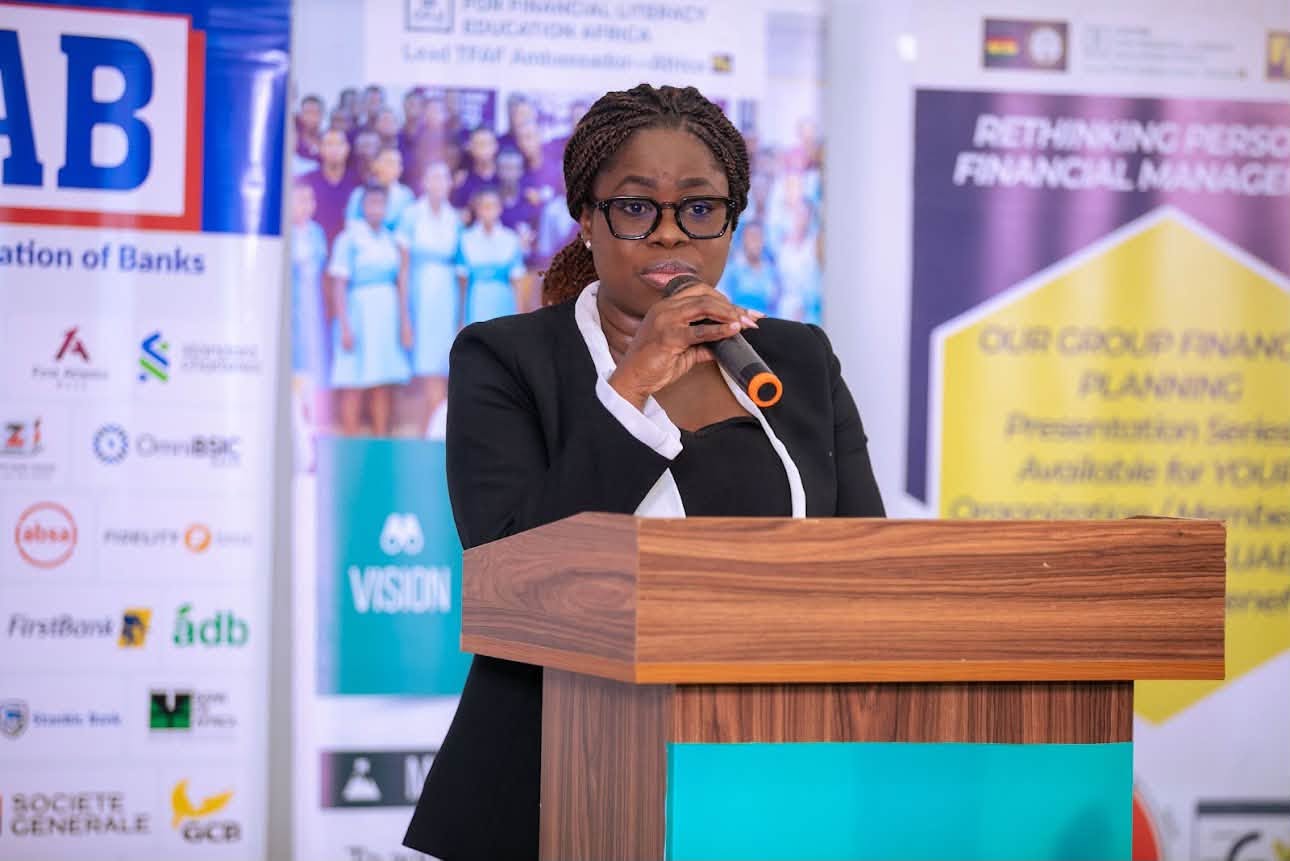
Mrs Frieda Aniwaah Boateng Esq., a governing board member of the Legal Aid Commission, said wealth creation must be accompanied by deliberate measures to preserve assets and establish clear arrangements for their transfer to future generations.
She made the call while delivering an address on behalf of Ghana Bar Association President Mrs Efua Ghartey Esq. at the fifth edition of the National Estate and Gift Planning Awareness Conference (NEGPAcon 2026), held at the University of Professional Studies, Accra (UPSA), on October 9.
The conference was held under the theme, “From Wealth Creation to Wealth Transfer: Preserving Intergenerational Wealth to Enhance Economic Development and Prosperity”.
Mrs Boateng said estate planning was essential not only to individual and family welfare but also to national economic development, as it helped protect accumulated assets and ensure their continued contribution to future generations.
She said the challenge extended beyond accumulating wealth to ensuring that assets were not lost, mismanaged or subjected to avoidable legal disputes when circumstances changed or ownership passed to another generation.
“The greater challenge is ensuring that what has been created is not unnecessarily lost, dissipated or subjected to avoidable legal disputes when circumstances change or when assets pass on to the next generation,” she said.
Mrs Boateng identified land, houses, businesses, shares, savings, investments and pensions as some of the assets Ghanaians needed to protect through proper planning and documentation.
She warned that property without adequate legal documentation could become difficult to establish or protect, while family businesses without appropriate governance and succession arrangements could struggle following the death of their founders.
Drawing on her more than 30 years of legal practice, she said poorly planned estates could generate disputes that expose private family matters to public scrutiny.
In her address, she identified gifts, wills, trusts and appropriate ownership structures as some of the legal mechanisms individuals could use to communicate their intentions and facilitate the orderly transfer of assets.
Mrs Boateng cited the Wills Act, 1971 (Act 360), and the Intestate Succession Law, 1985 (PNDCL 111), as part of Ghana’s legal framework governing estate distribution. She stressed that planning should begin during an individual’s productive years rather than be postponed until death was imminent.
She also cautioned against making lifetime gifts without carefully considering the recipients, noting that some beneficiaries could subsequently act against the interests of those who transferred property to them.
Chairman of the Centre for Financial Literacy Education Africa’s Advisory Board, John Awuah, also called for broader public education on estate planning, stressing that it was not restricted to wealthy individuals.
“You don’t have to be a wealthy person. You don’t need to have millions and several houses in order to plan your estate,” he said.
Mr Awuah, who is also Chief Executive Officer of the Ghana Association of Banks, said estate planning should include preparing beneficiaries to understand and sustain the vision behind inherited assets.
He encouraged banks, insurance companies, microfinance institutions and other financial service providers to use their customer engagement platforms to promote estate management and financial literacy.
Meanwhile, Executive Director of CFLE Africa, Peter Asare Nyarko, highlighted the gap between financial inclusion and financial literacy in Ghana, stressing the need to equip people with the knowledge to make informed financial decisions.
He said approximately 81 per cent of Ghanaians were financially included, compared with only 32 per cent who were financially literate.
“If you are giving people access to the financial industry and you are not teaching them to understand the products and services that are available within the industry, then you are doing them a great disservice,” he said.
Mr Nyarko said the Centre, established in 2018, was promoting financial education through strategic partnerships and operating in 12 African countries.
The conference forms part of CFLE Africa’s efforts to promote estate and gift planning awareness and encourage the responsible preservation and transfer of wealth across generations.