The government is preparing to roll out a nationwide waste management system built around new landfill sites, transfer stations, electronic payments, waste separation and improved collection infrastructure as part of efforts to address Ghana’s persistent sanitation challenges.
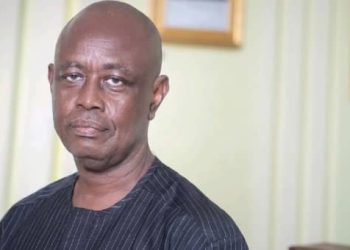
The Minister for Local Government, Chieftaincy and Religious Affairs, Mahama Ayariga, speaking during the government’s accountability series on Monday, said the government was working with the Ministry of Finance to establish a robust sanitation infrastructure that would reduce the cost and inconvenience of household waste collection.
He said the government was awaiting the full cost of constructing engineered landfill sites across all regional capitals, with three planned for Greater Accra and two each for Greater Kumasi and Sekondi-Takoradi.
The plan also includes the construction of waste transfer stations in metropolitan, municipal and district assemblies to reduce the distances waste collectors travel to dispose of refuse.
The minister said Greater Accra, in particular, urgently required additional infrastructure, noting that the region currently had inadequate landfill and transfer facilities despite its large population.
“Greater Accra, there is only one landfill site, which is at Kpone, and even that is in a horrible state. It deserves to be immediately decommissioned,” he said.
He said the ministry was therefore discussing financing for at least three landfill sites and 36 transfer stations in Greater Accra.
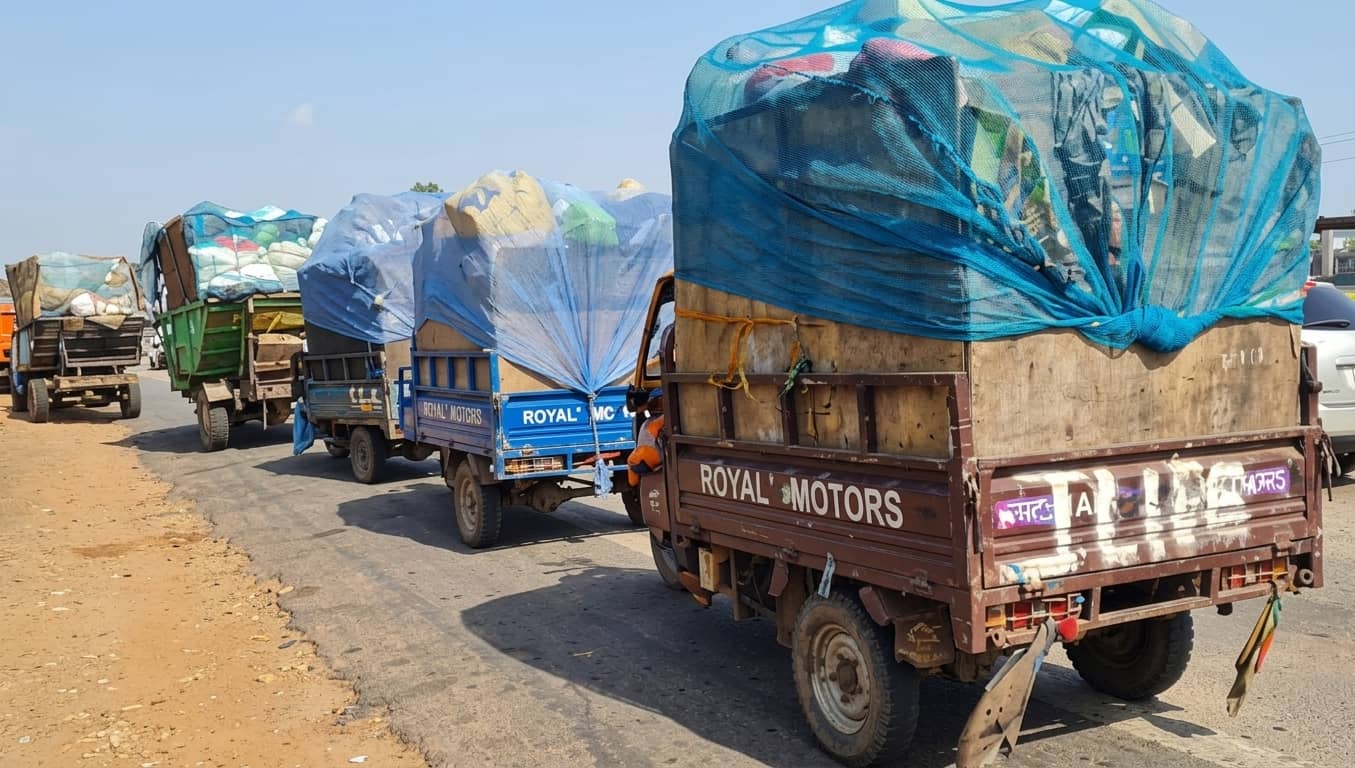
The proposed system will also involve the provision of waste bins for households, waste collection tricycles and compactor trucks, with the government initially financing the investment and subsequently recovering the cost through household payments and revenue from recyclable and energy-generating waste.
The minister said the government intended to introduce electronic payment mechanisms to eliminate cash transactions between households and waste collectors.
Under the proposed arrangement, waste collection would also largely take place at night, between 6 p.m. and 6 a.m., to reduce congestion caused by waste collection vehicles during the day.
Tricycles and compactor trucks provided under the programme would be fitted with tracking devices and monitored centrally to ensure operators remain within designated zones and comply with operating hours.
The government also plans to replace existing open-bucket tricycles with self-loading and self-tipping models, which the minister said would make the work safer and open opportunities for more women to participate in the sector.
“We hope to create not less than 20,000 permanent jobs in the waste management and circular economy,” he said.
Hon. Ayariga said waste separation would form an important part of the new system, allowing recyclable and other usable materials to be recovered before final disposal.
He also announced plans to explore incineration technology to reduce the volume of waste ultimately sent to landfill sites.
The minister expressed confidence that the government could significantly improve sanitation within a year if the necessary infrastructure and systems were implemented.
“I am hundred percent confident that President John Dramani Mahama will win the fight against waste in this country,” Hon. Ayariga asserted.
He added that metropolitan, municipal and district chief executives could face sanctions if poor waste management persisted after the government had addressed the structural challenges confronting the assemblies.
The minister said the government would also continue its institutionalised sanitation days as part of the broader national sanitation response.