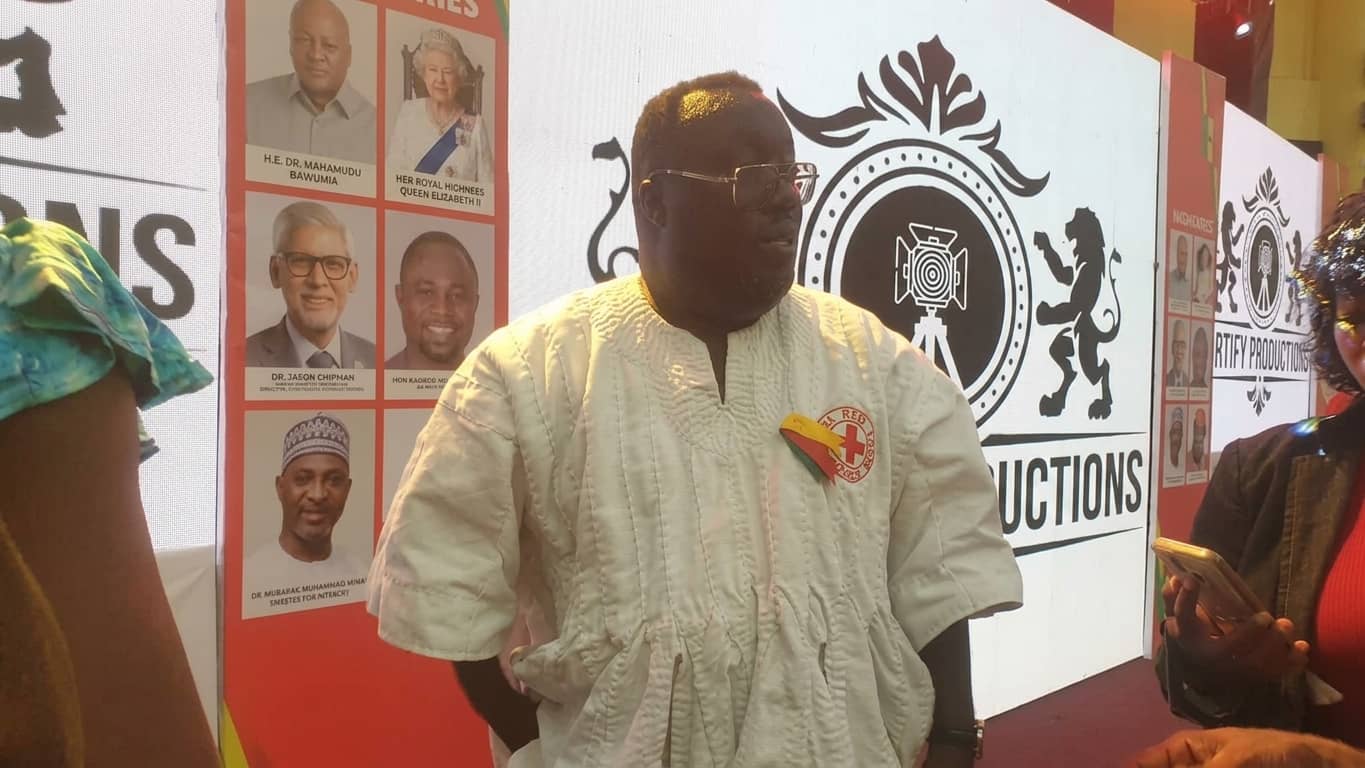
The President of the Ghana Red Cross Society, Dr. Edward Donkor, has appealed to Ghanaians and corporate organisations to support the humanitarian work of the society through financial and material contributions.
According to him, the organisation’s work continues to expand as it responds to emergencies and provides assistance to vulnerable persons across the country, making public support critical to sustaining its operations.
Dr. Donkor said the society offers humanitarian services without discrimination, stressing that beneficiaries are assisted regardless of their ethnic background, social status or financial condition.
“The work of the Red Cross is huge and human-centred, yet we are not paid. We do not consider where a patient comes from or how wealthy the person is. For us to continue thriving in what we do, we need the support of everyone,” he stated.
He urged well-meaning Ghanaians not to wait until the organisation faces financial challenges before offering assistance.
“Anyone who wishes to support the Red Cross can walk into our offices and contribute to the health desk or any other sector of the organisation. Do not wait for us to come knocking on your doors before you help,” he appealed.
Dr. Donkor made the remarks on Friday, May 8, during the 2026 World Red Cross Day celebration held at the Ghana College of Physicians and Surgeons in Accra.
The theme for the event was “United in Humanity.”
Speaking further, he explained the origins of the Red Cross movement, noting that the day was set aside globally to honour the founder of the humanitarian movement, whose efforts to care for wounded soldiers laid the foundation for the international Red Cross network.
He stated that the Red Cross movement has since grown into a global humanitarian organisation dedicated to saving lives and assisting people in distress, irrespective of their financial status.
Dr. Donkor added that Ghana formally recognised the society in 1958 through an Act of Parliament, after which the organisation has continued to play significant roles in humanitarian interventions across the country.
He cited the society’s response to major national disasters, including the Apiate explosion, cholera outbreaks, Mpox cases, the Mepe floods, and the Akosombo dam spillage disaster.
According to him, donations received from international partners and donors have consistently been channelled into relief operations and support for affected communities.
Dr. Donkor also disclosed plans by the society to establish a specialised humanitarian hospital in Accra within the next one to two years.
He explained that aside from providing healthcare services, the proposed facility would also train individuals in disaster preparedness and emergency response management.
He said Accra was selected for the first phase of the project because of its accessibility and strong support base among donors and partners, adding that there are plans to expand similar facilities to other regions in the future.